Electric Forklifts Available Near Your Facility: Key Pre-Purchase Checks Industrial Procurement and Engineering Teams Complete Before Buying
News 04/10/2026
When sourcing electric forklifts close to your facility, procurement and engineering teams must complete several critical checks before committing to a purchase. Local availability cuts delivery timelines and simplifies service, but skipping pre-purchase checks can lead to costly compatibility issues, unplanned downtime, or non-compliance with local rules. This guide outlines the core checks industry teams rely on to make sound purchasing decisions.
Assess Your Facility Power Infrastructure
Electric forklifts rely on on-site charging to maintain daily operations. Your existing power setup may not support the amperage or voltage requirements of new units, so this check comes first before reviewing available units from local sellers.
Check Charging Station Compatibility
Different electric forklift models use different voltage ratings, common values include 24V, 36V, and 48V. One example: high-capacity outdoor electric forklifts often require 80V charging setups. A qualified local electrician can inspect your existing panels and charging locations to confirm they match the requirements of any unit you consider.
Evaluate Available Space Charging Stations
You also need enough clear space near loading or storage areas to place charging stations. Many operations locate charging stations near facility exits to keep central work areas clear, but you must confirm dimensions fit your available footprint before purchasing.
Verify Local Dealer Support Capabilities
One major benefit purchasing from local sellers comes from access to immediate service and parts. Not all local dealers maintain the same level of support, so you need to confirm capabilities before buying.
Check Parts Inventory Turnaround
Unplanned downtime costs industrial operations thousands of dollars daily. Ask local sellers how quickly they can deliver common replacement parts, such as batteries, tires, or brake components. Dealers with on-site parts inventory can resolve most issues within 24 hours, while dealers that order parts from out-of-state suppliers may leave you waiting multiple days.
Confirm On-Site Service Availability
Ask if the dealer employs full-time, factory-trained service technicians based within 50 miles of your facility. Many local sellers include a set number of free preventive maintenance visits within your purchase agreement, so confirm these details during negotiations.
Test How Units Fit Your Daily Workflow
Local sellers can easily transport a demo unit to your facility for… No, local sellers can easily transport a demo unit to your facility to complete on-site testing, and you should always take advantage of this opportunity. Specs listed on a product page do not always match real-world performance within your unique layout.
Confirm Lift Height And Load Capacity Match Your Requirements
Measure the maximum height of your highest storage rack, and test the demo unit to confirm it can safely reach that height with your typical maximum load. Many buyers underestimate load capacity needs when they only account for… No, when they only count average load weight, rather than peak load weight your team handles regularly.
Evaluate Maneuverability Within Confined Spaces
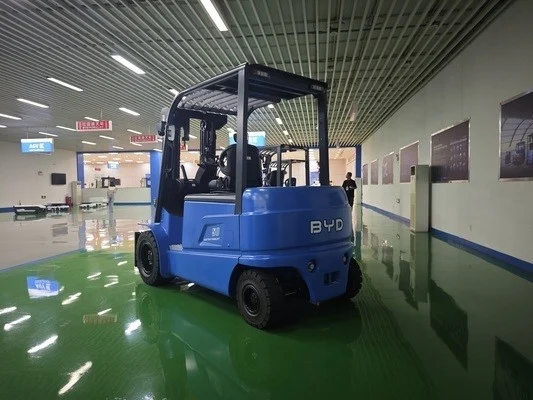
Test the demo unit through your narrowest aisles, around corners, and onto your standard loading docks. Counterbalance electric forklifts require more turning clearance than stand-up reach models, so a unit that works well in the dealer’s open lot may not function in your narrow-aisle warehouse.
Check Compliance With Local Safety Regulations
All industrial material handling equipment must meet local and national safety standards. Local dealers understand regional requirements, but you still need to verify documentation before completing your purchase. Most national standards, such as those set by OSHA in the United States, require specific safety features including overhead guards, seat belts, functional backup alarms, and brake systems that meet load rating requirements. Ask the seller to provide all safety inspection and certification documentation before you sign any purchase agreement. Some local jurisdictions also require registration of industrial forklifts, so confirm the seller will handle all required registration paperwork within your location.
Frequently Asked Questions
How do I find reliable sellers of electric forklifts near my facility?
Start with industry directories of licensed material handling equipment dealers. Filter results to include only suppliers that keep multiple electric forklift units on-site, and offer on-site evaluation services. Ask local peer operations for referrals to suppliers they use regularly.
What is the most common pre-purchase mistake new buyers make?
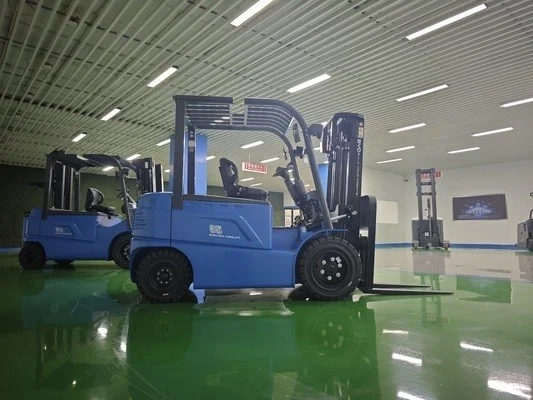
Most new buyers skip on-site testing of the unit within their own facility. A forklift that performs well in a dealer’s lot may not fit narrow aisles or work with your existing loading dock heights, leading to costly modifications after purchase.
Do I need new charging infrastructure every time I purchase a new electric forklift?
No. Many newer electric forklift models work with existing charging setups if voltage and amperage ratings match. Always have a qualified electrician inspect your current infrastructure before finalizing your purchase.
Can I negotiate pricing with local electric forklift sellers?
Most local sellers offer flexible pricing on bulk orders, and may include free installation or a discounted first service package to win your business. Ask about current promotions or off-lease units that meet your specifications to lower your upfront cost.
Final Next Steps Before Purchase
Once you complete all these checks, you can narrow your options to units that meet all your requirements. Start by requesting an on-site assessment from your top local seller, have your electrician review infrastructure compatibility, test the demo unit in your facility, and confirm all compliance and support details. This process eliminates most common post-purchase issues and helps you select an electric forklift that serves your operation reliably for… No, that serves your operation reliably across many years of use.