Electric Forklift Sale Near Me: A Lift Height and Load Center Checklist Before Specifying a Four-Wheel Counterbalance Unit
News 21/10/2026
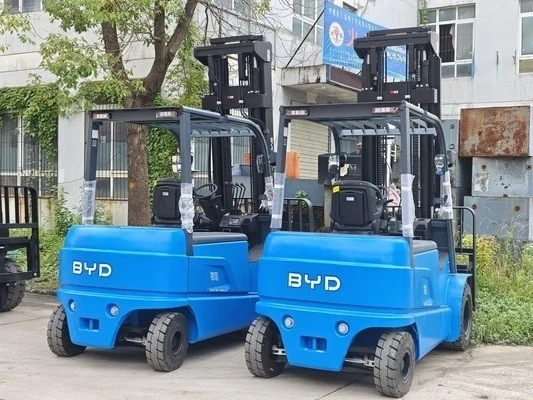
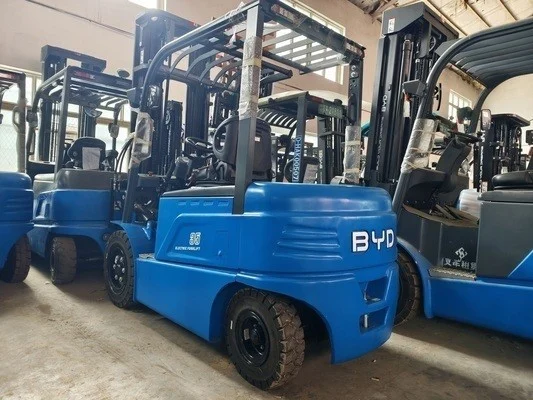
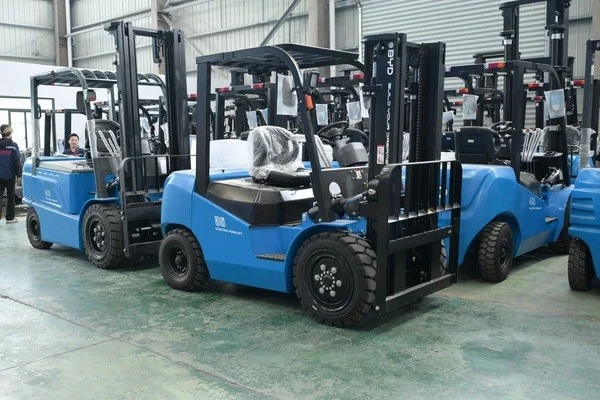
If you search local options toward an electric forklift purchase, two critical specs often get overlooked: lift height and load center. Getting these wrong leads to equipment that cannot handle your daily work, or costs more than your budget allows. This checklist focuses on four-wheel counterbalance electric forklifts, the most common general-purpose unit found in warehouses, manufacturing yards and retail distribution centers.
Core Spec Definitions You Need Before Checks
What Is Lift Height?
Lift height describes the maximum vertical distance your forklift mast can raise the fork carriage from the ground to the tip of the lifted fork. This differs from collapsed mast height, which measures the overall mast length when the fork sits fully lowered. Collapsed mast height matters when you move your forklift through low doorways or under low overhead structures inside your facility.
What Is Load Center?
Load center describes the horizontal distance from the front face of the fork heel to the center of gravity of the load you carry. Standard four-wheel counterbalance electric forklift units use a common default load center rating based on standard pallet sizes. Adjustments apply when you carry oversized or irregularly shaped cargo.
Your Pre-Specification Checklist
-
Calculate Maximum Required Lift Height
Start with the height of the tallest load stack you need to reach. Add extra clearance to this number to cover mast tilt, uneven stack placement and any overhead obstructions. Most operations add 10 to 20 centimeters of extra clearance to avoid accidents or equipment damage. If you work with high-level racking, confirm mast deflection under full load matches your required clearance. Mast deflection describes how much the mast bends forward when it carries full weight at full height, which reduces effective clearance at the top of the lift.
-
Confirm Your Actual Load Center Requirement
Check the dimensions of your most common cargo. Measure the distance from the front edge of your cargo to its center of gravity. Compare this number to the standard load center rating of the forklift model you consider. If your actual load center exceeds the model’s rated load center, the unit’s safe lifting capacity drops. This means a unit rated to carry 2000 kilograms at standard 500mm load center may only carry 1600 kilograms safely when your load center hits 600mm. Always match your load center to your heaviest, most common cargo to avoid unsafe operation.
-
Cross-Check Lift Height and Load Capacity
Maximum lifting capacity drops as lift height increases on most four-wheel counterbalance electric forklifts. Many buyers only check the base lifting capacity listed at standard lift height, and forget to confirm capacity at the maximum height they need. Check the manufacturer spec chart to confirm your unit can lift your maximum required load weight all the way to your maximum required lift height. This step eliminates mismatched units that can handle your weight at low heights but fail when you need full lift height.
-
Factor In Facility Access Constraints
After you confirm lift height specs, check the collapsed mast height against the lowest door opening or overhead obstruction your forklift needs to pass. A unit with extra lift height often has a longer collapsed mast, which may not fit through standard loading dock doors or warehouse entryways. This simple check avoids unexpected access issues after delivery.
Once you complete all these checks, you have clear spec requirements you can share with local vendors. This speeds up your quoting process and helps vendors offer units that match your actual operational needs.
Frequently Asked Questions
Can I adjust lift height or load center specs after delivery?
Both specs tie to core mast and chassis design of the four-wheel counterbalance electric forklift. You cannot modify these specs after you take delivery. Confirm all requirements before you finalize your purchase order.
Do standard pallets always match the default load center rating?
Most standard North American and European pallets align with common default load center ratings. You only need an adjusted rating when you use custom-sized pallets, oversized crates or irregularly shaped cargo that shifts the center of gravity further from the fork heel.
Where can I get help confirming specs matching my facility needs?
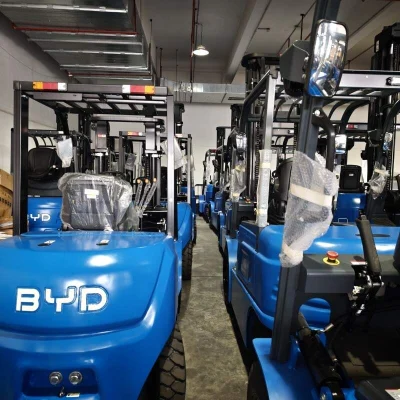
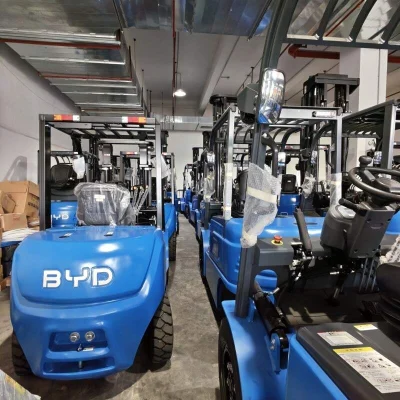
If you struggle to calculate your exact requirements, you can share your facility layout, cargo details and operational needs with our team. Our team can help you review your requirements and match you with appropriate BYD four-wheel counterbalance electric forklift options.