Preventive Maintenance Schedules Preserve 2.5 Ton Electric Forklift Performance and Reduce Unplanned Downtime
News 20/10/2026
A consistent preventive maintenance schedule protects your 2.5 ton electric forklift performance and lowers risk of unplanned downtime. Most warehouse operations rely on this capacity class of forklift daily, so missed maintenance creates cascading delays across picking, loading and putaway workflows. Below we break down actionable tasks organized by interval, critical component checks and adaptation tips match your site needs.
Core Maintenance Tasks Grouped by Interval
- Daily Pre-Shift Checks: Operators inspect tire pressure and tread wear, check brake response, confirm battery charge level and look for visible leaks around hydraulic lines. Operators also test all safety features including horn, lights and load backrests before starting any shift.
- Weekly Deep Checks: Maintenance teams tighten loose mast bolts, clean battery terminals, check hydraulic fluid level and inspect fork tines for visible cracks or bending. Wait, no, fix that:
forcheck fork tines for… no, rewrite: Weekly Deep Checks: Maintenance teams tighten loose mast bolts, clean battery terminals, check hydraulic fluid level and inspect fork tines to identify visible cracks or bending. - Monthly Full Inspections: Teams test steering system play, check chain tension and wear, inspect battery water level (lead-acid types) and verify all safety interlocks function correctly.
- Quarterly System Testing: Teams inspect mast lift and lower speed, check brake pad wear, test controller connections and inspect wheel bearing torque.
- Annual Comprehensive Service: Teams perform full frame inspection, replace worn hydraulic filters, test battery capacity, replace old brake fluid and align mast channels if needed.
Not all intervals fit every operation. High-intensity sites, such as multi-shift 24/7 warehouses, shorten intervals match higher usage rates.
Critical Check Points Specific to 2.5 Ton Electric Forklifts
This capacity class of electric forklift carries common design configurations, so specific checks prevent unexpected failures.
Battery System Checks
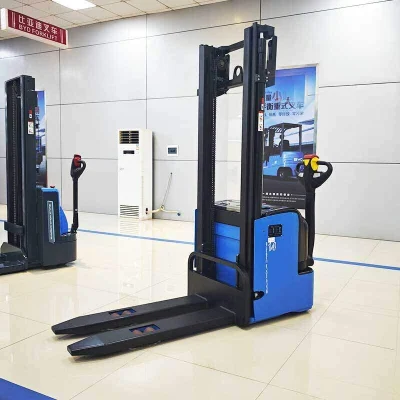
2.5 ton electric forklifts draw consistent high power during daily load handling. Loose connections or corroded terminals cause uneven power draw, which reduces overall performance and shortens battery service life. Teams must confirm all connections stay tight and clean after every 50 operating hours. For lead-acid… no, rewrite: Lead-acid batteries require regular electrolyte level checks; low level causes permanent cell damage that cannot reverse. Lithium-ion options require regular BMS (battery management system) error log checks and confirmation cooling vents stay clear of debris.
Mast and Load Handling Components
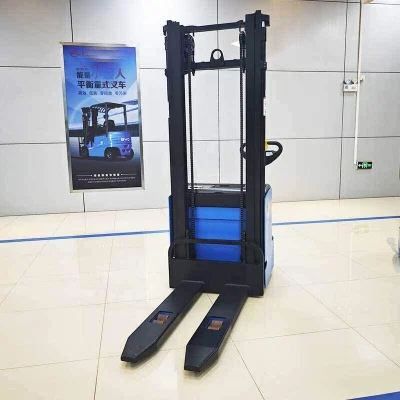
This capacity rating applies to loads placed at standard load center distance. Worn chain links or misaligned mast channels reduce effective load capacity, which creates safety risks and unnecessary stress on drive components. Teams measure chain stretch against manufacturer specifications during monthly checks, and replace chains when stretch exceeds recommended thresholds. They also inspect fork heel to identify bend or crack, since damaged forks compromise load stability.
Hydraulic System Integrity
Slow or uneven mast movement often traces back to small leaks or low fluid level. Even minor leaks contaminate warehouse floors and create slip hazards, so teams check all line connections and seal glands during weekly inspections. They use manufacturer-recommended hydraulic fluid matching your ambient operating temperature, since incorrect fluid viscosity reduces mast response time.
| Component Type | Key Check Item | Confirmation Required From Supplier |
|---|---|---|
| Battery | Capacity retention after 100 charge cycles | Specified operating temperature range, BMS feature set |
| Mast Chains | Stretch percentage per inspection | Maximum acceptable stretch rating, replacement part number |
| Brake System | Brake pad thickness | Minimum usable thickness specification |
| Hydraulic System | Fluid viscosity rating | Correct fluid type matching your site temperature range |
How to Adapt Schedules to Your Operation
Generic schedules do not fit every work environment. Adjust intervals based on your site conditions to get the best results.
- Multi-shift high volume operations: Cut all inspection intervals by 30% to 50% match higher usage. Add an extra battery check at the end of every shift, since high throughput increases heat generation within battery cells.
- Cold storage environments: Add extra checks on battery heating systems (if equipped) and confirm hydraulic fluid matches low temperature ratings. Inspect door seals and wiring insulation weekly to prevent moisture intrusion.
- Outdoor intermittent use: Add extra checks on tire tread and brake components, since exposure to dust and moisture increases wear. Clean battery terminals more often to prevent corrosion buildup.
Always document every inspection and completed maintenance task. Digital logs help identify recurring issues before they cause unplanned downtime, and keep maintenance history intact when you resell or reassign the forklift.
Frequently Asked Questions
Does my 2.5 ton electric forklift need preventive maintenance if I rarely use it?
Even low usage causes component degradation. Hydraulic fluid breaks down over time, and battery cells self-discharge during storage. You should still complete monthly checks and annual service, even if the forklift sees less than 10 hours of operation per week.
What is the most common mistake teams make with preventive maintenance?
The most common mistake skips pre-shift operator checks. Small issues such as low tire pressure or minor leaks become major failures when left unaddressed across multiple shifts. Training operators complete quick pre-shift checks reduces unplanned downtime more than any other single step.
Can I complete most preventive maintenance tasks in-house?
Most routine checks and minor maintenance tasks work with in-house teams, as long as team members receive proper training matching your forklift model. Annual comprehensive service and complex electrical system work often require manufacturer-certified technicians, especially for lithium-ion battery systems. Check your owner’s manual confirm requirements before you complete complex work.
A well-designed preventive maintenance schedule keeps your 2.5 ton electric forklift performance consistent, lowers long-term operating costs and reduces unexpected downtime. Always align your schedule match your specific operation conditions, and follow manufacturer recommendations for all component checks and replacements. Before you finalize any maintenance process, confirm all specifications and part requirements with your forklift supplier to avoid missteps.