How to Evaluate Manufacturing Quality and Compliance Capabilities When Building Your Next Electric Forklift Factory Partnership
News 20/10/2026
Selecting the right electric forklift factory partner requires more than reviewing production capacity and pricing. Your evaluation of quality and compliance capabilities directly impacts product reliability, market access and long-term operational costs. Below we outline structured steps you can use to conduct a thorough assessment.
Map Core Assessment Criteria Aligned With Your Business Needs
Align Evaluation Priorities With Your Market Entry Requirements
Before you start reviewing potential partners, document your non-negotiable requirements. Different regions enforce different rules around vehicle emissions, battery safety, worker safety and material sourcing. Your priorities also shift based on your sales volume: low-volume custom operations need different process controls than high-volume mass production. List all required certifications up front to eliminate candidates that cannot meet your basic needs early in the process. Avoid wasting resources on deep dives with factories that lack mandatory documentation.
Document any specific quality expectations you have, such as defect rate thresholds or traceability requirements for key components like lithium batteries. This clarity helps you structure your assessment and ensures you compare candidates on the same metrics.
Audit Quality Management Systems and Process Controls
Review Documented Quality Management Frameworks
Most established factories maintain formal quality management frameworks. Ask to see current certification documentation and review how the factory implements framework requirements across daily operations. Identify evidence of continuous improvement processes, documented corrective actions addressing past defects and clear ownership of quality outcomes at every production stage.
Inspect In-Line Process Controls
Documented frameworks mean little without consistent on-floor execution. Ask the factory to walk you through key inspection points during production. Common check points include component incoming inspection, welding quality checks, battery system testing and final vehicle performance testing before shipment.
Check how the factory tracks defects and addresses root causes. Factories that track defects by production batch and implement corrective actions prevent recurring issues that can lead to costly product recalls later. Ask how the factory manages component traceability: you need clear records of every major component origin should safety issues or supply chain disruptions arise.
Many factories share sample inspection reports to demonstrate their process. Review these samples to understand how thoroughly the team documents results and addresses deviations from your specifications.
Verify Compliance With Applicable Global and Regional Standards
Compliance failures block market access and create significant legal and financial risk. Confirm all relevant certifications are current and issued by recognized third-party bodies. Avoid accepting self-reported compliance without independent verification.
Check Product-Specific Compliance Credentials
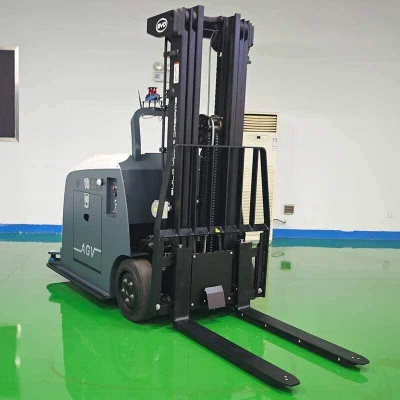
Electric forklifts require compliance with standards related to electrical safety, battery handling, braking performance and emissions (if applicable depending on power source). As one example, factories selling into the European Economic Area need valid CE marking documentation, while those selling into North America need relevant UL or ANSI certification. Confirm the certification covers your specific forklift model, not just general factory operations.
Confirm Facility and Labor Compliance
Many brands now require factory level compliance with labor laws, environmental regulations and workplace safety standards. Factories that cut corners on facility compliance face shutdowns, supply chain disruptions and reputational damage that impact your business too. Request documentation of current environmental permits, workplace safety audits and labor practice compliance. If your business sources materials from specific regions, confirm the factory adheres to any relevant conflict minerals reporting requirements.
If you cannot conduct an on-site audit yourself, engage a qualified third-party auditor to complete a compliance check on your behalf. This small upfront investment avoids major costly issues down the line.
Frequently Asked Questions
What documents should I request from a potential electric forklift factory during evaluation?
Request copies of current quality management certification, product compliance certifications specific to your target market, facility safety and environmental permits, sample production inspection reports, and component traceability records. This set of documents gives you a clear baseline to assess the factory’s capabilities before you proceed to on-site visits or deeper negotiations.
Can I skip compliance verification if the factory references past work with other brands?
No. Past work with other brands does not guarantee compliance with your specific requirements or current regulations. Rules change regularly, and compliance credentials expire. You must verify all requirements apply to your specific product and current production operations before you finalize your partnership.
How does small production volume impact quality assessment criteria?
Even with small production volumes, you still need to confirm quality controls and compliance. Smaller operations may have more flexible processes, but you still need clear documentation of inspections, certifications and traceability. Adjust your focus to identify consistent process execution rather than high-volume automated lines, but do not relax non-negotiable compliance requirements.
What should I do if a factory lacks one of my required certifications?
First, confirm whether the certification can be obtained before your production launch. Some factories can complete the certification process within a set timeline, while others cannot meet the requirements at all. If the certification is mandatory to access your target market, do not proceed unless the factory provides a clear, verifiable plan to obtain it before production starts.
Evaluating an electric forklift factory’s quality and compliance capabilities takes time and intentionality. Focus on verification of documented systems and consistent execution rather than marketing claims. This approach helps you build a long-term partnership that supports your business goals and reduces operational risk.