Electric Forklift Factory Selection: Matching Four-Wheel Counterbalance Models to Load, Lift Height, and Charging Infrastructure
News 21/10/2026
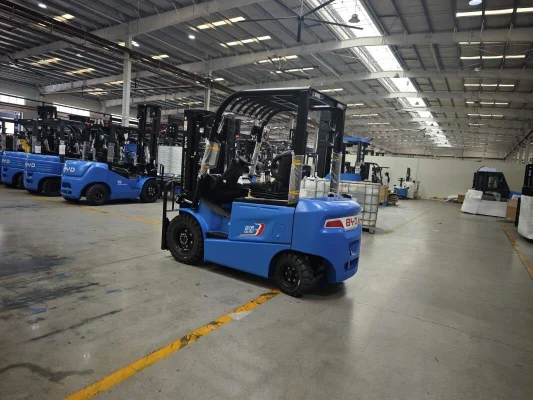
Factory managers handling material handling procurement face multiple decisions when sourcing electric forklifts. Your core goal centers on matching model specs directly to your daily operational demands, site constraints and long-term operational budgets. This guide focuses exclusively on four-wheel counterbalance electric forklifts, the most common general-purpose option factory handling, loading and unloading tasks. We break down three critical criteria to streamline your selection process and help you avoid costly misalignment between equipment and your needs.
Define Your Load Requirements
Load capacity stands as the first non-negotiable criterion your selection process. Every four-wheel counterbalance electric forklift carries a rated maximum load capacity tied directly to its load center distance. Most standard models use a 500mm (24 inch) load center as their baseline when calculating capacity ratings.
When documenting your load requirements, capture these key details:
- Maximum weight of any load you regularly move across your facility
- Standard length and depth of loaded pallets or containers you handle
- Frequency of operations that push your maximum load limit
- Variations in load size or weight across different work areas
A common selection mistake involves underestimating required capacity to cut upfront costs. A forklift rated below your maximum regular load causes premature wear on components, reduces operational safety and can lead to dangerous tip-over incidents. Conversely, over-sizing capacity beyond your actual needs drives unnecessary higher upfront purchase costs and higher energy consumption during daily operations.
Four-wheel counterbalance electric forklift models cover a wide range of standard capacity ratings. Most general factory operations fit within 1.5 ton to 8 ton rated ranges. You should adjust your required capacity upward by 10 to 15 percent if you regularly handle loads that fall outside your standard baseline. This adds a small safety buffer without unnecessary over-sizing.
Match Lift Height to Your Operational Needs
Lift height refers to the maximum vertical distance your forklift can raise a load to reach storage racks, loading docks or transport vehicles. This spec varies widely across four-wheel counterbalance electric forklift models, so you need accurate on-site measurements before finalizing your selection.
First, measure the maximum lift height you need. Include any additional clearance required above the highest rack level to avoid collisions when placing loads. If your facility uses double-deep storage or high-bay racking, confirm your required lift height exceeds the top beam height by at least 300mm (12 inches) to create safe clearance.
Most buyers overlook residual capacity at maximum lift height. A forklift’s full rated load capacity only applies at lower lift heights. As lift height increases, maximum safe load capacity decreases. This relationship matters more with high-lift models than standard low-lift units used primarily in trailer loading and ground-level transport.
Ask your supplier to share residual capacity charts matching your selected lift height and load requirements. This step ensures your model can safely handle your maximum load even at your highest required lift point.
Common scenarios affecting lift height requirements include:
- Outdoor yard storage with stacked shipping containers
- Multi-level indoor warehouse racking systems
- Loading of dry van or semi-trailer vehicles with high internal clearance
- Specialized processing equipment that requires elevated load placement
Double-check your maximum required lift height before placing an order. Modifying mast height after delivery adds significant cost and downtime, so accurate upfront measurements save time and money long-term.
Assess Your Site Charging Infrastructure
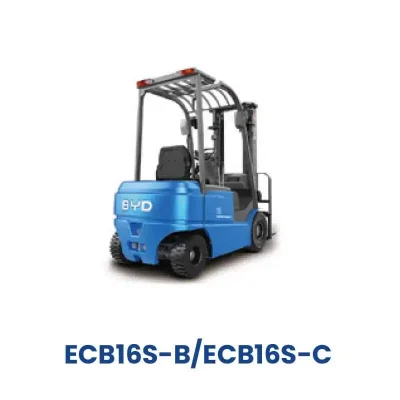
All lithium-ion four-wheel counterbalance electric forklifts rely on on-site charging infrastructure, so your site’s existing electrical capacity and available charging space directly impact your model selection. Unlike lead-acid batteries, lithium-ion batteries support opportunity charging during breaks, which reduces required battery size across many operations.
Start your assessment with these key steps:
- Map your daily work shift schedule to calculate total daily runtime your forklift needs. Count all breaks, shift changes and idle periods where opportunity charging can occur.
- Test the electrical capacity of your proposed charging location. Confirm your site’s main electrical panel can support the charger’s amperage and voltage requirements without overloading existing circuits.
- Measure available space to accommodate your charger and any battery swapping equipment if you run multiple shift operations.
Opportunity charging works well with single-shift and light double-shift operations. You can top up the battery during lunch breaks and shift changes, eliminates need to invest in spare battery swapping infrastructure. This reduces required space and upfront infrastructure cost. Heavy double-shift and three-shift operations often require spare battery swapping or dedicated high-power fast charging stations. Plan your infrastructure layout to accommodate these needs before your new forklift arrives.
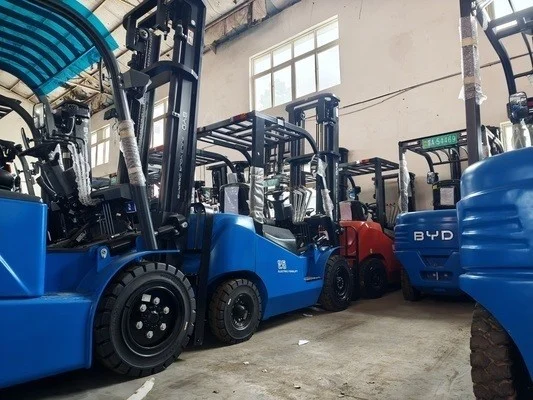
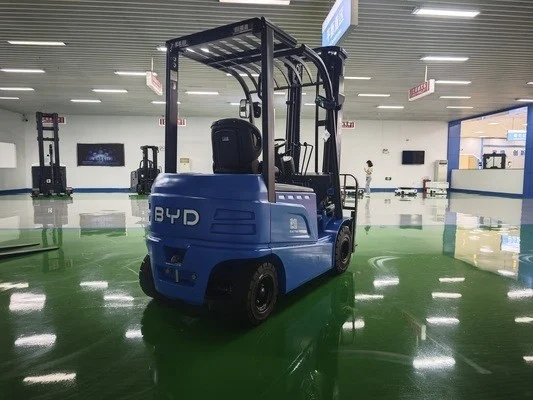
BYD lithium-ion four-wheel counterbalance electric forklifts offer integrated battery management systems that protect cell health and extend overall service life. Your charger must match the battery’s voltage and chemistry specifications to maintain this protection. Never use an incompatible charger, as this can void your warranty and create safety risks.
If your site lacks sufficient electrical capacity to support high-power charging, you can select a model with a larger battery capacity to extend runtime between charges. This option adds some upfront cost, but means you avoid costly electrical upgrades to your facility.
Frequently Asked Questions
Can four-wheel counterbalance electric forklifts operate outdoors?
Many modern four-wheel counterbalance electric forklifts include weather-sealed components that work well in outdoor use under dry and light rain conditions. You should confirm your selected model includes appropriate weather sealing if you plan regular outdoor operation. Check with your supplier about any operational limits related to extreme temperatures or wet conditions.
What aisle width do I need to operate four-wheel counterbalance electric forklifts?
Required aisle width depends on your forklift’s turning radius and your load size. Standard 1.5 to 3 ton four-wheel counterbalance models typically require 3 to 3.5 meters (10 to 11.5 feet) of clear aisle width to complete 90-degree turns. Larger capacity models require wider aisles. Always measure your clear aisle width, accounting for any rack overhang or wall obstacles, before selecting your model.
Do I need an extra battery to run my lithium-ion electric forklift through multiple shifts?
This depends on your total daily runtime and access to opportunity charging. If you can top up the battery during scheduled breaks, a single battery often supports two full shifts. Three continuous shifts almost always require a spare battery and swapping equipment. Your supplier can help you calculate battery needs based on your specific schedule.
Where can I get custom specs matching my factory’s unique needs?
Our team offers custom configuration support covering BYD four-wheel counterbalance electric forklifts. Share your site measurements, load requirements and operational schedule with our team, and we can help you identify the right model and configuration matching your needs.
Selecting an electric forklift that fits your factory relies on accurate upfront data collection and clear alignment between your operational needs and model specifications. By focusing on load capacity, lift height and charging infrastructure first, you narrow your options to models that fit your site and support reliable long-term operation. Always share your full set of site and operational details with your supplier to get accurate recommendations aligned with your budget and performance needs.