Evaluating Electric Forklift Noise Output Effects on Indoor Warehouse Worker Comfort and Operational Site Compliance
News 12/10/2026
Core Impacts of Elevated Noise in Indoor Warehouses
Indoor warehouse environments rely on hard surfaces like concrete that reflect sound waves. Noise from material handling equipment shapes two critical areas: worker well-being and facility regulatory adherence. Even relatively low-level persistent noise creates measurable issues affecting worker comfort and operational compliance.
Worker Health and Comfort Consequences
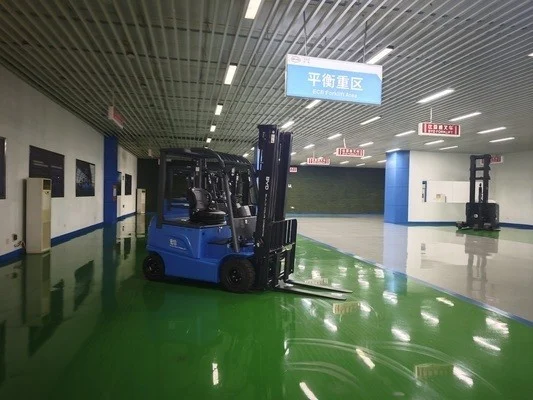
Persistent noise exposure contributes elevated stress levels, increased daily fatigue, and reduced situational awareness. These effects heighten accident risk across all warehouse roles. Indoor spaces amplify noise through sound reflection off hard walls and floors, so even moderate output electric forklift can create cumulative problematic exposure in high-traffic zones. Over long shifts, this constant background noise reduces job satisfaction and increases worker turnover potential.
Regulatory Compliance Requirements
Most regional occupational safety regulators set mandatory noise exposure limits on indoor work sites. Noncompliance brings fines, mandatory workflow adjustments, legal liability and worker health claims. Facilities operating multiple shifts face additional scrutiny, as cumulative daily exposure across shifts can push overall levels above allowed thresholds, even individual eight-hour shifts fall under limits.
Key Variables That Shape Electric Forklift Noise Output
Not all electric forklift share identical noise output characteristics. Multiple design, maintenance and use factors determine how much noise a unit generates during daily operation.
Powertrain design stands as one biggest influencing factors. Brushless AC motor designs typically produce far less noise and vibration than older brushed DC motor alternatives. Hydraulic system design also plays major role: gear pumps common older models generate more vibration and noise during lifting and lowering operations compared piston pumps used newer quiet designs.
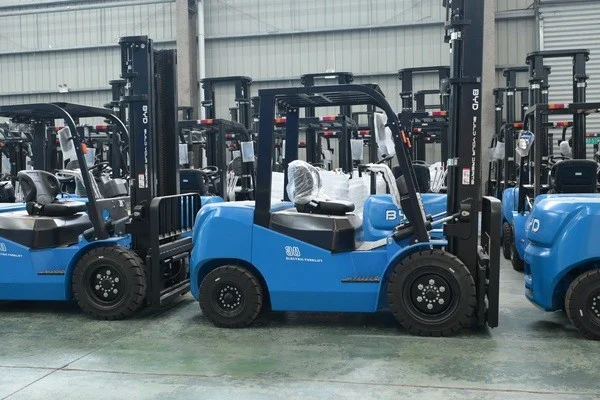
Tire selection and vehicle condition also impact output. Solid rubber tires transmit more vibration from floor imperfections to the truck frame than cushion tires, raising overall noise levels. Worn components such as bad bearings, loose hydraulic fittings, or uneven tire tread increase noise output over time, even originally quiet models fall out specification without regular maintenance.
Practical Steps to Assess and Manage Noise Levels
Facility managers can take actionable steps to evaluate electric forklift noise and mitigate negative impacts on workers and compliance.
Pre-Purchase Noise Output Evaluation
Request official noise level data included in manufacturer specifications. Test candidate units within your own warehouse before committing long-term acquisition, because ambient acoustic properties your facility differ dramatically from controlled testing environments manufacturers use. What qualifies as a quiet unit one space may create excessive noise another space with different layout and surface materials.
Ongoing Noise Management Strategies
Implement regular maintenance schedules that address worn components that raise noise output. Create designated forklift traffic routes separate from stationary worker packing and sorting stations. Install acoustic wall panels in high-traffic areas to reduce sound reflection. Provide hearing protection any areas noise levels approach regulatory thresholds to support long-term worker health.
Important limitations must guide your planning: even the quietest electric forklift will generate some noise. Facilities with high daily material handling volumes require active noise management, not just reliance on quiet equipment. Layout adjustments deliver far greater long-term benefits than relying solely on equipment upgrades alone.
Frequently Asked Questions
Are all electric forklift models quieter than internal combustion options?
Most electric forklift produce lower overall noise output than comparable internal combustion forklift. However, older poorly maintained electric models can approach noise levels of new entry-level internal combustion units, so noise output requires model-specific evaluation.
What facility design changes reduce electric forklift related noise indoor?
Common effective changes include adding acoustic absorption materials to hard concrete walls and ceilings, re-routing forklift traffic away from stationary worker workstations, and installing rubberized floor mats in high-traffic aisles to reduce vibration from travel.
Do regulatory noise limits apply small warehouse operations?
Regulatory requirements depend your location. Most regional workplace safety agencies apply noise limit rules all indoor work sites, regardless facility size. Contact your local occupational health office confirm which rules apply your operation.
How often should facility managers test noise levels their warehouse?
Facility managers should conduct noise level testing at least once annually, or after major layout changes, fleet upgrades, or reports worker discomfort related noise. More frequent inspections identify rising noise from worn forklift components before it creates compliance issues.