Counterbalance Design Impacts Electric Forklift Operational Safety and Load Stability in High Throughput Loading Yards
News 16/10/2026
High throughput loading yards demand consistent, safe operation from electric forklifts. Counterbalance design directly shapes how well these units maintain load stability and avoid operational safety incidents amid frequent moves, uneven surfaces and varying load sizes. This guide breaks down key design factors, selection criteria and common questions relevant to this work environment.
Core Counterbalance Design Factors Shaping Yard Performance
Center Of Gravity Placement
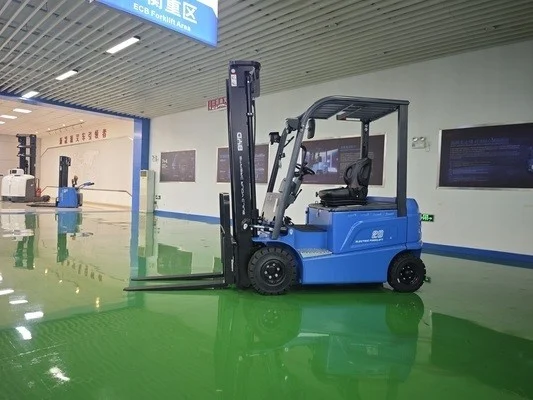
Counterbalance design centers on intentional placement of weight to offset load weight at the front of the truck. In high throughput loading yards, forklifts regularly navigate uneven pavement, sharp turns and sudden stops to move high volumes of goods. Any misalignment in center of gravity creates excess sway, increases tilt risk and can lead to load drops or rollover incidents.
Many electric forklift designs integrate the battery as part of the total counterbalance weight. This reduces need for additional solid counterweight, but places higher importance on battery position and weight consistency. Swapping battery types without adjusting overall balance creates hidden safety risks.
Wheelbase and Frame Rigidity
Wider wheelbases create a larger base of support, which improves overall stability. Counterbalance placement interacts with wheelbase dimensions to set the truck’s overall tipping point. For high intensity yard work, frame rigidity also plays a role: continuous use can lead to minor frame flex that shifts the center of gravity over time, reducing stability.
| Parameter | Industry Risk | Required Supplier Documentation | Optional Configuration |
|---|---|---|---|
| Center of Gravity Calibration | Unintended center of gravity shift increases rollover risk | Calibration data under maximum load and full lift height | Adjustable counterweight matching varying load types |
| Wheelbase Width | Narrow wheelbase reduces stability on uneven yard pavement | Dimension data paired with your target rated load | Widened wheelbase configuration dense, high-load operations |
| Frame Rigidity | Flexing frame shifts center of gravity during continuous high-volume use | Material strength and fatigue resistance ratings | Reinforced high-strength steel frame |
| Battery Integration As Counterweight | Incorrect battery weight or placement throws off overall balance | Balance data matching your chosen battery type | Custom counterweight adjustment lithium or lead-acid battery conversions |
Key Selection Criteria High Throughput Loading Yards
Evaluating electric forklifts use within your high throughput yard, prioritize configuration checks that match your specific operating conditions. Generic default configurations may not deliver required stability your work demands. Follow these actionable steps during selection:
- Map your yard’s average load weight, maximum lift height and typical load size before engaging suppliers. Share this data so suppliers can confirm counterbalance configuration matches your needs
- Document yard surface conditions: uneven pavement, frequent sloped loading areas or soft ground require adjusted counterbalance placement to maintain stability
- Request suppliers share center of gravity offset data under your typical operating conditions, not just nominal rated load tests
- Complete a test drive with a load matching your maximum typical weight to check stability during sharp turns and sudden stops on your own yard terrain
Key limits you must note: standard counterbalance configurations align with the truck’s published rated load at standard load center. If your operation regularly handles loads beyond the standard load center distance, or consistently operates near maximum rated capacity, you must request upgraded or adjusted counterbalance from your supplier. Standard configurations will not deliver sufficient stability in these cases.
You must also confirm counterbalance alignment matches your chosen battery type. Lithium-ion batteries often have different weight and dimensions compared to lead-acid options. Even if the battery fits the compartment, incorrect weight can throw off overall balance, leading to safety issues.
Frequently Asked Questions
Does counterbalance design affect electric forklift tire wear?
Yes. Poorly calibrated counterbalance places uneven pressure on front or rear tires, leading to faster wear in high intensity yard operations. Operations should check tire pressure and wear patterns monthly to identify misaligned counterbalance early.
Can I adjust counterbalance after purchasing an electric forklift?
Some models offer optional adjustable counterweight configurations, but most production models include fixed counterbalance matched the original design specifications. Any modification alters the original center of gravity, so you must consult the original manufacturer before making changes to avoid safety risks.
What stability checks should I complete during new unit acceptance?
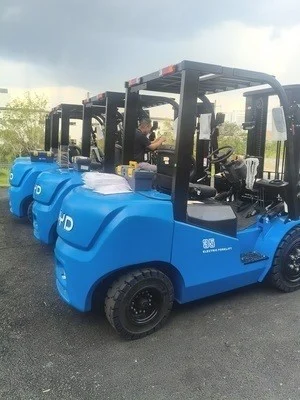
Complete the following checks before accepting delivery: 1. Inspect counterbalance mounting bolts confirm correct torque per manufacturer specifications 2. Test unit stability with maximum rated load at full lift height 3. Check handling during sharp turns on your typical yard terrain. Any excessive sway or tilt indicates potential design or configuration issues requiring correction before use.
Counterbalance design remains one of the most critical factors affecting electric forklift safety and load stability in high throughput loading yards. Taking time to verify design parameters, match configuration your specific operating conditions, and complete pre-acceptance checks reduces safety risks and improves long term operational efficiency in busy yard environments.