Pedestrian Detection System Integration Improves Electric Forklift Site Safety in Shared Industrial Workspaces
News 18/10/2026
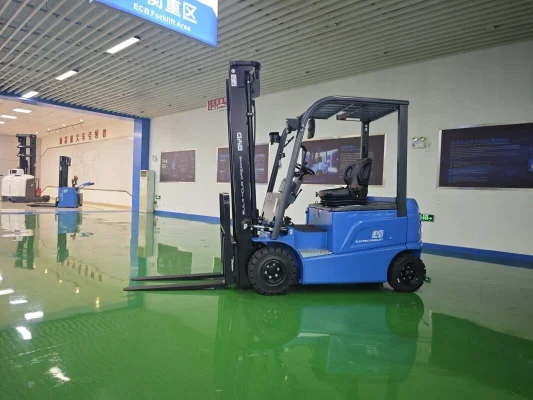
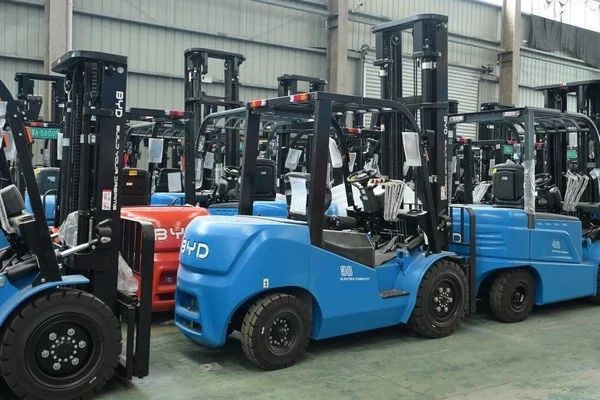
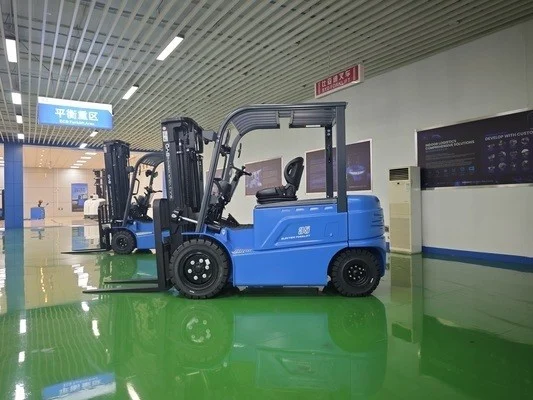
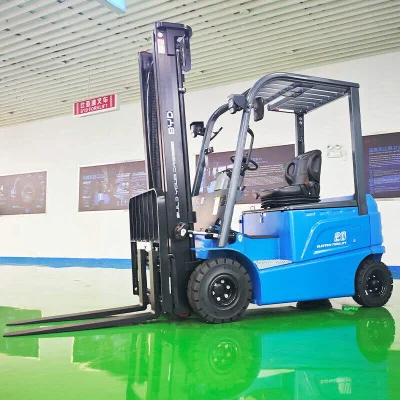
Shared industrial workspaces host constant overlap between pedestrian worker traffic and material handling operations. Electric forklifts make up most moving equipment in these facilities, thanks to zero-emission operation and high maneuverability ideal indoor work. However, blind spots, distracted driving, and unexpected pedestrian movement create consistent collision risks. Integrating dedicated pedestrian detection systems directly into your electric forklift reduces these risks and creates safer working conditions across your site.
Core Collision Risks In Shared Industrial Workspaces
Most shared workspaces separate pedestrian and vehicle zones with marked lines, but these markings alone do not eliminate risk. Common hazards include:
- Blind spots on electric forklifts that block driver views of workers moving alongside or behind the unit
- Unexpected pedestrian entry into vehicle zones due to last-minute work tasks
- Obstructions from stacked inventory that block both driver and worker views of oncoming traffic
- Distracted driving caused by complex loading tasks that pull driver attention away from surrounding movement
These hazards lead to non-fatal collisions, work disruptions, and costly equipment damage. Facility managers need proactive solutions that address risks at the source, rather than relying solely on worker training and static signage.
How Pedestrian Detection Integration Boosts Safety
Pedestrian detection systems use a combination of sensors, on-board processing, and alerting tools to identify nearby pedestrians and notify drivers before a collision can occur. Integration directly into the electric forklift’s on-board systems creates more reliable performance than stand-alone alternative options. Key functions include:
Real-Time Hazard Alerts
Sensors continuously scan the area surrounding the electric forklift. When a pedestrian enters the detection zone, the system triggers immediate visual and audible alerts to the driver. Many systems can also trigger automatic braking if the pedestrian moves within an immediate danger zone, giving drivers extra time to respond.
Full Coverage Across Blind Spots
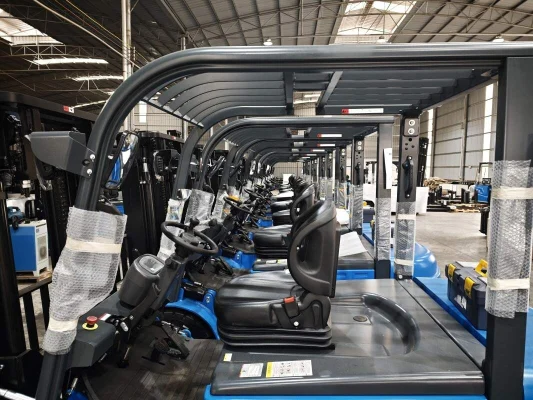
Installers place sensors around the full perimeter of the electric forklift, covering areas drivers cannot see from their operating position. This includes the rear of the unit, the area directly beneath the forks, and blind spots created by heavy loads. Coverage extends to multiple directions, even when the forklift moves in reverse.
Key Integration Requirements
Successful integration depends on matching the detection system to your electric forklift and facility conditions. You need to confirm several details before moving ahead with installation:
- Compatible voltage ratings match your electric forklift on-board power system
- IP rating fits your facility’s dust, moisture, and temperature conditions
- Available mounting space exists on the forklift frame without blocking existing controls or sensor views
- System settings adjust to your facility specific operating speed limits and detection zone sizes
You also need to train all drivers to recognize system alerts and understand proper response protocols. Even the most advanced system cannot deliver full safety value if drivers do not know how to interpret alerts correctly.
Common Limitations To Keep In Mind
Pedestrian detection systems add significant safety value, but they do not eliminate all risk. You need to understand key limitations when planning your integration project:
Extreme environmental conditions can reduce detection accuracy. Heavy dust, snow, or condensation covering sensor surfaces can block sensor inputs, leading to missed detections. Facilities with harsh conditions need regular scheduled cleaning of sensor surfaces to maintain performance.
Systems also rely on clear distinction between pedestrians and surrounding objects. Workers wearing clothing that matches background colors or working in extremely low light can lead to delayed detections. Supplementing detection systems with high-visibility worker clothing and adequate site lighting improves overall reliability.
Pedestrian detection systems work alongside existing safety measures, such as marked pedestrian lanes and regular safety training, they do not replace these core site safety practices.
Frequently Asked Questions
Can pedestrian detection systems work on older electric forklift models?
Most older electric forklift models support after-market integration, as long as available space exists for不对!哦,这里错了,改:Most older electric forklift models support after-market integration, as long as available mounting space meets system size needs and the on-board power system matches the system’s voltage requirements. Contact your system supplier to confirm compatibility before completing any purchase.
How often do systems need maintenance?
Routine maintenance only involves visual inspection and cleaning of sensor surfaces, typically completed during scheduled forklift maintenance checks. Most units only need full re-calibration after major component changes, accidents, or facility layout overhauls.
How long does full integration take per unit?
Most after-market installations take one full work shift per electric forklift. Many facilities schedule installations during off-hours or planned downtime to avoid disrupting daily site operations.