How Power Source Selection Impacts Uptime and Operational Costs of Forklift Trucks
News 14/10/2026
Forklift trucks form the backbone of most material handling operations across warehouses, distribution centers, manufacturing facilities, and construction sites. The power source you choose directly affects two key operational metrics: equipment uptime and total long-term operational costs. Many operations focus heavily on initial purchase price when selecting new forklifts, overlooking long-term impacts linked to power source type. This guide breaks down these impacts and offers clear guidance matching your operational needs.
Core Power Options Available Today
Four main power sources dominate modern forklift truck markets. Each comes with distinct characteristics that shape uptime and costs over the equipment lifespan.
Internal Combustion (IC) Engines
IC engines run on gasoline, diesel, or propane. They support high load capacities and work well in harsh outdoor environments, including rough terrain applications.
Lead-Acid Batteries
Traditional flooded lead-acid batteries are the most common low-cost choice among battery-powered forklifts. They require dedicated charging rooms and regular maintenance including water top-ups.
Lithium-Ion Batteries
Lithium-ion batteries are a newer rechargeable option growing in popularity across material handling. They require no regular maintenance and support fast opportunity charging during short breaks.
Hydrogen Fuel Cells
Hydrogen fuel cells generate electricity on board the forklift, with only water as a byproduct. They refuel quickly similar to IC engines but require specialized hydrogen infrastructure.
How Power Source Choice Directly Impacts Uptime
Uptime measures the percentage of time your forklift is available to work, rather than down during charging, refueling, or maintenance. Power source directly impacts uptime through refueling/charging speed and maintenance requirements.
IC engines refuel in just 2 to 5 minutes, so they experience very little downtime between shifts. They do require regular oil changes, filter replacements, and tune-ups that add planned downtime over the year.
Traditional lead-acid batteries require 8 to 12 hours charging plus an 8 hour cooling period after full discharge. Most operations swap batteries during multi-shift work, which adds 10 to 15 minutes downtime per shift. Battery swapping also increases wear on handling equipment and batteries, leading to more unplanned downtime from early failure.
Lithium-ion batteries eliminate long charging stops through opportunity charging. Operators can top up the battery during lunch or other short breaks, so the forklift can stay in operation across multiple full shifts without swapping or long overnight charging. They also require no regular maintenance, cutting planned downtime significantly.
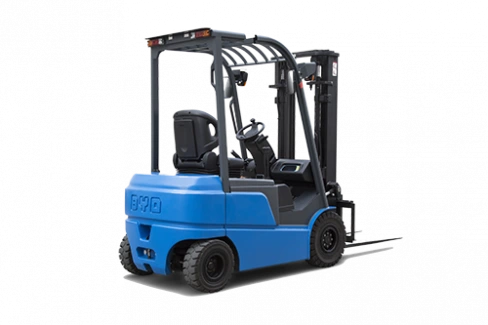
Hydrogen fuel cells refuel in 3 to 5 minutes, similar to IC engines, and require minimal maintenance. This puts their uptime potential on par with lithium-ion options, but limited infrastructure keeps adoption low in most markets.
Impact On Long-Term Operational Costs
Operational costs include initial purchase, energy, maintenance, and costs linked to unplanned downtime. Power source changes every single one of these components:
- Initial purchase cost: IC forklifts typically carry the lowest upfront price tag. Lead-acid battery powered forklifts come next, followed by lithium-ion models, which carry 20 to 40% higher initial costs than lead-acid options. Fuel cell powered forklifts have the highest upfront costs due to specialized equipment and infrastructure requirements.
- Energy costs: Lithium-ion batteries deliver the lowest energy costs per operating hour, followed by lead-acid batteries, then IC engines. Propane and diesel prices fluctuate more than electricity, leading to more cost volatility in IC operations.
- Maintenance costs: Lithium-ion and fuel cell options require almost no regular maintenance. Lead-acid batteries require regular water top-ups and terminal cleaning, adding ongoing labor costs. IC engines require regular oil changes, filter replacements, spark plug service, and exhaust system repairs, leading to the highest annual maintenance costs.
- Downtime costs: Unplanned downtime costs operations money through lost productivity and missed delivery deadlines. Higher uptime options directly reduce these costs. Lithium-ion batteries typically have 2 to 3 times longer lifespan than lead-acid batteries, reducing replacement costs over the forklift service life.
Practical Selection Guidance Based On Operation Type
The best power source depends on your specific operational context. Use these general rules to narrow your options:
- Single shift indoor operations: Lead-acid batteries often deliver solid balance of uptime and costs, as the single shift pattern leaves enough time overnight charging. Initial costs stay low, which fits small operations with limited capital.
- Multi-shift indoor operations: Lithium-ion batteries almost always deliver lower total operational costs despite higher initial investment. Higher uptime and lower ongoing costs offset the upfront premium within 3 to 5 years.
- Outdoor operations with heavy loads: IC engines remain the most practical option. They handle rough terrain and variable weather better than battery powered options, and fueling infrastructure is widely available in most locations.
- Operations with strict emissions rules: Lithium-ion batteries or hydrogen fuel cells eliminate tailpipe emissions, meeting strict indoor or environmental regulatory requirements.
Always calculate total cost of ownership across the entire expected service life of your forklift, rather than focusing only on initial purchase price. This captures all uptime and cost impacts linked to your chosen power source.
Frequently Asked Questions
Which power source delivers the highest uptime?
Lithium-ion batteries typically deliver the highest uptime in multi-shift operations, thanks to opportunity charging capabilities that eliminate long mid-shift charging stops. IC engines also deliver strong uptime at locations with easily accessible fueling infrastructure.
Do lower initial purchase costs always translate to lower total operational costs?
No. Many lower initial cost options, such as lead-acid batteries and IC engines, carry higher ongoing expenses related to maintenance, energy, and unplanned downtime. Total cost of ownership calculations must always include long-term expenses beyond the initial purchase price.
Can indoor operations use IC-powered forklift trucks?
IC-powered forklift trucks require adequate ventilation to clear harmful exhaust emissions. Unventilated indoor spaces create serious health risks to workers, so most indoor operations rely on battery-powered options.
What infrastructure changes come with lithium-ion battery adoption?
Lithium-ion batteries require compatible charging stations matched to battery voltage and capacity. Many facilities can upgrade existing electrical systems to accommodate higher charging loads, though this adds upfront project costs. Some smaller operations with single shift work can use existing infrastructure with minor adjustments.