How to Evaluate Forklift Trucks Aligned With Your Industrial Facility Operational Requirements
News 04/10/2026
Most industrial facilities rely on forklift trucks to move heavy materials across production, storage, and shipping zones. Choosing an option that mismatches your daily operations leads to increased safety risks, unnecessary maintenance costs, and reduced workflow efficiency. This structured evaluation framework helps you narrow options aligned with your specific operational requirements, rather than focusing on generic industry recommendations.
Map Core Operational Demand Your Facility Generates
Lift Capacity and Load Dimensions
First, document the heaviest load your team regularly moves. Include any oversized or irregularly shaped loads common to your operations, such as full pallets of building materials or large crates of finished goods. A forklift with insufficient capacity creates tipping risks and premature component wear. Overcapacity models drive higher upfront purchase and operating costs you do not need. Record maximum load weight and maximum base width of your most common loads to set clear evaluation criteria.
Facility Aisles and Vertical Clearance
Storage density directly impacts the size of forklift you can accommodate. Narrow aisles common in high-bay warehouses require compact turning radii that many standard sit-down counterbalance forklifts cannot provide. Measure your minimum aisle width and maximum storage rack height before evaluating any model. A forklift that cannot turn safely in your aisles wastes space and increases collision risk with racks or other equipment. Vertical reach must match your highest storage level, including any safety clearance needed above the load.
Daily Usage Intensity
Operations running two or three shifts daily need forklift built for sustained use. Single-shift light usage can support smaller, lower-cost models, but multi-shift high-volume operations require heavy-duty components and robust power systems. Document average number of load movements per shift and total daily operating hours to categorize your usage intensity.
Compare Power Source Options Against Your Operational Constraints
Internal Combustion Forklift
Internal combustion (IC) forklift run on gasoline, propane, or diesel. These models deliver higher torque and faster refueling times compared to battery powered options. They work well outdoors on uneven or unpaved surfaces, where moisture or debris can damage electric components. IC models produce exhaust fumes, so they require well-ventilated indoor spaces to avoid health risks. They also generally have higher long-term fuel and maintenance costs than electric alternatives.
Electric Battery Powered Forklift
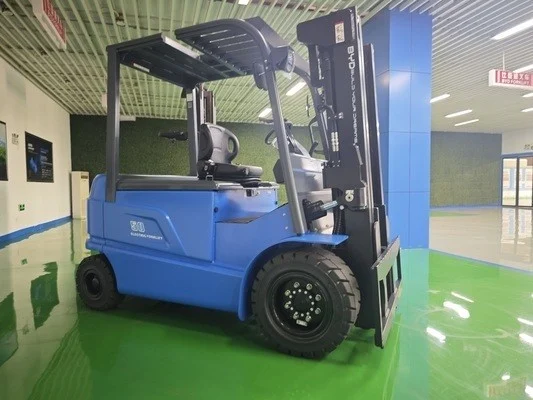
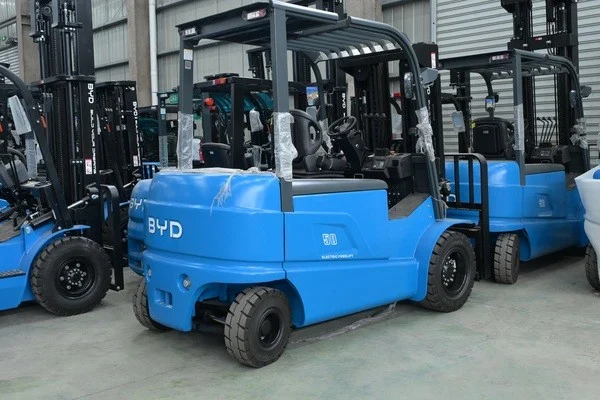
Electric forklift produce zero emissions on site, making them ideal for indoor facilities with limited ventilation. They operate more quietly than IC models, reducing workplace noise pollution. Most electric models rely on lead-acid batteries that require 8 to 12 hours charging time after an 8 hour shift. Multi-shift operations need extra battery packs to swap out during shift changes, adding upfront cost. Newer lithium-ion batteries offer faster charging and longer lifespan, but come with a much higher initial purchase price.
Assess Safety and Compliance Requirements
All forklift must meet local occupational safety regulations applicable to your location. Key evaluation points include load stability systems, operator visibility, and backup alarms. Facilities handling flammable materials need additional features such as explosion-proof electrical components and spark-resistant engines. Also, consider operator comfort: ergonomic controls, adjustable seats, and reduced vibration help reduce operator fatigue over long shifts, which lowers accident risk.
Compare Total Cost of Ownership Beyond Upfront Purchase Price
Many teams make the mistake of focusing only on initial purchase cost when evaluating options. Long-term costs include fuel or electricity, regular maintenance, replacement parts, and downtime. Electric forklift generally have lower long-term operating costs, but higher upfront cost and battery replacement expenses every 3 to 7 years. IC forklift often have lower upfront cost, but higher fuel and maintenance costs over the product lifespan. Also, check the manufacturer’s network of service providers near your facility, as long wait times on repairs lead to costly workflow interruptions.
Frequently Asked Questions
Can I use an outdoor forklift inside my facility?
Outdoor rated IC forklift can operate indoors only if your facility has constant, adequate ventilation to remove exhaust fumes. Electric outdoor rated forklift work safely indoors, as they produce no on-site emissions. Always check manufacturer specifications and local safety rules before moving any forklift between indoor and outdoor zones.
What happens if I pick a forklift with too much capacity?
Too much capacity adds unnecessary weight to your operations, which can damage warehouse flooring, increase fuel or energy consumption, and require wider turning aisles. You will also pay more upfront and in ongoing operating costs than your operational needs demand.
Do cold storage operations require specialized forklift?
Cold storage facilities operating below freezing require forklift with cold-resistant hydraulic fluid and protected battery components. Standard forklift suffer from thickened fluid and reduced battery life in freezing temperatures, leading to frequent breakdowns. Insulated operator cabs also become necessary when shifts run longer than a few hours in sub-zero conditions.
How often should I replace my facility’s forklift?
Replacement timelines depend entirely on usage intensity. A light-use single-shift forklift can last 10 years or more with regular maintenance. A heavy-use multi-shift forklift often needs replacement after 5 to 7 years. Tracking annual maintenance costs and downtime helps you decide when replacement makes more financial sense than ongoing repairs.
Conclusions and Next Steps
After you document all your operational requirements, create a shortlist of 3 to 5 models that meet all your core criteria. Request an on-site demonstration from equipment suppliers to test how each model performs in your actual facility environment. Test the model with your typical heaviest load through your common routes to identify any unforeseen issues. This final on-site test confirms alignment with your needs before you complete your purchase.