Key Selection Criteria Matching Your Site’s Operational Needs When Sourcing Forklift Trucks
News 05/10/2026
Every worksite has unique operational demands that directly impact forklift performance and worker safety. Choosing the wrong unit leads to unexpected downtime, increased maintenance costs, and unnecessary safety risks. This guide outlines core selection criteria tied directly to your site’s daily operations, so you can narrow options quickly and confidently.
Core Operational Criteria To Evaluate Before Sourcing
Site Layout And Operating Space
Indoor warehouse operations often have narrow aisles, low ceiling clearances, and restricted turning areas. Counterbalance forklift trucks require wider turning paths, so they perform poorly in spaces with aisles less than 11 feet wide. Narrow aisle or very narrow aisle (VNA) models fit these constrained spaces, and can reach higher storage racks. Outdoor operations, such as lumber yards or construction sites, need rough terrain models with larger tires and higher ground clearance. Paved outdoor yards can accommodate standard cushion or pneumatic tire models, while uneven ground demands aggressive tread and reinforced suspension.
Load Capacity And Weight Requirements
Your site’s heaviest regular load defines the minimum capacity any forklift truck must offer. Always base your capacity calculation on the maximum load you handle, including attachments such as clamps or side shifters. Attachments add weight to the unit’s front, which reduces effective lifting capacity. Failing to include attachment weight leads to tipping risks and damaged equipment. You also need to match lift height to your maximum rack or stack height; higher lifts reduce maximum capacity at full extension, so confirm this specification with any potential supplier.
Fuel Or Power Source Alignment
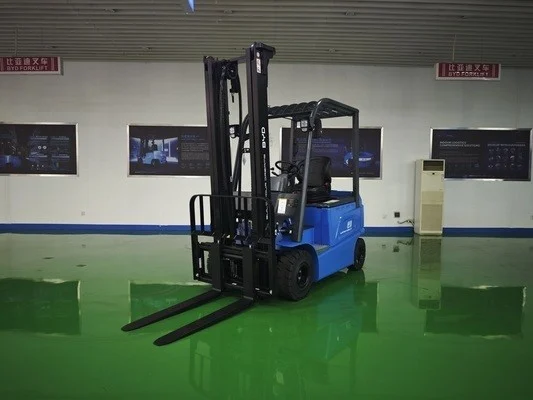
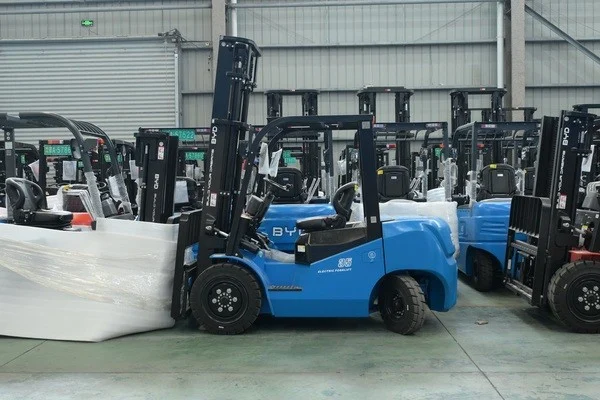
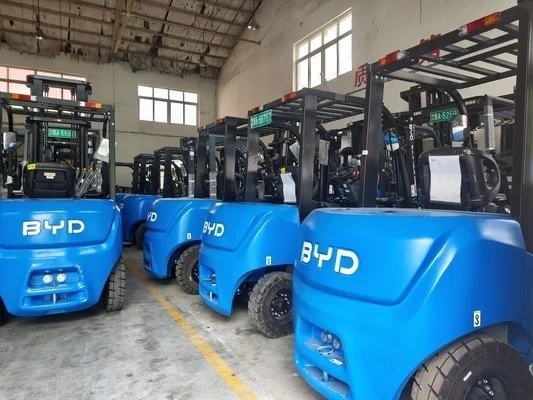
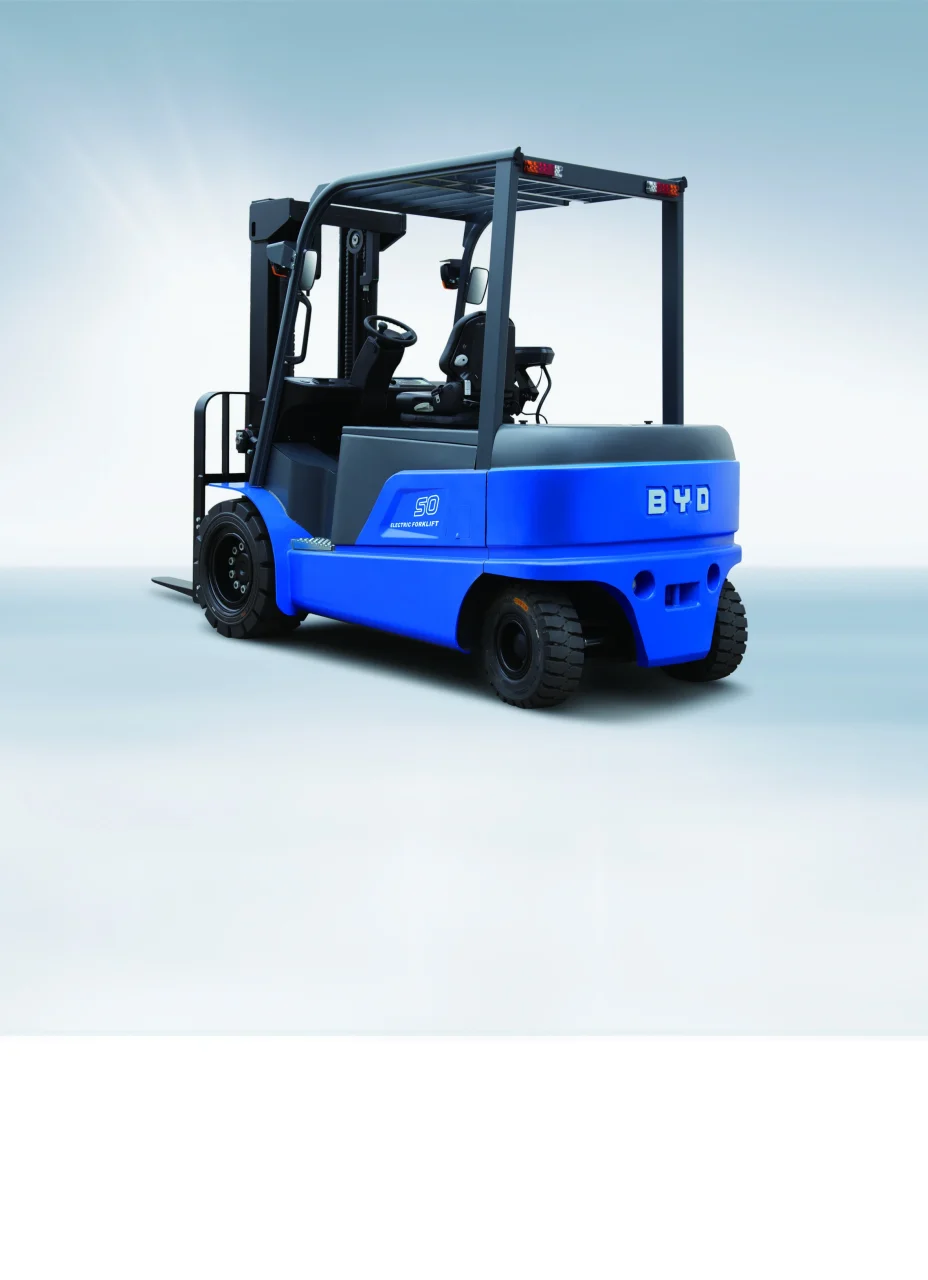
Power source selection ties directly to your site’s operational environment and long term cost structure. Electric forklift trucks produce zero emissions, so they work well within enclosed indoor food storage, pharmaceutical facilities, and other restricted access spaces. They require dedicated charging stations, and shift schedules must accommodate battery swaps or charging breaks. Internal combustion (IC) models run on propane, diesel, or gasoline. They deliver higher torque suited to heavy outdoor loads, and refuel faster than electric units. IC models produce exhaust emissions, so they need well ventilated open air operating environments.
Additional Site-Specific Factors To Prioritize
Beyond core specifications, several operational factors impact long term satisfaction with your forklift truck investment.
Daily Operating Hours And Usage Intensity
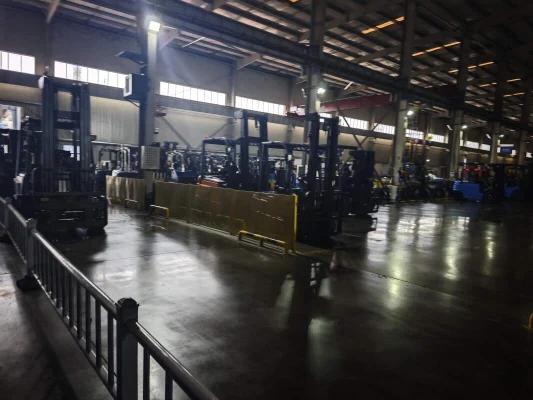
High volume distribution centers run 24/7, so they need units built to withstand continuous heavy use. Rental units suit seasonal peak demand, while owned units fit ongoing daily operations. High intensity use requires extended warranty coverage and easy access to local service technicians. Low intensity use, such as small retail stock rooms, can accommodate smaller, lower capacity units with lower upfront costs.
Environmental Compliance Requirements
Many local regulations set emissions limits governing industrial equipment operating within city limits or near residential areas. Electric models automatically meet most strict emissions standards. Some regions restrict diesel engine use within enclosed or populated areas, so confirm local rules before finalizing your IC model purchase. Cold storage operations need specialized seals and hydraulic fluid designed to withstand sub-zero temperatures; standard units fail quickly within these harsh environments.
Frequently Asked Questions
Do I need new or used forklift trucks?
The answer depends on your budget and operational intensity. New units come with full manufacturer warranties and the latest safety features, so they fit high volume ongoing operations. Used units offer lower upfront cost, but require thorough inspection by a qualified technician before purchase. Always check operating hours and maintenance documentation on any used unit to avoid unexpected repair costs.
How does operator skill impact forklift selection?
Complex units such as VNA reach trucks require specialized training and certification. If your site relies on multiple part-time or new operators, simpler stand-up or counterbalance models reduce training time and accident risk. Newer models include advanced safety features such as automatic speed reduction in turns and collision detection, which offset less experienced operator error.
Can rental forklift trucks match long term operational needs?
Rental works best when covering seasonal peak demand, short term projects, or when you test a specific model before purchase. Long term rental costs often exceed purchase costs over multiple years, so owned units work better with permanent ongoing operations. Many suppliers offer rent-to-own programs that let you apply rental payments toward final purchase if the unit meets your site’s needs.
What safety features rank highest across most worksites?
Standard essential features include seat belts, overhead guards, and load backrests. Additional high value features include automatic parking brakes, anti-tip technology, and proximity sensors that alert operators to nearby workers or obstacles. Cold storage operations need heated cabs to support operator comfort, while high lift applications need clear load viewing cameras.
Final Actionable Selection Steps
Before you contact suppliers, document your site’s core operational requirements first. Measure aisle width, maximum lift height, and your heaviest regular load including attachments. Note your operating environment (indoor, outdoor, cold storage, rough terrain) and average daily operating hours. Use this documentation to narrow options to units that meet all your core criteria, then test units on your own worksite whenever possible. Testing reveals unforeseen issues such as poor fit in tight aisles or insufficient power matching your regular loads, before you commit to purchase or long term rental.