How Daily Operational Hour Requirements Impact Electric Forklift Price
News 19/10/2026
Buyers often overlook daily operational hour needs when budgeting, but this factor directly shapes electric forklift price. Different hourly demands require different battery capacity, motor durability and build quality, all of which change upfront costs and long term ownership expenses. Understanding these links helps you avoid unexpected costs and select a unit that matches your actual operational needs.
Key Components That Tie Daily Operating Hours To Electric Forklift Price
Battery Capacity And Chemistry
Operations running 8 hours or less per shift can use smaller lead acid batteries, which keep initial purchase costs lower. Multi shift operations running 16+ hours daily need larger battery banks or fast charging lithium ion batteries. Lithium ion units carry higher upfront price tags, but support more charge cycles without frequent replacement. This makes them ideal for operations that run extended daily hours.
Motor And Component Durability Ratings
Continuous daily use puts more stress on motors, drive trains and hydraulic systems. Manufacturers build heavy duty variants rated to handle constant use. These components cost more to produce, so they push the total electric forklift price upward. Light duty units built for occasional use use less robust components, keeping costs lower.
Cooling And Maintenance Systems
Continuous operation generates more heat. Units built to handle long daily hours include upgraded cooling systems to prevent overheating. These added components increase production costs that pass directly to buyers. Even small upgrades add to the final electric forklift price, while delivering the reliability needed extended use requires.
How Different Hourly Ranges Change Upfront And Long Term Costs
Below is a general breakdown of electric forklift price ranges based on common daily operational hour requirements. These values reflect entry to mid tier units, and do not include premium features or high lift capacity variants:
| Daily Operational Hour Range | Typical Upfront Price Range | Required Standard Upgrades |
|---|---|---|
| Up to 4 hours | $15,000 – $25,000 | None, standard light duty components |
| 4 – 8 hours | $22,000 – $35,000 | Mid capacity battery, enhanced motor cooling |
| 8 – 16 hours | $30,000 – $45,000 | High capacity battery or extra spare battery |
| 16+ hours (multi shift) | $35,000 – $60,000+ | Lithium ion battery, heavy duty drive train, industrial cooling |
Actual prices vary by manufacturer, lift capacity and additional features like enclosed cabins or advanced telematics. Upfront price increases match the added durability and capacity needed to support longer daily use. Skipping required upgrades leads to faster component failure, higher maintenance costs and shorter equipment lifespan, which increases total cost of ownership even if initial electric forklift price stays lower.
Buyers must balance their initial budget against long term operating costs. A cheaper unit that cannot handle your daily hours will cost more over its working life than a properly priced unit matched to your needs.
Common Tradeoffs When Selecting A Unit Matching Your Operational Needs
When you narrow your options based on daily operational hours, you will face several common tradeoffs that impact electric forklift price:
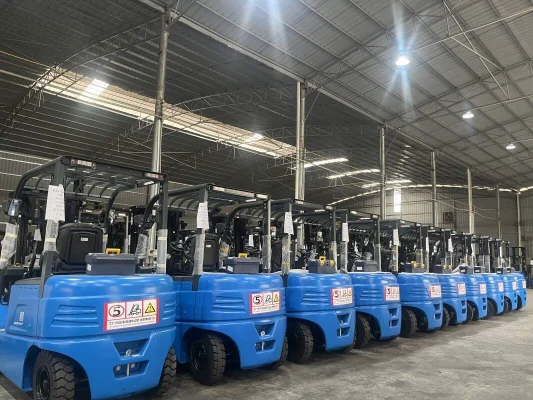
- Upfront cost vs long term maintenance: Higher priced units built to handle long hours require less frequent component replacement, reducing annual maintenance spending.
- Battery type selection: Lead acid batteries lower initial electric forklift price, but need more frequent replacement and longer charging times. Lithium ion increases upfront price, but supports fast charging and lasts 2-3 times longer than lead acid in high use applications.
- New vs used options: Used units lower initial cost, but remaining component life may not align with your daily operational demands, leading to early replacement.
Always document your maximum expected daily operational hours before you start comparing prices. Many buyers underestimate future growth, so build a small buffer into your hour requirements to avoid outgrowing your forklift within a few years of purchase. If your operational hours vary seasonally, you can explore options like rental units during peak periods instead of purchasing a larger unit you only need part of the year. This keeps your initial investment aligned with your average annual needs.
Frequently Asked Questions
Can I use a light duty electric forklift for longer daily hours if I service it more often?
Increased service can extend life slightly, but light duty components are not designed to handle continuous stress. Even with frequent service, the unit will fail much earlier than a heavy duty unit built to support longer hours. This leads to higher total costs over time, even if the initial electric forklift price is much lower.
Do operational hour requirements impact electric forklift rental rates as well as purchase prices?
Yes, rental providers price units based on expected usage. Units reserved to handle high daily hour use carry higher daily or monthly rates, matching the increased component wear and maintenance needs providers must cover.
What happens if I buy a forklift rated lower than my actual daily operational hours?
Your forklift will experience more frequent breakdowns, require more expensive repairs, and reach end of life much earlier than expected. Most manufacturer warranties do not cover damage from use exceeding the unit rated capacity, so you will pay all repair costs out of pocket.
Matching your daily operational hour requirements to your electric forklift ensures you get the right balance between upfront price and long term reliability. Always confirm the manufacturer rated daily use of any unit you consider, and adjust your budget to meet your actual operational needs, rather than prioritizing the lowest available upfront price.