Understanding Electric Forklift Price Variation Across Common Industrial Lift Classes
News 07/10/2026
When purchasing material handling equipment, electric forklift pricing shifts dramatically based on lift class, design features and intended use. Many first-time buyers face sticker shock when comparing models across different lift classes, without understanding root causes behind price gaps. This guide breaks down variation across common classes and helps you anticipate costs aligned with your operational needs.
Core Classes of Electric Forklifts and Typical Price Ranges
Class 1: Counterbalance Electric Sit-Down Rider Forklifts
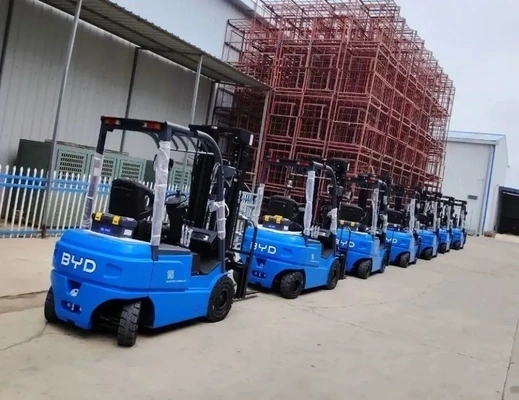
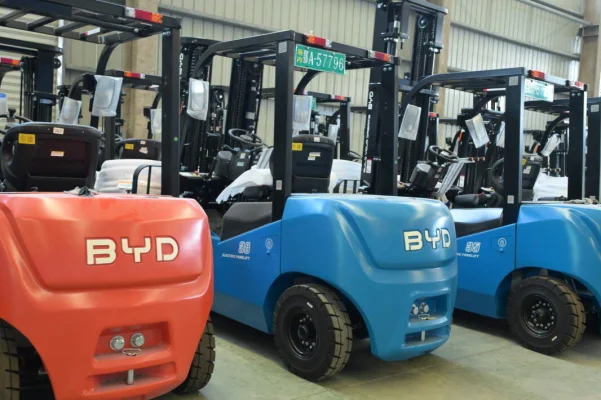
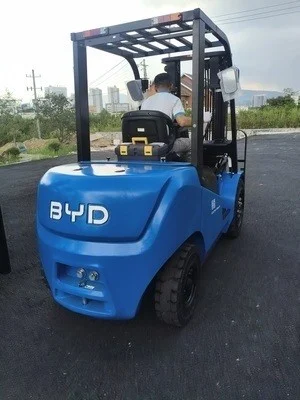
Class 1 models serve most indoor warehouse and storage operations. They use solid tires, move loads between 3,000 and 10,000 pounds, and rely on lead-acid or lithium-ion battery power. Entry-level 3,000-pound capacity models start around $20,000, and high-capacity units with lithium-ion batteries can reach $45,000+. Larger lift capacity and advanced battery technology drive most upward price movement in this class.
Class 2: Electric Narrow Aisle Forklifts
Class 2 units are purpose-built to handle high-density storage facilities with tight aisle spaces. They include reach trucks and order pickers designed to maximize vertical storage. Basic entry-level reach trucks start near $25,000, and high-lift order pickers with advanced automation features can exceed $60,000. The specialized design required to operate in tight spaces adds inherent cost compared to general-purpose Class 1 models.
Class 3: Electric Pallet Jacks and Stackers
Class 3 covers walkie pallet jacks, walkie stackers and pallet stackers supporting horizontal transport and low-lift storage tasks. These are the lowest-capacity, most compact electric lift models. Walkie pallet jacks carry prices between $3,000 and $5,000, while electric stackers range from $10,000 to $25,000 based on lift height and capacity. This class offers the lowest entry point to businesses needing electric material handling equipment.
Key Factors That Drive Electric Forklift Price Variation
Battery Type
Lithium-ion batteries add 20% to 40% cost compared to traditional lead-acid batteries. They offer longer service life, faster charging and less maintenance, which justifies the added upfront cost to many operations. Lead-acid batteries remain standard on most entry-level models to keep base prices low.
Lift Capacity and Lift Height
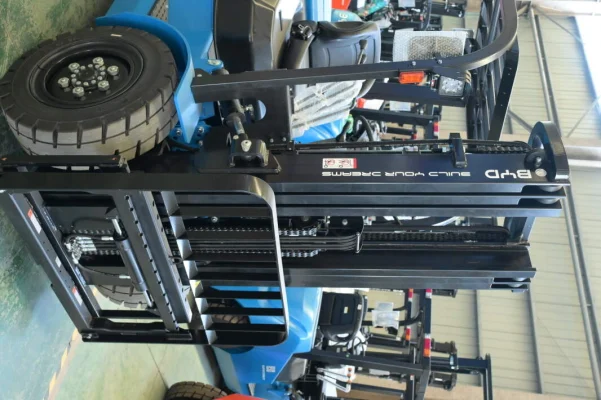
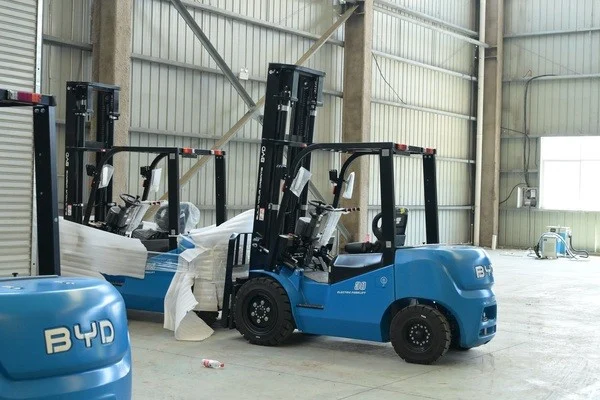
Higher load capacity and greater maximum lift height both increase material and engineering requirements, which pushes prices upward. A 10,000-pound capacity forklift costs nearly twice as much as a 3,000-pound capacity model within the same class, due to stronger frame components and more powerful motors.
Added Features and Automation
Options like side shifters, fork positioners, camera systems, collision detection and semi-autonomous navigation all add incremental cost. Basic models without extra options come with the lowest base prices, while fully loaded smart models carry significant premium price tags.
New vs. used equipment also creates large price gaps. Used electric forklifts often cost 30% to 60% less than equivalent new models, though they come with remaining service life limitations and no full manufacturer warranty.
Frequently Asked Questions
What is the average cost of a standard electric warehouse forklift?
Average costs align directly with lift class. A standard 3,000 to 5,000-pound capacity Class 1 counterbalance forklift costs between $20,000 and $30,000 new. Entry-level Class 3 pallet jacks fall below $5,000, while specialized Class 2 narrow aisle models start above $25,000.
Why do some electric forklifts cost much more than others?
The biggest price gaps stem from differences in lift class, load capacity, battery type and added features. Specialized designs serving narrow aisle operations or high-lift applications require additional engineering that raises production costs. Advanced battery technology and automation features also add significant upfront cost.
Are payment plans available when buying an electric forklift?
Most equipment dealers and manufacturers offer multiple payment structures including outright purchase, lease agreements and installment plans. Terms vary based on your business credit history and equipment value.
Does battery type impact long-term cost beyond upfront price?
Yes. Lithium-ion batteries require less maintenance, eliminate water top-ups, and last two to three times longer than lead-acid batteries. Lower ongoing operating costs offset higher upfront prices over the equipment service life to many operations.
Selection Guidance and Final Considerations
Before you start comparing prices, define your core operational requirements first. Identify your maximum load capacity, maximum lift height, aisle width and work environment to narrow your search to the correct lift class. This helps avoid overspending on features or capacity your operation never uses.
Always factor in long-term operating costs alongside upfront price. A lower-priced lead-acid powered forklift may end up costing more over its service life than a higher-priced lithium-ion model, when accounting for maintenance and battery replacement costs.
Price variation across lift classes follows clear design and functionality patterns, so understanding your specific needs helps you anticipate accurate budget ranges and avoid unexpected costs during your purchasing process.