Industrial Forklift Procurement: Verifying Hydraulic and Battery Specifications Before Purchase
News 03/11/2026
Industrial forklift procurement often stalls at the quotation stage because hydraulic and battery specifications are described too loosely. A supplier may list a rated capacity and battery voltage, but those figures mean little without the conditions that define them. This guide explains which hydraulic and battery details to request, how to read them against your actual workload, and what to confirm before issuing a purchase order. The focus here is four-wheel counterbalance electric forklifts, the type most commonly used in general factory and warehouse handling.
Hydraulic System Details That Affect Load Handling
The hydraulic system converts power into lifting and tilting force. Its specifications determine whether the truck can handle your loads safely at the heights you need, not just at ground level. Request the following from the supplier and compare each item with your operating conditions.
Rated Capacity and Load Center
Rated capacity is tied to a specific load center, usually 500 mm or 600 mm. A truck rated at 2,000 kg at 500 mm may have a lower capacity at 600 mm. Ask the supplier to state both values together and to provide a capacity chart showing how capacity decreases as load center and lift height increase. If your loads are palletized and uniform, measure the actual load center rather than assuming it matches the rating plate.
Lift Height and Mast Type
Lift height requirements depend on your racking and trailer heights. Confirm the maximum fork height and the free lift, especially if you work inside containers or low-clearance areas. Mast type affects visibility and headroom: a two-stage mast is simpler, while a three-stage mast offers higher lift with a collapsed height that may suit low doorways. Ask for the mast dimensions in both lowered and raised positions.
Hydraulic Pressure and Flow
Pressure and flow rates influence lift speed and attachment performance. Suppliers should provide the rated pressure and flow at the pump. If you plan to use attachments such as clamps or sideshifters, confirm that the hydraulic system can supply the required flow and pressure without overheating. Do not accept a generic statement that the system is “powerful enough”; request the numbers and the conditions under which they apply.
Oil Type and Filtration
Hydraulic oil viscosity and filtration affect reliability in different climates. Ask which oil grade the supplier recommends for your ambient temperature range and whether the filtration system includes a return filter. This is a maintenance detail, but it influences long-term performance and should be part of the specification review.
Battery and Charging Specifications to Confirm
Battery choice affects runtime, charging infrastructure, and total cost of ownership. Lithium-ion batteries are common in new electric forklifts, but their specifications must be matched to your shift pattern and charging schedule.
Battery Voltage, Capacity, and Chemistry
Voltage must match the truck’s motor and controller design; never assume a higher voltage is compatible. Capacity is usually given in amp-hours (Ah) or kilowatt-hours (kWh). Request the nominal capacity and the usable capacity, because some manufacturers limit depth of discharge to protect battery life. Confirm the chemistry (lithium iron phosphate, for example) and whether the battery management system (BMS) is integrated with the truck’s display.
Charging Time and Infrastructure
Ask for the charging time from a specified state of charge to full, and the charger input voltage and current. Lithium-ion batteries often support opportunity charging, but the supplier should confirm whether partial charging is allowed and how it affects warranty. Check whether you need a dedicated charging area with ventilation and fire protection, and whether the charger is included or sold separately.
Cycle Life and Warranty Terms
Cycle life claims vary widely and depend on depth of discharge, temperature, and charging habits. Request the test conditions behind any cycle life figure. Warranty terms should state the coverage period, the capacity retention threshold that triggers a replacement, and whether labor is included. Without these details, a warranty headline can be misleading.
Battery Dimensions and Weight
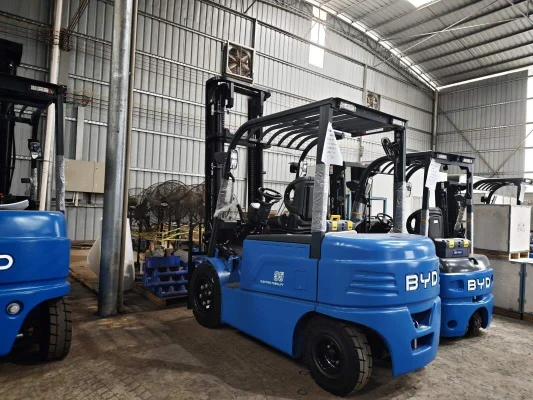
Battery weight contributes to the truck’s stability. Confirm the battery’s physical dimensions and weight, and ensure the compartment and counterweight are designed for that battery. A replacement battery with different dimensions may not fit or may alter the center of gravity.
Cross-Checking Specifications Against Your Operating Conditions
Specifications only make sense when compared with the work the truck will do. Use the following checklist during the procurement review. Adjust the questions to your site; the list is a starting point, not a universal standard.
- Load weight and center: Measure the heaviest loads and their load centers. Compare with the capacity chart at the required lift height.
- Lift height and headroom: Confirm racking heights, door clearances, and any container work. Check mast collapsed height and free lift.
- Shift pattern: Estimate hours per shift and whether the truck will run continuously. Match battery capacity and charging windows to this pattern.
- Floor and aisle conditions: Note surface type, slope, and aisle width. These affect tire choice, braking, and hydraulic performance.
- Charging location: Verify available power supply, ventilation, and space. Confirm charger compatibility with the battery.
- Attachments: List any attachments and confirm hydraulic flow and pressure requirements with the supplier.
If any item is unclear, ask the supplier to provide a written specification sheet with test conditions. Do not rely on verbal assurances or generic brochures. A supplier who cannot provide these details may not be able to support the truck after delivery.
Frequently Asked Questions
Can I use a higher-capacity battery than the original specification?
Sometimes, but it depends on the truck’s design. A larger battery may exceed the compartment dimensions or change the weight distribution. Confirm with the supplier that the battery management system and charger are compatible, and that the warranty remains valid. Do not assume that more capacity is always safe or beneficial.
What hydraulic tests should be performed at delivery?
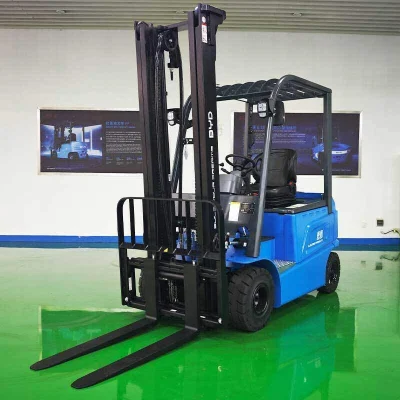
At minimum, check for leaks, verify lift and tilt speeds against the specification, and test the overload protection if fitted. Ask the supplier for a delivery checklist that includes hydraulic pressure and flow verification. These checks should be done before the truck enters service.
How do I verify the battery’s actual capacity?
Request a capacity test report from the supplier, or perform a controlled discharge test with a qualified technician. The test should state the discharge rate, temperature, and cutoff voltage. Without these conditions, a capacity figure is not comparable.
Are lithium-ion batteries suitable for multi-shift operations?
They can be, if the charging strategy matches the shift pattern. Opportunity charging during breaks may extend runtime, but the supplier must confirm that the battery and charger support it. For heavy multi-shift use, consider whether a spare battery or a larger capacity is more practical.
Before finalizing an industrial forklift purchase, request a written specification sheet covering hydraulic pressure, flow, capacity chart, battery voltage, capacity, charging time, and warranty terms. Compare each item with your measured loads, lift heights, and shift schedule. If you are considering a four-wheel counterbalance electric forklift, share your actual operating conditions with the supplier so they can recommend a configuration that matches your needs, rather than a generic model.