Comparing Lead-Acid and Lithium Configurations in a Four-Wheel Counterbalance Electric Forklift Purchase: What Changes Across Charging, Maintenance and Multi-Shift Use
News 07/11/2026
Choosing between lead-acid and lithium power in a four-wheel counterbalance electric forklift changes more than the battery label. The decision touches charging infrastructure, daily maintenance routines, shift patterns and how the truck is scheduled. Buyers searching an electric forklift for sale often compare headline prices first, yet the operating model behind each chemistry usually matters more than the purchase price difference. This comparison sets both options against the same criteria so you can judge which configuration fits your operation, and where each one creates constraints.
Same Truck, Different Power Model
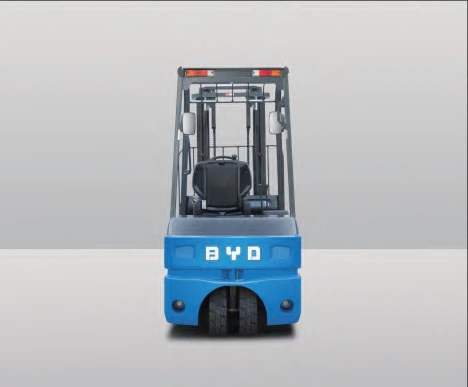
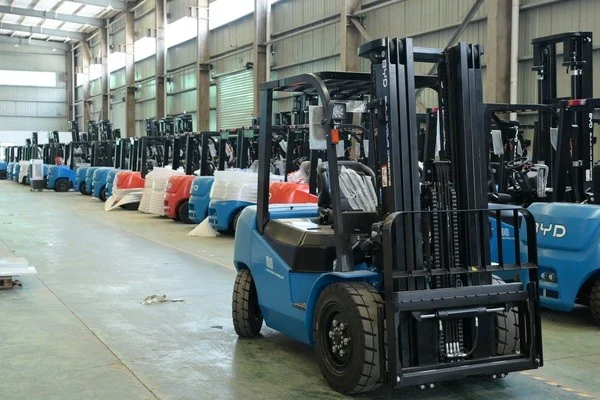
In a four-wheel counterbalance electric forklift, the battery is not a standalone accessory. Its chemistry affects charging time, where charging can happen, how much space the charging area needs, and how operators plan their day. The chassis, mast, load capacity and lift height are separate specification decisions; the power choice sits alongside them.
Lead-acid batteries have a long service history in industrial trucks and are widely supported. Lithium batteries, including the lithium packs used in BYD four-wheel counterbalance electric forklifts, are a newer configuration with different charging behavior. Neither is universally better. The right answer depends on your duty cycle, available power supply, shift structure and maintenance resources.
Charging: Time, Location and Infrastructure
Lead-Acid Charging Behavior
Lead-acid batteries are typically charged with conventional chargers and often need a dedicated charging room or bay with ventilation and spill containment. Charging usually takes hours, and many operations charge during breaks or between shifts rather than during active work. Battery changing or swapping is a common practice when continuous coverage is needed.
These points are general characteristics of lead-acid technology, not measured results from a specific site. Actual charging time depends on battery capacity, charger output, depth of discharge and the manufacturer’s instructions.
Lithium Charging Behavior
Lithium batteries generally accept opportunity charging more readily, meaning short charging sessions during breaks can add usable runtime without a full cycle. This can reduce the need to remove or swap batteries. Charging equipment and electrical requirements vary by supplier, so the charger specification and facility power supply must be confirmed before purchase.
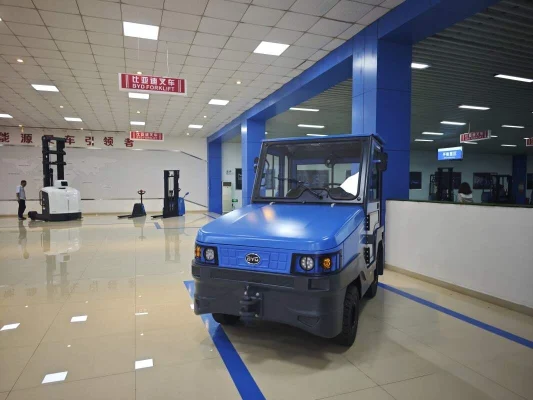
Do not assume lithium removes all charging constraints. Charger availability, connection type, ventilation requirements and site electrical capacity still need checking. Ask the supplier which charger is matched to the specific truck and what charging profile is recommended.
Infrastructure Checklist
- Available electrical supply and charger compatibility
- Space allocated to charging or battery changing
- Ventilation and any local requirements
- Whether charging happens during shifts or only between them
- Who monitors charging and how faults are reported
Maintenance and Daily Routines
Lead-acid batteries require regular water topping, terminal cleaning and inspection, and they need correct charging habits to avoid damage. These tasks are routine but they consume labor and need a responsible person. Spills and acid exposure are handling risks that require appropriate procedures.
Lithium batteries generally require less routine water maintenance because they are sealed systems. That does not mean zero maintenance: battery management electronics, charger condition and connection points still need inspection. The overall maintenance burden also depends on the truck itself, including hydraulic systems, brakes, tires and mast components, which are common to both configurations.
A practical comparison is to list the tasks your team already performs and ask which additional tasks each battery type adds. If your site has limited maintenance staffing, that difference may outweigh other factors.
Multi-Shift Use and Duty Cycles
Multi-shift operations are where the two configurations diverge most clearly. With lead-acid, a common approach is one battery per truck with a scheduled charging window, or multiple batteries with swapping. With lithium, opportunity charging during breaks may allow a single battery to cover longer working periods, depending on duty cycle and charger availability.
These are general patterns, not guarantees. Real coverage depends on hours of actual use, load weight, lift height, travel distance, ambient temperature and the state of the battery. A truck working heavy loads at high lift heights will draw more energy than one doing light horizontal transport.
Questions to Answer Before Choosing
- How many hours per day does the truck actually operate?
- Are there planned breaks long enough to add charge?
- Is battery swapping feasible in your layout?
- What is the heaviest load and the highest lift required?
- What is the ambient temperature in the working area?
Side-by-Side Comparison
| Criterion | Lead-Acid | Lithium |
|---|---|---|
| Charging pattern | Usually longer, scheduled sessions | Often suited to opportunity charging |
| Battery changing | Common in multi-shift sites | May be reduced, depending on duty cycle |
| Routine water topping | Required | Generally not required |
| Handling risks | Acid and spill procedures needed | Different electrical and thermal considerations |
| Infrastructure | Charging room and ventilation often needed | Charger and power supply must be confirmed |
This table describes general technology characteristics. It does not state performance figures for any specific product. Confirm exact specifications with the supplier’s technical documentation.
Frequently Asked Questions
Does lithium always cost less over the life of the truck?
No blanket answer applies. Purchase price, energy cost, maintenance labor, battery life and replacement timing all vary by supplier and site. Compare quoted prices and documented specifications rather than assuming one chemistry wins.
Can a lead-acid truck be converted to lithium later?
Conversion may be possible, but it depends on the truck model, battery compartment, charger and supplier approval. Treat conversion as a separate engineering question and confirm it in writing before relying on it.
Is opportunity charging safe during short breaks?
It can be, provided the charger, battery and connection system are designed and approved for that use. Follow the manufacturer’s instructions and do not improvise charging connections.
Which configuration suits a single-shift operation?
Either can work. A single-shift site with a reliable charging window may find lead-acid adequate, while a site wanting simpler daily routines may prefer lithium. The decision should follow actual hours, loads and available infrastructure.
What should I include in a supplier inquiry?
Provide operating hours, load weight, lift height, aisle width, floor and ramp conditions, charging location and power supply. These details let the supplier propose a four-wheel counterbalance electric forklift configuration that matches the work rather than a generic package.
Before committing, request the battery and charger specifications in writing, confirm the warranty terms, and check that the proposed configuration matches your shift pattern. If your operation involves heavy loads, high lifts or limited charging windows, share those conditions with the supplier so the recommendation is based on your actual use.