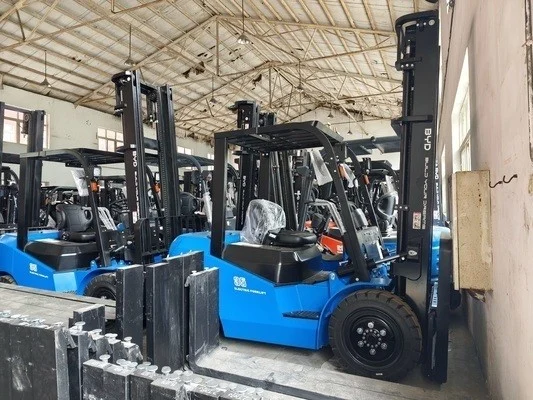
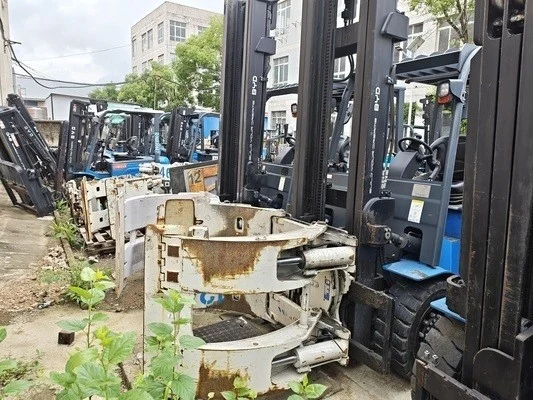
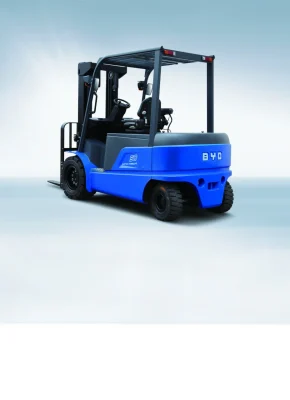
Cold Chain Rated Electric Forklifts Available Meeting Temperature-Controlled Warehouse and Distribution Center Operational Requirements
News 18/10/2026
Businesses operating temperature-controlled warehouses and distribution centers need specialized equipment built to withstand consistent low temperatures and frequent temperature swings. Cold chain rated electric forklifts address unique operational challenges standard units cannot handle, and multiple options fit different facility layouts and task types. Below we break down key selection criteria, configuration checks, and critical questions you need to address before placing your order.
Common Cold Chain Forklift Types and Use Cases
First, match your forklift type to your facility layout, task frequency and temperature range. Cold chain operations split into two broad categories: refrigerated storage (above 0°C) and frozen storage (below 0°C), plus operations that require frequent cross-temperature zone travel.
Counterbalance Electric Forklifts
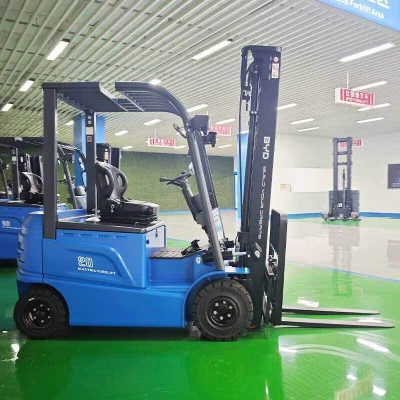
Counterbalance units work well loading and unloading trailers at distribution center docks, where operators move between ambient outdoor temperatures and cold storage zones. These units handle heavier loads and work well with standard pallet sizes in wider aisles. One common tradeoff: larger footprints require wider aisle clearance than reach or stacker models.
Reach Forklifts
Reach forklifts fit narrow aisle high-bay cold storage warehouses, common in modern distribution centers with high storage density. These units deliver higher lift heights than counterbalance models, making them ideal supporting long-term inventory storage in cold environments.
Pallet Jacks and Stackers
Walkie pallet jacks and stacker units handle horizontal transport and low-level stacking in cold storage. These lower-cost options serve facilities with high-volume low-lift tasks, such as case picking food and beverage inventory. Most pedestrian models can get cold chain rated configurations, but confirm operational limits before purchase.
Key Configuration Requirements Your Cold Chain Operation Needs
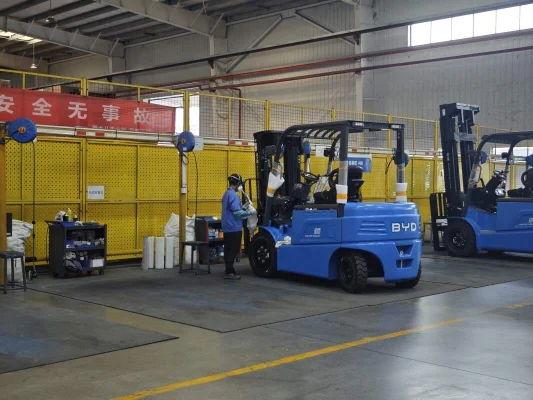
Not all electric forklifts marketed toward cold chain use include all protections your facility needs. Break down your checks into core categories below:
- Temperature Ratings: Confirm both lowest continuous operating temperature and lowest acceptable charging temperature. Battery performance drops significantly in low temperatures, so you must verify ratings match your facility’s actual cold storage temperature, not generic industry estimates.
- Battery and BMS Configuration: Ask your supplier whether the battery management system includes low-temperature preheating, and whether available capacity meets your full shift requirements at your operating temperature. Some facilities require battery swaps mid-shift if cold temperatures reduce capacity, so confirm swap compatibility if your operation runs multiple continuous shifts.
- Environmental Sealing and Protection: All wiring harnesses, sensors, display screens and hydraulic components need proper sealing to prevent condensation and ice buildup. Units that cross temperature zones face higher condensation risk, so sealing requirements become more strict for… no, wait, rewrite: Units that cross temperature zones face higher condensation risk, so sealing requirements become more strict with these use cases. Confirm suppliers use cold-resistant hydraulic fluid and low-temperature lubricants matched to your operating temperature range.
- Safety Features: Cold storage floors often get wet or icy, so confirm tire compound and braking systems calibrate to low-friction surfaces. Enclosed cabs need defogging systems to maintain clear operator visibility.
Food and pharmaceutical cold chain operations also require the forklift design supports routine cleaning and avoids harborage points where bacteria can grow. Pharmaceutical operations may also require documentation supporting traceability of key components, so request this documentation from your supplier ahead of time.
Comparison of Common Cold Chain Electric Forklift Setups
Use the table below to organize your comparisons. All specifications require verification from your chosen supplier, as configurations vary across manufacturers.
| Forklift Type | Best Suited Temperature Range | Core Facility Requirements | Standard Cold Chain Config | Common Optional Upgrades |
|---|---|---|---|---|
| Counterbalance Electric | All cold chain types, including frequent cross-zone travel | Aisles 10+ feet wide, dock loading tasks | Basic sealed connections, cold-resistant lubricant | Battery heating, enclosed cab with defog, corrosion-resistant coating |
| Narrow Aisle Reach | Static long-term cold storage | Narrow aisles 6-8 feet wide, high lift heights | Sealed sensors and hydraulic lines | Cold temperature BMS calibration, anti-condensation protection |
| Walkie Pallet Jack | Refrigerated storage, low intensity tasks | Ground level horizontal transport | Sealed control panel | Cold rated battery, low-temperature tires |
Before you finalize your order, create a checklist of your facility specific requirements: include your lowest operating temperature, maximum load weight, maximum lift height, aisle width, and daily operational hours. Share this checklist with your supplier to confirm their offered unit meets all your needs. If your operation requires cross-temperature travel, highlight this requirement to ensure your unit includes extra anti-condensation protection.
Frequently Asked Questions
Can standard electric forklifts work inside cold storage?
Standard electric forklifts lack cold-specific sealing, lubrication and battery calibration. Continuous operation in low temperatures leads to premature component failure, including cracked seals, dead batteries and corroded wiring. Short intermittent trips across temperature zones may work with temporary adjustments, but long-term use requires a properly rated unit. Always confirm operational limits with your supplier before use.
What should I check during final acceptance of a new cold chain rated forklift?
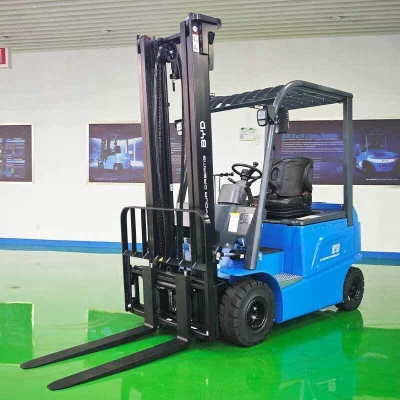
First, verify all cold-specific components match your agreed configuration: check sealing on all external connections, confirm cold-resistant hydraulic fluid was installed, and test any battery heating or defogging systems. Test operation at your facility’s lowest expected temperature to confirm battery capacity and control response match the supplier’s stated performance. Request documentation of all cold chain rated components for your maintenance records. Wait, no, for here: remove, rewrite as Request documentation of all cold chain rated components to add to your maintenance records.
Do cold chain rated electric forklifts need more frequent maintenance?
Maintenance schedules depend on your operating temperature and how often your unit crosses temperature zones. Units in frozen storage or cross-zone operation need more frequent inspections of seals, wiring and battery health. Follow your manufacturer’s recommended maintenance schedule, and adjust inspection frequency based on your actual operating conditions. Keep all maintenance records aligned with your cold chain compliance requirements if you work with food or pharmaceutical products.