LiFePO4 Forklift Selection: Common Missteps and Applicable Operating Conditions
News 04/10/2026
A LiFePO4 forklift uses lithium iron phosphate battery packs as its primary power source, instead of traditional lead-acid batteries or internal combustion engines. These forklifts deliver consistent power output, longer cycle life, and lower maintenance requirements compared to older power options. Many facilities consider them to replace older fleets, but selection errors lead to wasted investment and poor performance.
Common Selection Missteps To Avoid
Overestimating Or Underestimating Required Power Capacity
Many buyers select higher capacity batteries than their operations actually need, driving up upfront costs unnecessarily. Others underestimate capacity, leading to mid-shift downtime that halts warehouse operations. Power needs directly tie to daily run time, load weight, and travel distance across your facility. Calculate total daily energy use before finalizing battery specs to avoid this costly misstep.
Ignoring Ambient Temperature Constraints
LiFePO4 chemistry performs poorly outside its ideal temperature range, but many buyers overlook this factor when purchasing units used in unconditioned spaces. Extremely cold temperatures slow chemical reactions inside the battery, reducing run time and total output. High temperatures accelerate cell degradation, cutting overall battery life short. Most manufacturers offer temperature-regulated battery packs designed to handle extreme environments, but these add cost. Confirm your facility’s ambient temperature range before selecting a unit.
Skipping Charging Infrastructure Compatibility Checks
LiFePO4 batteries require specific chargers matched to their voltage and battery management system design. Some buyers assume existing lead-acid chargers work with new LiFePO4 forklifts, leading to incompatible setups that cause damage or slow charging. Slow charging extends shift times, while mismatched chargers can trigger battery management system safety shutoffs. Always confirm charger requirements and compatibility with your facility’s electrical service before taking delivery.
Disregarding Chassis And Load Capacity Tradeoffs
Larger LiFePO4 battery packs add extra weight to the forklift chassis, which can alter original load capacity ratings. Some buyers focus solely on extending battery life, ignoring how extra battery weight changes the maximum safe load the forklift can lift. This creates unsafe operating conditions and increases wear on chassis components over time. Always cross-check combined battery and chassis load ratings against your facility’s typical load requirements.
Applicable Operating Conditions Matching LiFePO4 Forklifts
Controlled Ambient Temperature Ranges
Most standard LiFePO4 forklifts operate best between 10°C and 35°C (50°F and 95°F). Extended operation outside this range requires specialized battery thermal management. Facilities with consistently controlled indoor temperatures, like most modern warehouses and distribution centers, fit this range perfectly. Facilities with occasional exposure to mild temperature shifts outside the ideal range can still use standard units, but expect minor reductions in battery run time during extreme periods.
High-Intensity Multi-Shift Operations
LiFePO4 forklifts support multi-shift operations thanks to opportunity charging capabilities. Unlike lead-acid batteries, LiFePO4 units accept partial charges without damaging cell health, so operators can top up power during scheduled breaks. This eliminates labor associated with mid-shift battery swaps, keeping operations running smoothly. Low-intensity operations, with less than 4 hours of daily use, often do not justify the higher upfront cost of LiFePO4 technology compared to lead-acid options.
Enclosed Indoor Spaces With Low Emission Goals
LiFePO4 forklifts produce zero tailpipe emissions, so they work safely in indoor facilities with limited ventilation. This eliminates health risks associated with internal combustion engine exhaust, which accumulates in enclosed spaces. Facilities focused on reducing their overall carbon footprint also benefit from lower lifecycle emissions linked to LiFePO4 battery production and operation compared to other power sources.
Large Facilities With Long Travel Distances
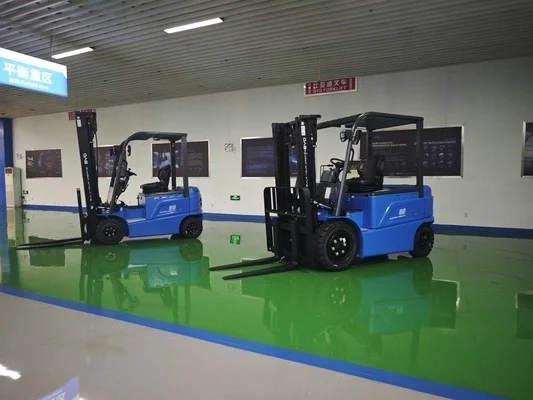
Large distribution centers with long travel distances between loading docks and storage areas rely on LiFePO4 forklifts’ consistent power output. Unlike lead-acid batteries that see voltage drop as they discharge, LiFePO4 batteries maintain consistent voltage throughout the entire discharge cycle. This keeps lift and travel speed consistent, even when the battery nears full discharge. Smaller facilities with short travel distances and low daily use may find lead-acid forklifts deliver more favorable total cost of ownership.
Frequently Asked Questions
Can LiFePO4 forklifts operate in cold storage facilities?
Specialized LiFePO4 forklifts with integrated battery heating systems work safely and effectively in cold storage environments. Standard unmodified LiFePO4 batteries lose up to 50% of their capacity at temperatures below 0°C (32°F), so always select units built specifically to handle cold environments if your facility stores frozen goods.
Are LiFePO4 forklifts more costly than other forklift types?
Upfront purchase costs are higher than comparable lead-acid forklifts, but lower maintenance costs, longer battery life, and reduced downtime often lower total cost of ownership over the equipment lifespan. Higher initial cost makes them less ideal for low-intensity operations that see infrequent use.
Do LiFePO4 forklifts require special routine maintenance?
LiFePO4 forklifts require far less routine maintenance than lead-acid or internal combustion forklifts. Owners do not need to check water levels, clean corrosion, or complete equalization charges, steps required with lead-acid batteries. Regular inspection of tire pressure, brake function, and battery management system diagnostics remains necessary to keep units in good working order.
Can I retrofit an older lead-acid forklift to use a LiFePO4 battery?
Many older lead-acid forklifts accept LiFePO4 battery retrofits, but you must confirm compatibility with the forklift’s charging system, voltage requirements, and chassis weight capacity. Improper retrofits lead to safety risks and poor performance, so always work with a qualified technician to complete this conversion.
Actionable Selection Next Steps
Selecting a LiFePO4 forklift requires careful evaluation of your facility’s unique operating conditions, and intentional avoidance of common selection missteps that lead to wasted investment. Match battery capacity to your calculated daily energy needs, confirm temperature compatibility with your facility, check charging infrastructure requirements, and verify load capacity ratings before completing your purchase. LiFePO4 forklifts deliver significant benefits for high-intensity, indoor, multi-shift operations, but may not offer the best long-term value for low-intensity, unconditioned, or small-scale operations. Align your selection with your specific operational needs to get the best long-term value from your new equipment investment.