LiFePO4 Forklift Performance in Cold Climate Industrial Operating Environments: Key Limits and Mitigation Approaches
News 11/10/2026
LiFePO4 batteries power growing numbers of industrial forklifts across global logistics and manufacturing sites. Operations located in regions with consistent cold temperatures need clear insight into how these batteries perform, what limits exist, and what steps reduce operational disruptions. This guide breaks down key details relevant to decision-makers and daily operators alike.
Core Performance Limits LiFePO4 Forklifts Face Under Cold Conditions
Low external temperatures change how LiFePO4 batteries interact with forklift power systems. Most limitations tie directly to increased internal battery resistance caused by reduced molecular activity at sub-zero temperatures.
Reduced Available Energy Capacity
Below 0°C (32°F), standard unmanaged LiFePO4 batteries typically deliver 10-30% less usable energy than they deliver at room temperature. This shorter run time means more frequent charging breaks, which lowers overall site productivity. The exact reduction varies based on battery design and how cold temperatures get.
Slower Charging Speeds
Cold batteries cannot accept charge at their rated maximum speed. Charging rates drop sharply below 0°C, increasing time needed to bring batteries back to full capacity. Repeated cold charging also creates higher risk long-term battery degradation.
Reduced Power Output
Heavy lifting operations demand high peak power from forklift batteries. Cold conditions lower peak power output, which can slow lifting speeds and reduce maximum load capacity for some units. Wait no, that has for, change to: which can slow lifting speeds and reduce maximum load capacity across some units.
Common Cold Climate Industrial Operating Scenarios
LiFePO4 forklift cold weather performance matters most in specific industrial settings. These include:
- Outdoor logistics yards located in northern regions with extended sub-zero winter seasons
- Refrigerated warehouses and cold storage facilities that maintain constant sub-zero internal temperatures
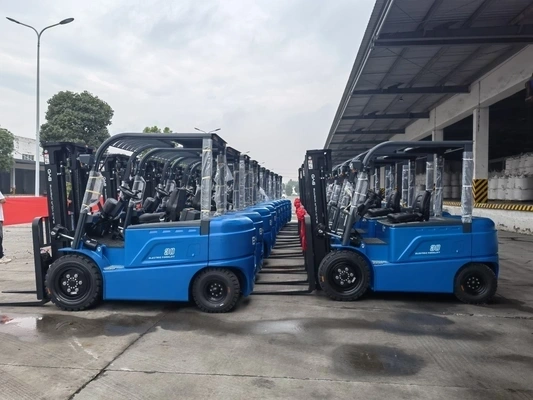
- Port and intermodal facilities that leave forklifts parked outside between shifts
- Mining and construction sites that operate through cold winter months in remote areas
Each scenario brings different challenges. Outdoor winter operations face variable temperatures and extended exposure, while cold storage facilities deliver constant low temperatures regardless of external weather.
Actionable Mitigation Approaches
Operators can address most cold-related performance issues with targeted design changes and operational adjustments. Common effective approaches include:
Integrated Battery Thermal Preheating Systems
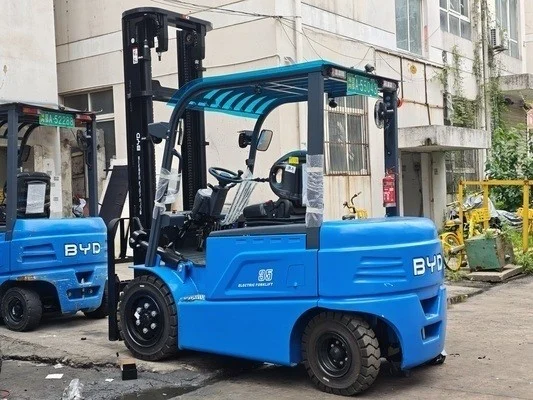
Modern LiFePO4 forklift models often include built-in thermal management that warms batteries to optimal operating temperature before use. These systems activate automatically when external temperatures drop below a set threshold, keeping battery performance consistent even in sub-zero conditions.
Adjusted Operational Routines
Shift scheduling can align charging periods with times when batteries can stay in heated spaces. Operators can also park forklifts in heated garages or storage areas during off shifts, rather than leaving them exposed to extreme cold. Full shift operations keep batteries warm through normal use, reducing performance loss during active work.
Proper Capacity Sizing
Facilities facing consistent cold can size batteries 10-20% larger than their room temperature requirement. This extra capacity offsets the expected energy capacity reduction, maintaining sufficient run time through full work shifts.
Key Selection Guidance Operations Need
When evaluating LiFePO4 forklifts intended use in cold climate environments, prioritize these factors:
- Confirm the unit includes factory integrated thermal management. Aftermarket add-ons often deliver less consistent results than built-in systems designed alongside the battery pack.
- Request manufacturer specifications outlining performance at your site’s typical lowest operating temperature. Do not rely on room temperature ratings alone.
- Account for parking and storage availability. If you cannot park forklifts in heated spaces during off shifts, prioritize models with stronger passive insulation and active heating.
- Compare long-term warranty terms. Some manufacturers offer extended warranties covering cold-related degradation when proper thermal management is in place.
Frequently Asked Questions
What minimum operating temperature counts as safe LiFePO4 forklift use?
Most standard LiFePO4 forklift batteries operate safely down to -20°C (-4°F), but performance drops significantly below 0°C without active thermal management. Always check manufacturer specifications matching your specific battery model.
Can cold temperatures permanently damage LiFePO4 forklift batteries?
Repeated exposure to sub-zero temperatures during charging causes permanent lithium plating on battery anodes, which reduces overall battery lifespan. Pre-charge heating eliminates most long-term damage risk.
Do LiFePO4 forklifts work reliably in cold storage facilities?
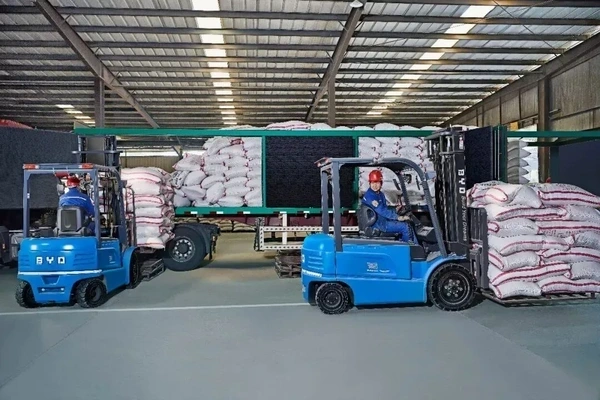
LiFePO4 forklifts equipped with active thermal management work reliably in constant cold storage environments. Without thermal management, performance and lifespan drop enough to make them poor choices within these settings.
Understanding performance limits and applying targeted mitigation steps lets facilities leverage LiFePO4 forklift benefits even in cold climate industrial environments. Proper selection and operational adjustments address most common issues, delivering reliable long-term service.