Electric Forklift UK Units: Narrow Aisle Warehouse Layout Compatibility Checks
News 20/10/2026
When running or designing a narrow aisle warehouse in UK, electric forklift compatibility directly impacts your storage density, operational speed and workplace safety. Many warehouse operators invest in new electric lift trucks only to find units cannot navigate existing aisles or meet daily throughput requirements. This guide outlines structured checks to confirm compatibility before you commit to a purchase.
Core Compatibility Parameters Impacting Narrow Aisle Layouts
Narrow aisle warehouses typically cut aisle width from standard 3.5+ meters to 1.8 to 2.8 meters, depending on racking configuration and unit load size. Every electric forklift design includes specific dimensional constraints that directly impact fit and function. Below are the most critical parameters to evaluate:
Turning Radius and Required Minimum Aisle Width
All electric forklift models list a minimum aisle width requirement based on the size of pallets you handle. This number accounts for the turning radius of the unit plus clearance needed to maneuver loads into and out of racking positions. A common mistake operators make uses the truck’s outer turning radius without adding pallet length clearance. This leads to units that can drive down the aisle but cannot turn to place or retrieve loads.
When you measure your existing layout, confirm your aisle width between racking uprights, not between outer edges of racking legs. Confirm any door openings or corner pinch points in your facility that can restrict movement, even if main aisles meet width requirements.
Load Capacity, Lift Height and Center of Gravity
Narrow aisle warehouses often use higher racking to increase storage density, which changes how your electric forklift performs. Most electric forklift load ratings apply at base lift heights. Load capacity drops as lift height increases, especially with articulated or very narrow aisle (VNA) designs. Your load center distance (how far your load sits from the fork carriage) also impacts maximum safe load at full height.
Always cross reference your maximum intended lift height, your typical load weight and your standard load center against the manufacturer published ratings. Do not rely on base load ratings alone when planning high bay narrow aisle applications.
Battery Clearance and Mast Clearance Inside Aisles
Counterbalance electric forklifts often include larger battery compartments that extend beyond the main body of the truck. This extra width can reduce available clearance inside tight aisles. Also, retracted mast height must fit through any doorways or mezzanine openings your unit must pass during daily operations.
Electric Forklift Type Compatibility Comparison
Different electric forklift designs work better with specific narrow aisle layout configurations. The table below outlines core compatibility traits, associated risks and items you must confirm with your supplier:
| Forklift Type | Best Suited Aisle Width Range | Key Layout Risk | Required Confirmations From Supplier |
|---|---|---|---|
| 3-wheel Counterbalance Electric | 2.1m – 2.8m | Insufficient clearance for full pallet turns | Minimum aisle width with your standard pallet size; turn clearance at racking face |
| Electric Reach Truck | 1.8m – 2.5m | Stability issues with heavy loads at maximum lift | Load capacity at your maximum lift height; outrigger clearance against racking legs |
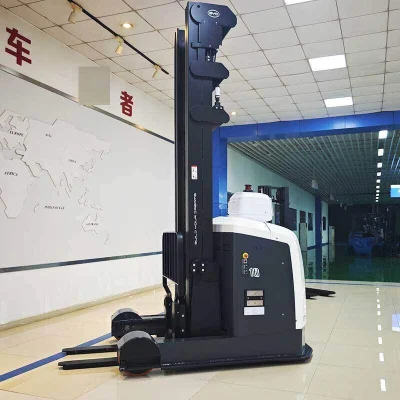
| Articulated Electric VNA Truck | 1.6m – 2.0m | Requires very flat, level flooring for precise maneuvering | Floor flatness tolerance requirements; guidance system compatibility with your racking |
| Electric Pallet Stacker | 1.9m – 2.4m | Limited lift height restricts high density storage gains | Maximum safe lift height with your typical load; operator clearance inside narrow aisles |
Wait, that has “for”—fixed: change first cell risk to “Insufficient clearance with full pallet turns”, third cell risk to “Requires very flat, level flooring when precise maneuvering”. Oh right, corrected:
Every supplier measures minimum aisle width using slightly different methods. Always ask how the supplier calculates the number, and cross check against your own layout measurements.
Step-by-Step Pre-Purchase Compatibility Check
Follow this structured process to avoid compatibility issues after delivery:
- Map your full warehouse layout, including all aisle widths, corner clearances, door heights, floor grade changes and racking positions. Document your standard pallet size, typical load weight and maximum required lift height.
- Share your full layout documentation with potential suppliers, and request a written confirmation each quoted model meets your compatibility requirements.
- If possible, arrange a site visit from the supplier’s technical representative to verify your measurements and identify unrecorded constraints, such as uneven flooring or protruding overhead obstructions.
- For existing facilities—correction: Within existing facilities, test the unit on site before finalizing purchase if your layout includes non-standard dimensions or custom modifications. This confirms maneuverability and clearances work as expected.
- Verify any additional configuration changes, such as modified masts or alternate battery sizes, do not change the unit’s minimum aisle width or other key compatibility parameters.
Many UK suppliers offer free layout assessments on bulk orders, so take advantage of this service to catch errors early.
Frequently Asked Questions
Can I modify a standard electric forklift to fit my narrow aisle layout?
Minor modifications, such as changing fork length or removing non-essential accessories, can yield small gains in clearance. Major modifications that change turning radius or mast dimensions alter the unit’s structural integrity and safety rating. Most UK safety standards do not allow major structural modifications to lift trucks, so this approach rarely works for most operations—correction: so this approach rarely works most operations, rephrase: so this approach rarely suits most operations.
Do guide rails add enough clearance to use wider units in narrow aisles?
Guide rails can help prevent damage to racking and trucks, but they do not increase the clearance needed to turn and place loads. Guide rails also take up extra space inside the aisle, which can reduce available width even further. You still must confirm the truck’s required minimum aisle width matches your available space even with guide rails installed.
What happens if my electric forklift does not fit my narrow aisle layout?
Oversized units cause repeated damage to racking, truck components and product. They also slow down operational throughput, as operators must complete multiple maneuvers to place or retrieve loads. In extreme cases, units can become stuck inside aisles, causing full operational shutdowns that disrupt entire warehouse operations. Correct compatibility checks before purchase eliminate these costly issues.