How Site Charging Infrastructure Impacts 3 Ton Electric Forklift Operational Efficiency
News 15/10/2026
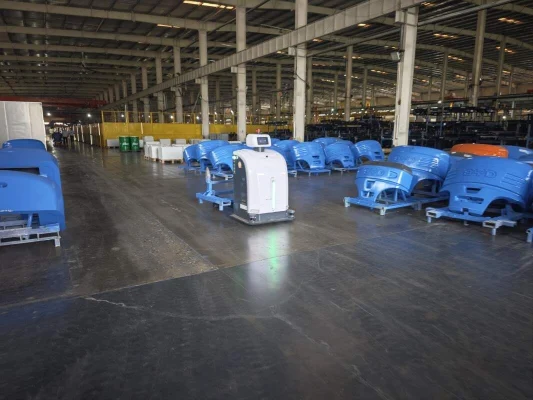
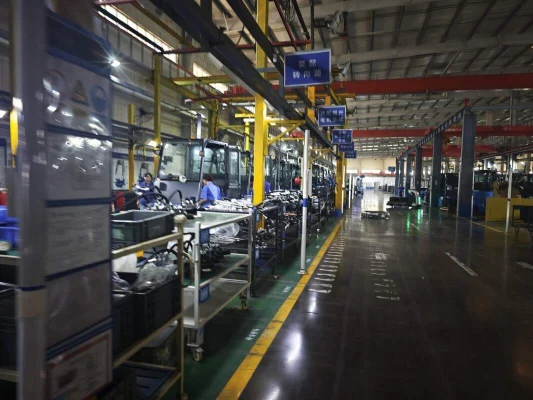
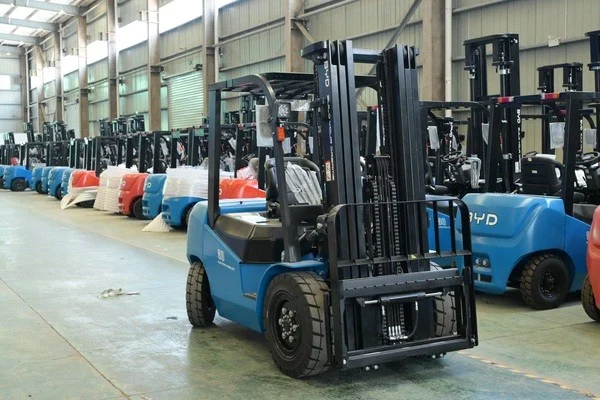
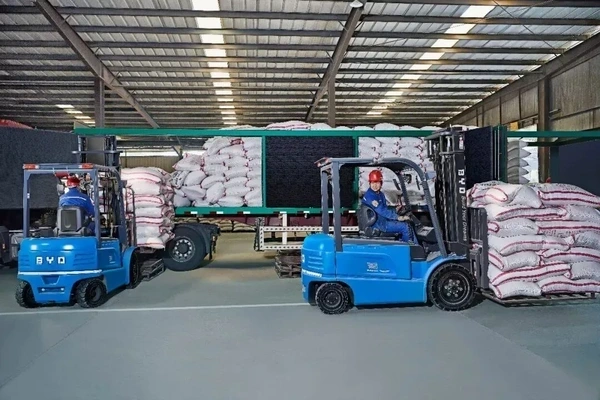
Automotive manufacturing and parts logistics relies on frequent movement of heavy components including engine blocks, frame assemblies, and bulk packaged parts. 3 ton electric forklifts handle most horizontal transport and storage tasks across factory floors, with continuous multi-shift operations standard across most facilities. Downtime directly impacts production line cadence, so charging infrastructure layout and configuration directly shapes overall operational efficiency. Dispersed work zones across stamping shops, welding bays, assembly line-side storage and finished parts warehouses mean any unnecessary travel to charging points adds up to significant lost time over full production weeks.
Core Operational Requirements 3 Ton Electric Forklifts Face In Automotive Manufacturing Logistics
Automotive production operates on tight, fixed schedules where any disruption to parts delivery halts entire assembly lines. 3 ton electric forklifts must maintain consistent availability across all shifts to keep production moving. Key operational constraints this industry include:
- Heavy, frequent load cycles that drain batteries faster than light warehouse operations
- Dispersed work zones spread across large factory campuses
- Strict power capacity limits that restrict uncoordinated energy use
- Zero tolerance unplanned downtime that impacts production output
These constraints make charging infrastructure far more critical to overall efficiency than many initial procurement plans acknowledge. A high-performance 3 ton electric forklift paired with poorly configured charging cannot deliver expected productivity gains.
Key Charging Configuration Parameters That Impact Efficiency
Charger Placement And Accessibility
Many automotive facilities locate chargers in out-of-the-way areas to save prime production space, but this choice increases travel time each time a forklift needs a top-up. Cumulative daily lost time from multiple trips can add up to multiple hours of lost throughput monthly. This factor matters this industry because even a few minutes of unplanned downtime can disrupt entire production lines, missed parts deliveries directly halt assembly work.
When evaluating configurations, measure average round-trip distance from all core work zones to proposed charging locations, calculate total daily round-trip time across all peak shifts to identify potential inefficiencies. Tradeoffs: Multiple distributed chargers placed close to high-frequency work zones cut travel time far more effectively than one central charging room. Limitations: Distributed setups require higher initial installation and wiring costs, and must align with existing site power capacity constraints.
Charger Power Compatibility
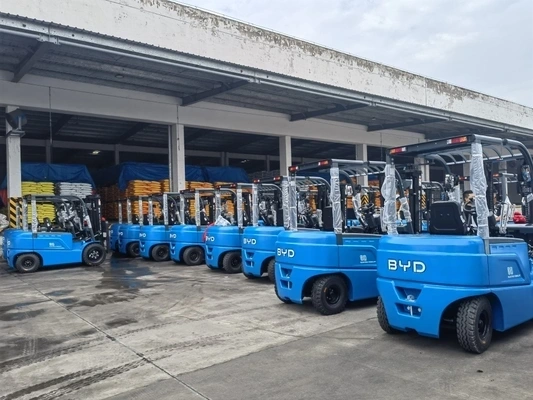
Mismatched charger output power and a 3 ton electric forklift battery management system (BMS) creates two core issues: extended charging time, and accelerated battery degradation over time. Multi-shift automotive operations need consistent battery performance to maintain throughput, so any mismatch creates avoidable efficiency losses.
When verifying configurations, ask suppliers to share your selected forklift battery’s allowed charging power range, confirm charger output falls within this range, and get written confirmation BMS supports the selected charger’s output level. Tradeoffs: Higher power chargers reduce charging time, but require higher voltage electrical access that may need costly facility upgrades. Limitations: Older facilities with limited power capacity cannot support high-power fast charging, so operators must adjust shift schedules to accommodate longer charging times.
Charging Network Management Systems
Smart charging management systems coordinate power allocation across multiple chargers, prevent site-wide power overload during peak production hours. This matters automotive manufacturing because most facilities have strict total power capacity limits, and uncoordinated simultaneous charging can trigger overload breakers that cut power to production lines.
When evaluating systems, confirm the platform can adjust to your site’s maximum peak power limit, and prioritizes charging for forklifts active in high-demand work zones. Tradeoffs: Smart systems add upfront cost, but eliminate risk costly power outages that disrupt production. Limitations: Smart systems require regular software updates and basic ongoing maintenance that adds small ongoing labor overhead.
Configuration Comparison Common Charging Setups
The table below outlines key attributes common charging setups used automotive manufacturing logistics:
| Charging Setup | Core Industry Risks | Required Supplier Documentation | Optional Add-ons |
|---|---|---|---|
| Centralized Charging Room | Longer travel time from active work zones, increased downtime, queuing during peak shifts | Layout guidance matching site power capacity, forklift access clearance dimensions | Dedicated battery swapping staging area |
| Distributed On-Site Chargers | Higher initial installation cost, potential local power overload | Point-by-point load calculation, electrical safety certification | Individual power disconnect switches |
| Opportunity Charging Along Production Routes | Requires dedicated route space, may interfere with pedestrian and vehicle traffic | Site traffic impact assessment, safety barrier specifications | High-power capability 10-15 minute top-ups |
No single setup works all automotive facilities. Large facilities with multiple shifts and dispersed work zones typically combine distributed charging with opportunity top-up points, while smaller component manufacturing facilities can operate effectively with a single centralized charging room.
Frequently Asked Questions
Does fast charging damage 3 ton electric forklift batteries in automotive logistics operations?
Damage risk depends entirely on battery design, BMS compatibility and correct charger matching. If your battery and charger are engineered to support fast charging, regular use does not cause excessive premature degradation. Always obtain written supplier confirmation your specific battery model supports fast charging before completing installation.
Can I upgrade existing charging infrastructure to accommodate new 3 ton electric forklift purchases?
Upgrades work in many scenarios, but require full assessment of existing wiring capacity, power allocation and charger compatibility. A qualified electrical contractor must complete full site inspection before any upgrade project, to confirm existing infrastructure can handle new load requirements.
How does charging infrastructure affect overall operating cost beyond initial installation?
Poorly configured charging increases unplanned downtime, reduces overall throughput and shortens battery service life. All these factors add hidden operating cost across the equipment lifespan. Optimized layout and matching configurations reduce unplanned downtime and extend battery life, offsetting higher initial investment over time.
What space requirements apply to charging installations in automotive manufacturing facilities?
Space requirements vary based on number of chargers, charger type and overall layout. Distributed point chargers require far less space per unit than centralized charging rooms. You must reserve enough clearance around charging points to allow safe forklift maneuvering and access, plus add safety barriers where needed near active production routes.