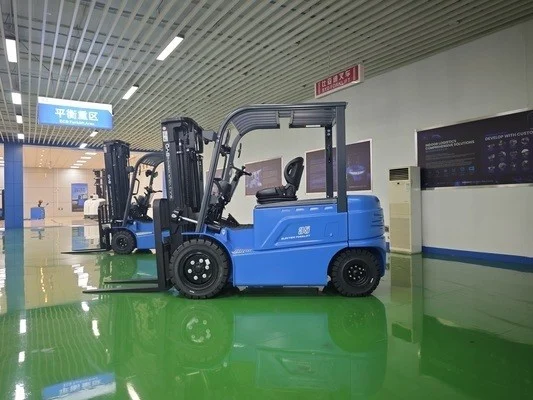
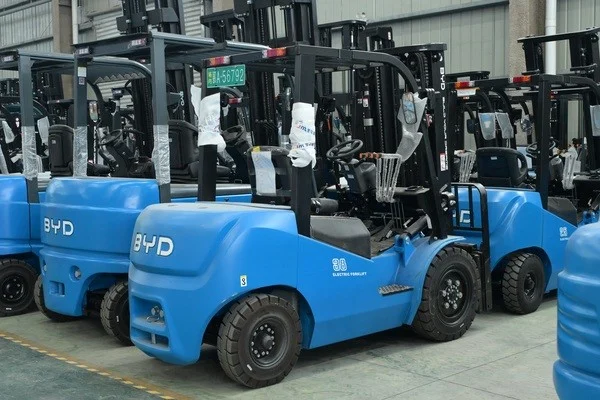
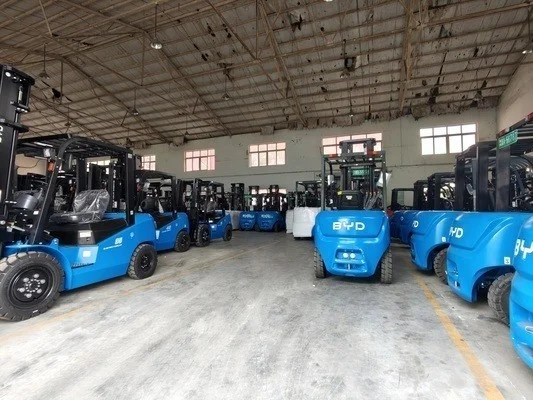
3 Ton Electric Forklift Procurement Guide: Four-Wheel Counterbalance Mast, Battery, and Hydraulic Configuration Choices
News 22/10/2026
When you procure a 3 ton four-wheel counterbalance electric forklift, three core configurations define its performance and fit your work site. Each selection depends on your unique operational needs, so align each option with your actual use case.
Core Required Configuration Parameters
Mast Type Selection
The mast carries your load and sets maximum possible lift height. Common options include two-stage free lift masts and three-stage free lift masts. Two-stage models work well for low to medium lift height applications, such as outdoor yard loading. Three-stage masts deliver higher lift with lower collapsed height, making them ideal for indoor warehouse stacking.
Always confirm your required lift height and your site’s available overhead clearance before selecting mast type. You also need confirm load center distance: standard 3 ton models use a 500mm load center, adjust this specification if your work loads have non-standard dimensions.
Lithium Battery Configuration Matching
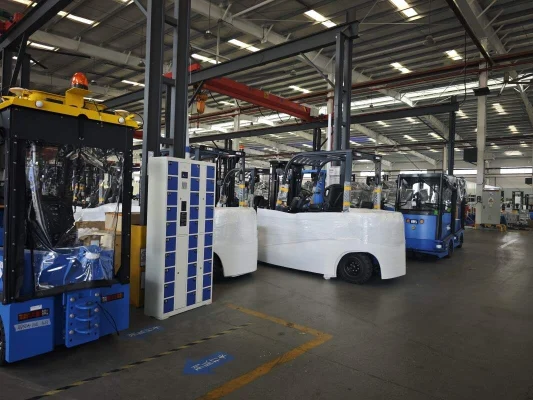
Most modern 3 ton four-wheel counterbalance electric forklifts use lithium iron phosphate batteries, including BYD’s production lines. Match battery capacity to your daily work shift length. If your site runs multiple consecutive shifts, you can opt for higher capacity packs or add fast charging capability. You also need confirm your on-site power supply voltage matches the charger specification your unit requires.
Hydraulic System Options
Your forklift hydraulic system controls lifting, tilting and fork positioning functions. If you need frequent precise load positioning, proportional control hydraulics deliver smoother operation than standard on-off control systems. If you plan use custom attachments like clamps or rotators, confirm your hydraulic system meets required flow and pressure ratings to support the attachment.
Pre-Procurement Confirmation Items
Before you finalize your order, double check these key items to avoid costly misalignment after delivery.
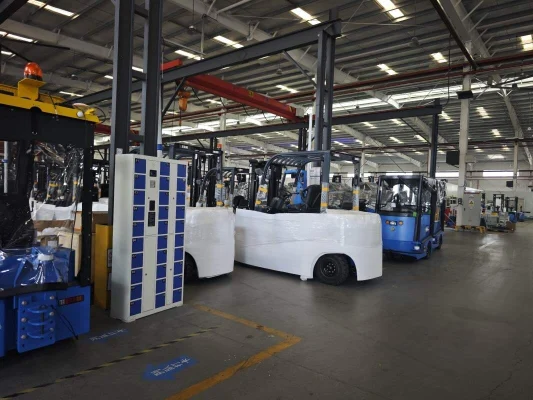
- Site condition measurements: Many new buyers overlook aisle width measurements, leading to units that cannot navigate around existing warehouse racks. A 3 ton four-wheel counterbalance electric forklift typically requires an aisle width between 2.8 meters and 3.5 meters, depending on your attachment and fork length, so always take actual measurements instead of relying on general estimates. Also check ground load capacity, maximum grade your unit must climb, and any indoor air quality rules; electric models easily meet most indoor requirements.
- Local regulatory compliance: Confirm your selected unit meets all relevant local safety and environmental regulations applicable to industrial powered equipment in your operating area.
- Warranty terms: Clarify warranty coverage scope for main components including battery, motor, and hydraulic system, so you understand support available after delivery.
Share your exact working condition, load range, and maximum lift height with our team, we help you match correct BYD four-wheel counterbalance electric forklift configuration to your needs.
Frequently Asked Questions
What standard lift height options come with a 3 ton four-wheel counterbalance electric forklift?
Standard options range from 3 meters to 6 meters, custom heights are available from most manufacturers. You need measure your maximum stack height plus overhead clearance to get your required lift height before ordering.
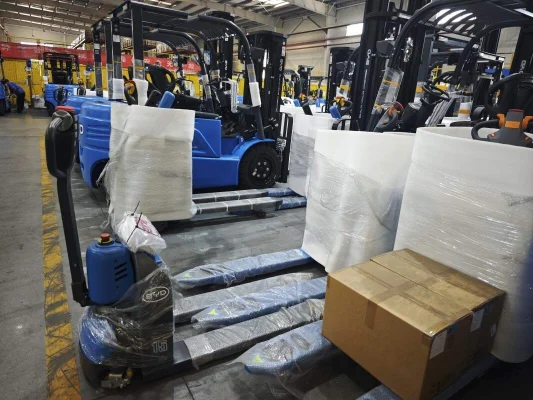
Can I replace the battery on my 3 ton electric forklift later?
Yes, but you need confirm replacement battery matches original voltage and dimension specifications. With BYD lithium battery models, original replacement packs ensure best compatibility and long-term stable operation.
Does adding side shift function add unnecessary cost?
Side shift helps adjust fork position without moving the whole unit, which speeds up loading and unloading work. Most operations gain clear benefit from this feature, so adding it as default configuration makes sense across most 3 ton applications.