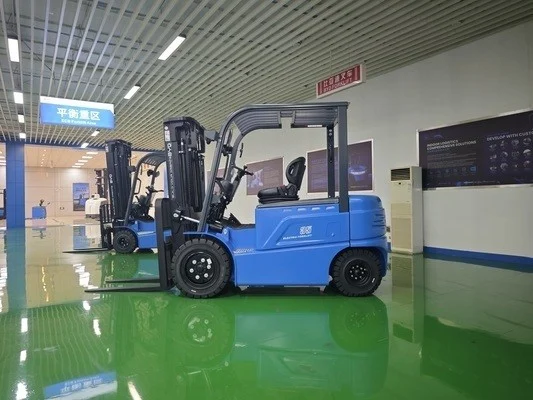
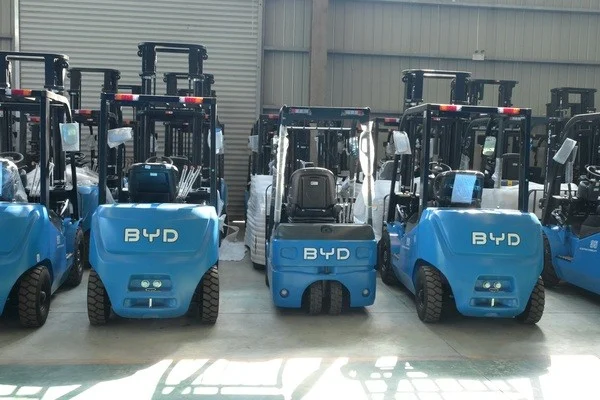
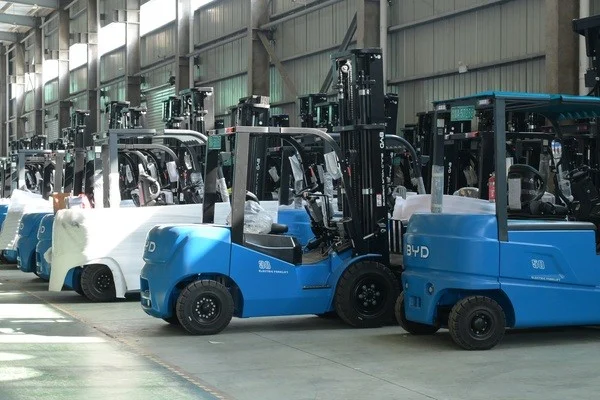
Four-Wheel Counterbalance Procurement Checklist: Verifying 2.5 Ton Electric Forklift Load Center and Attachment Ratings
News 22/10/2026
Why These Two Specifications Matter
When sourcing a 2.5 ton four-wheel counterbalance electric forklift, load center distance and attachment ratings rank among most commonly overlooked critical specifications. Mismatched values create safety risks, reduce operational efficiency, and lead to costly reconfiguration after delivery. This checklist outlines key verification steps to keep your procurement process on track and aligned with your operational needs.
Core Load Center Verification
A forklift rated 2.5 ton capacity only delivers that capacity under specific load center conditions. Load center refers to the distance from the vertical face of the forks to the center of gravity of the cargo it lifts. Most standard models list a default load center, but you must confirm this value aligns with your typical cargo dimensions and weight distribution.
Step-by-Step Load Center Check
- Measure the average distance from the front edge of your most common cargo to its center of gravity
- Compare your measurement against the forklift published load center rating
- Document your maximum required load center and share this value with your supplier
If your required load center exceeds the forklift default rating, your supplier must adjust the rated capacity to match your needs. A larger load center reduces maximum safe lifting weight, so skipping this check creates unnecessary safety hazards and premature component wear.
Attachment Rating Validation
Any attachment added to your 2.5 ton four-wheel counterbalance electric forklift changes weight distribution and overall center of gravity. Manufacturers publish adjusted capacity ratings specific to each attachment combination. You must confirm these ratings before finalizing your order.
Common Attachment Checks
- Side shifters add extra front-end weight, requiring adjusted capacity ratings
- Fork positioners add width and weight, so confirm adjusted load limits match your needs
- Rotators shift overall center of gravity, requiring new load center and capacity confirmation
Many suppliers only list base model capacity on initial quotes. Always request updated, official ratings after you add all required attachments to your configuration.
Additional Key Procurement Checkpoints
Beyond load center and attachment ratings, confirm these details align with your operational requirements before completing your purchase:
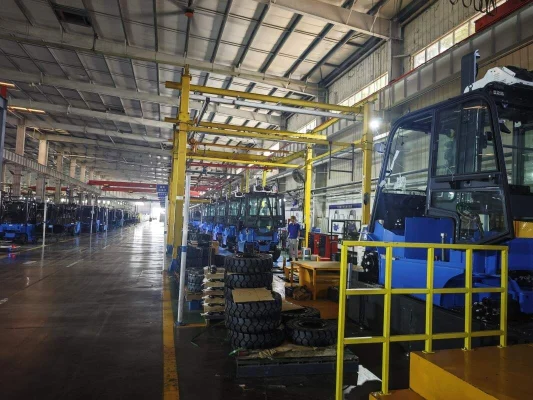
- Battery capacity and chemistry match your work schedule: BYD lithium-ion four-wheel counterbalance electric forklifts support fast opportunity charging, fitting multi-shift operations without full battery swaps
- Minimum turning radius aligns with your facility aisle widths
- Ground clearance matches your workplace floor conditions, including any graded surfaces or uneven pavement
- Maximum mast lift height meets your highest rack storage requirements
Share your operational needs, cargo specifications and facility details with our team. Our team provides matching configuration details your BYD four-wheel counterbalance electric forklift requires.
Frequently Asked Questions
What issues come from mismatched load center values?
Unstable lifts increase risk of cargo shifting, truck tip-over, and excess strain on key components including mast, brakes, and drive train. This elevates workplace safety risks and shortens your equipment overall service life.
Do small attachments still need adjusted capacity ratings?
Yes. Any attachment adds weight to the forklift front end, which shifts the overall center of gravity and changes maximum safe lifting capacity. Always confirm adjusted ratings regardless attachment size.
Where can I find official ratings?
Official load center and attachment ratings appear on the forklift nameplate and manufacturer official technical documentation. Always request this documentation from your supplier before completing your purchase.