Critical Selection Factors: Warehouse Electric Forklift Adapted To Narrow Aisle And High-Volume Storage Operations
News 03/10/2026
Warehouse teams building high-density storage layouts rely on properly matched warehouse electric forklift to maximize storage capacity while maintaining productivity. Narrow aisle configurations and high-volume storage workflows place unique demands on material handling equipment, and poorly matched selection leads to wasted space, increased safety risks, and unnecessary operational downtime that cuts into overall operational efficiency. Teams building or retrofitting high-density storage setups must weigh multiple facility-specific and operational factors when evaluating suitable equipment. Below we break down key selection criteria, common application limitations, and answers to the most common questions teams face during the evaluation process.
Core Selection Criteria
Aisle Width Compatibility
Narrow aisle layouts typically cut aisle space 30-50% compared to standard wide aisle designs, so mast and truck body dimensions dictate whether a unit works within your layout. Stand-up reach forklift and very narrow aisle (VNA) turret truck models fit most narrow aisle layouts, while three-wheel stand-up units work well in aisles between 1.8 and 2.4 meters. Always measure your working aisle width, not just the nominal gap between racking, to account for clearance needed when turning or loading pallets. Many facility layouts note nominal racking spacing on original blueprints, but modifications over time, added safety guards, or protruding pallet overhang can reduce available working space. Even a small gap in clearance can create consistent bottlenecks or collision risks during daily operation, so taking multiple measurements across all aisles used for forklift travel ensures you account for any on-site changes that deviate from original plans.
Lifting Height Capacity Matching
High-volume storage relies on vertical space utilization, so lifting height and load capacity work together to define your unit capability. Many electric models offer max lifting heights between 6 and 12 meters, but full rated load capacity drops as height increases. Confirm your highest storage beam level and the maximum weight pallets you store at that level before making a selection. Many operations prioritize maximum lifting height to utilize all available vertical space, but overlooking the load capacity reduction at higher elevations can lead to equipment overloading, accelerated mast wear, and increased stability risks. Always prioritize the load requirement at your highest storage level over the maximum listed lifting height of the forklift, as an under-capacity unit cannot safely handle your heaviest pallets at the elevation you need.
Battery and Power Requirements
Multi-shift high-volume operations need consistent power delivery throughout full work cycles. Lead-acid batteries work well in single-shift operations, and require opportunity charging or battery swap when multi-shift use is needed. Lithium-ion batteries deliver faster charging and longer service life, but carry higher upfront purchase cost. Your facility’s charging infrastructure also affects your power system choice. Lead-acid batteries often require dedicated, well-ventilated charging spaces to mitigate risks associated with fume release during charging, while lithium-ion units can be charged opportunistically in existing break areas or unused floor space without special ventilation requirements. This difference can impact your overall facility layout and hidden installation costs beyond the unit purchase price.
Maneuverability and Operator Visibility
In tight aisles, even small operator mistakes can lead to collisions, so ergonomic design and clear mast visibility reduce accident risk and boost productivity. Articulated or counter-balanced designs offer different turning radius benefits, so test units within your actual aisle layout when possible to confirm operator comfort and control. Modern models often include optional features such as camera systems or mast guides to improve visibility in tight spaces, which can be worthwhile upgrades for operations running multiple shifts with high order picking volumes. Operator fatigue also drops with improved visibility and ergonomic controls, which translates to consistent productivity across full work cycles.
Common Application Limitations
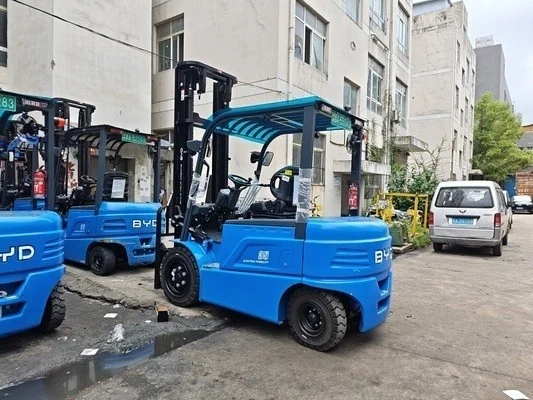
Not all warehouse electric forklift work equally across every narrow aisle high-volume setup. Outdoor operation is rarely recommended by most standard electric model manufacturers, as moisture exposure can damage electrical components. Purpose-built units targeting very narrow aisle operations often have lower top travel speed than standard models, which can impact order picking throughput if your operation requires long travel distances between storage and loading zones. Additionally, high lifting height units require level warehouse floors to maintain stability, so uneven flooring can create safety risks that require correction before installation.
Frequently Asked Questions
Common Operational & Compatibility Questions
What type of warehouse electric forklift suits narrow aisle layouts?
Stand-up reach forklift fit most standard narrow aisle setups, while VNA turret trucks suit extremely tight aisles under 1.8 meters wide. Three-wheel counterbalanced electric models also work well in smaller warehouses with moderate narrow aisle storage needs.
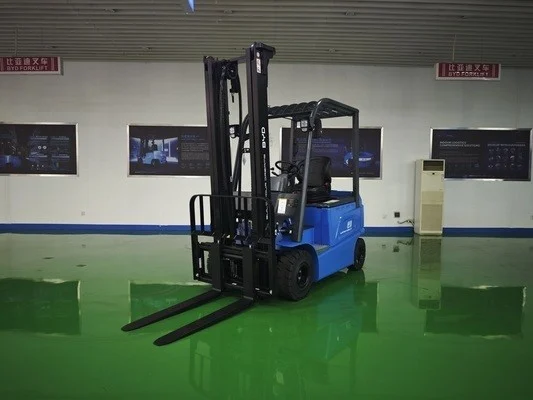
Can warehouse electric forklift support multi-shift high-volume operations?
Yes, but power system configuration matters. Operations running two or three shifts daily should use lithium-ion batteries with fast opportunity charging, or implement a battery swap program with lead-acid units to avoid downtime between shifts.
Pre-Purchase Safety & Cost Questions
What safety checks should you complete before selecting a unit?
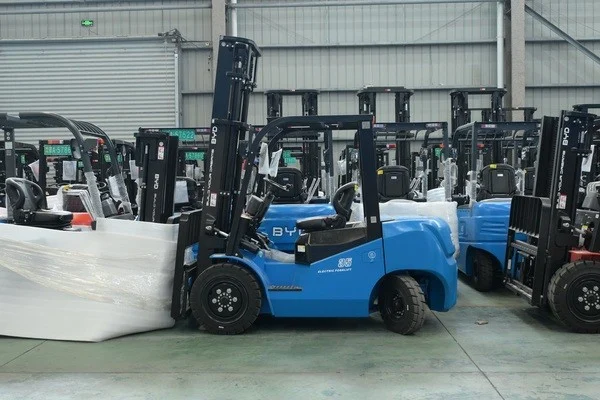
First, verify aisle width clearance matches the full truck turning radius, confirm load capacity at your maximum lifting height, check floor flatness meets manufacturer stability requirements, and confirm operator visibility aligns with your facility safety standards.
What upfront cost range should you expect?
Cost varies widely based on capacity, lifting height, and battery type. Entry-level new stand-up reach forklift start around $20,000, while high-capacity VNA turret trucks with lithium-ion batteries can exceed $100,000. Used and refurbished units offer lower upfront cost to smaller operations with limited budget.
Actionable Next Steps
Before finalizing your purchase, document all your facility-specific parameters: working aisle width, maximum lifting height, maximum pallet weight, number of daily work shifts, and floor condition. Share this full list with equipment suppliers to get accurate recommendations that match your operational needs. Test demo units within your actual warehouse layout whenever possible to confirm maneuverability and operator comfort before committing to a purchase.