Total Cost Of Ownership Assessment Guides Warehouse Electric Forklift Purchasing Decisions
News 04/10/2026
Many warehouse operations struggle when selecting new material handling equipment. Initial purchase price often draws most attention, but long term expenses shape actual budget impact. This guide explains how total cost of ownership (TCO) assessment helps teams make better purchasing decisions when choosing warehouse electric forklifts.
Core Components Of TCO Assessment
Upfront Capital Expenses
Upfront capital expenses include purchase price, charging infrastructure, delivery, initial operator training, and any compliance modifications your facility requires. Many purchasing teams focus only on this line item when comparing equipment options, which leads to inaccurate budget projections.
Recurring Operating Expenses
Recurring expenses cover daily costs that add up over the service life of your lift. These include energy consumption, regular maintenance parts and labor, planned battery service, insurance premiums, and any taxes or regulatory fees tied to equipment ownership. Higher utilization increases the impact these recurring costs have on your total budget.
End Of Life Costs
End of life expenses cover decommissioning, battery disposal, and any required upgrades to prepare your space for new equipment. You can offset these costs with the resale value of your old forklift, which varies based on equipment condition and demand used lift units.
How TCO Shapes Warehouse Electric Forklift Purchasing Outcomes
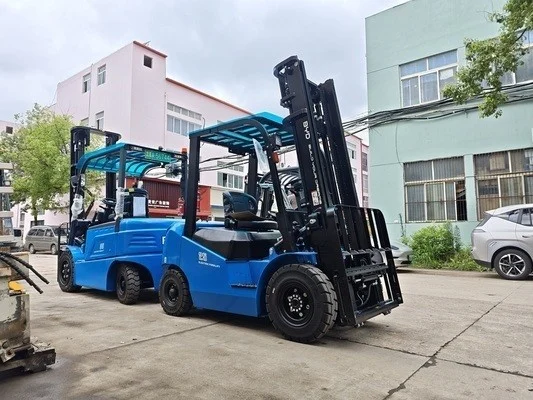
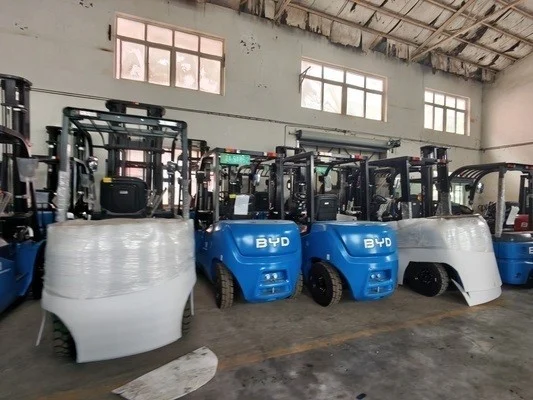
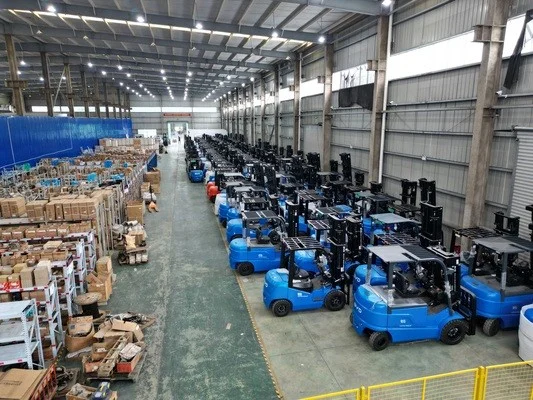
Consider this hypothetical common application: A mid-sized e-commerce fulfillment center operates two shifts daily within a 10,000 square foot indoor warehouse. Two equipment options are under consideration: a lower-priced internal combustion (IC) lift, and a slightly higher-priced warehouse electric forklift.
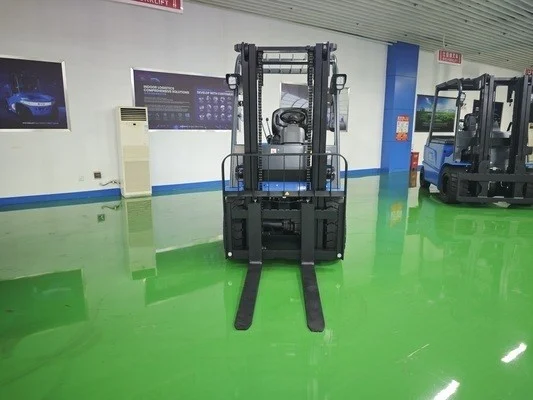
Initial comparison shows the IC unit costs $5,000 less upfront, so many teams would select this option without further analysis. A full TCO assessment across a 5 year service life changes this outcome. Electric models cut energy costs, have fewer moving parts that need regular service, and eliminate the need for special exhaust ventilation systems that add ongoing facility overhead. Over 5 years, the electric model delivers lower cumulative cost, even with the higher initial price tag.
Key TCO Factors Warehouse Teams Must Evaluate
When building your own TCO assessment, prioritize these factors that most impact final results:
Utilization Rate
Higher daily usage amplifies long term cost differences between electric and IC options. Multi-shift operations see far more cumulative savings from lower operating costs of electric models, making higher upfront prices easier justify.
Battery Technology Selection
Lead acid batteries cost less upfront, but need more frequent replacement and require extended downtime for full charging. Lithium ion batteries carry a higher initial cost, last longer, and support opportunity charging that cuts idle time between shifts. Your TCO calculation should include the full lifecycle cost of the battery, not just the initial price added to the forklift.
Infrastructure Requirements
Electric models need dedicated charging space and compatible electrical service to operate safely. You must include installation costs within your TCO calculation to avoid unexpected budget overruns after delivery.
Limitations Of TCO Assessment
TCO assessments rely on accurate projections of future usage, energy costs and service life. Changes in operational volume, new facility regulations or unexpected market shifts can alter actual outcomes. Also, TCO rarely includes intangible benefits such as lower noise levels or zero on-site emissions, which improve worker satisfaction and compliance within indoor operations. Teams should add these factors to their final decision making process alongside hard TCO numbers.
Frequently Asked Questions
Do warehouse electric forklifts actually lower long term expenses compared to internal combustion models?
In most multi-shift indoor warehouse operations, yes. Lower energy costs, reduced maintenance needs and longer service lives push total cumulative cost below comparable IC models over 3 to 7 years of service. Exceptions apply to outdoor operations or facilities with very low utilization, where lower upfront IC costs may make more sense.
What common costs do teams miss when completing TCO assessments?
Most teams overlook charging infrastructure installation costs, battery disposal fees, and downtime costs from extended charging periods. Downtime directly impacts operational output, so missed calculations can skew TCO results significantly.
How long of a service period should I use when calculating TCO?
Most warehouse electric forklift service lives land between 5 and 10 years, depending on utilization. Use the projected length your team plans to keep the unit to get the most accurate comparison. If you replace equipment on fixed 5 year cycles, use that timeline within your calculation.
Are lithium ion batteries worth the extra cost within TCO calculations?
Within multi-shift operations, lithium ion batteries often add value through opportunity charging that eliminates downtime associated with battery swaps. They also last 2 to 3 times longer than lead acid batteries, which reduces replacement costs over the forklift service life. Within single shift low utilization operations, lead acid batteries may still align better with budget goals.
Final Steps Towards Informed Purchasing
Start by documenting your operational needs: daily usage hours, facility size, lift capacity requirements, and budget timelines. Gather all cost data from equipment suppliers, including upfront pricing, maintenance schedules, battery life projections and resale value estimates. Build your TCO comparison across the full service life your organization plans to use the equipment. Factor in any intangible benefits that matter to your team, such as lower noise within indoor operations or zero emissions. This process helps you avoid common purchasing mistakes driven solely by upfront price, and selects equipment that aligns with both short term budget and long term operational goals.