2 ton electric forklift: Wheel Load Distribution Impacts Required Warehouse Floor Load Ratings
News 11/10/2026
Core Connection Between Forklift Wheel Load and Floor Rating
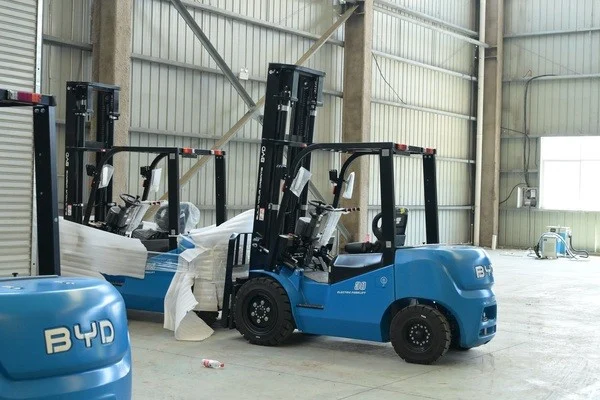
Rated 2 ton lift capacity does not equal total vehicle weight on the floor. Most 2 ton electric forklift units include significant counterbalance weight added to the rear of the machine to offset load weight at the front. This means total vehicle weight often exceeds rated lift capacity by a large margin. Wheel load distribution shifts depending on whether the unit carries a load, where the load sits on the forks, and the machine’s overall design.
How Load Position Changes Distribution
When a load sits at the outer end of forks, front wheel load increases dramatically while rear wheel load drops. When a load pulls close to the mast, front wheel load decreases slightly. With no load onboard, rear wheels carry most of the machine’s weight due to the counterbalance, creating higher concentrated pressure on rear wheel contact points. This means empty travel along fixed aisles can create just as much floor stress as full load travel in some cases.
Design Factors That Shift Wheel Load Distribution
Not all 2 ton electric forklift units share the same wheel load profile. Multiple design choices change how weight spreads across wheels:
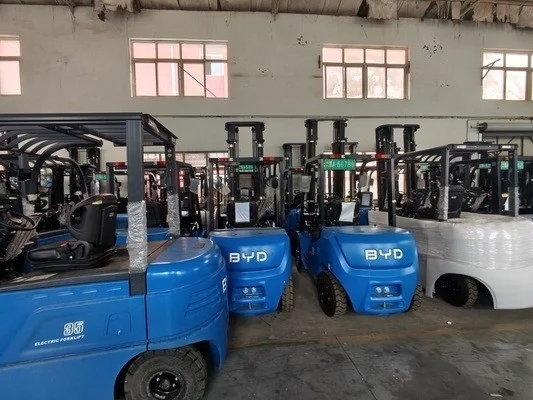
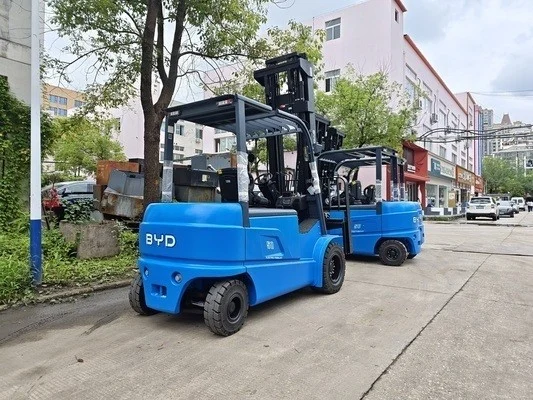
- Machine configuration: Three-wheel 2 ton electric forklift models concentrate total weight across fewer contact points than four-wheel models, leading to higher individual wheel pressure. Stand-on rider units typically have lower total vehicle weight than sit-down counterbalance models, resulting in lower overall wheel loads.
- Tire type: Pneumatic tires have larger contact patches when properly inflated, spreading weight across more floor area. Solid pneumatic tires and solid cushion tires have smaller contact areas, leading to higher concentrated pressure on concrete surfaces.
- Counterbalance placement: Some compact 2 ton electric forklift designs shift counterbalance weight closer to the center of the machine, creating more even weight distribution across all wheels.
Practical Steps To Match Forklift To Existing Floors
Facility teams planning new equipment installations can follow these actionable steps to ensure compatibility:
- Request maximum wheel load data from your forklift supplier or manufacturer. Do not rely solely on total vehicle weight or rated lift capacity, these values do not reflect concentrated load on individual wheels under full operating conditions.
- Compare the maximum wheel load against documented design ratings for your warehouse floor. If you do not have existing documentation, consult a structural engineer to perform load testing on your concrete slab.
- Mark high-traffic aisles and loading zones where 2 ton electric forklift units operate most frequently. These areas see repeated load stress, so they require stricter compliance with load ratings.
Common Limitations and Risk Mitigation
Even with correct matching, certain operating conditions can increase floor damage risk. Overloading forks beyond rated capacity pushes wheel load well above manufacturer specified levels, leading to excess pressure on concrete. Operating with loads extended far from the mast on a consistent basis also creates chronic excess front wheel pressure. To mitigate these risks, implement clear operating rules that require loads kept close to the mast during travel, and enforce weight limits on all forks. For facilities with older lower-rated floors, consider adding steel floor plates in high-traffic zones to distribute load across a larger area and prevent cracking.
Frequently Asked Questions
Can a 2 ton electric forklift operate on standard warehouse concrete floors?
Outcome depends on two key values: maximum wheel load from your specific forklift model, and the design rating of your concrete slab. Many modern standard warehouse floors are built to handle common 2 ton electric forklift wheel loads, but older facilities or floors built lighter equipment may not meet requirements. Always verify both values before regular operation begins.
Does empty 2 ton electric forklift operation cause floor damage?
On counterbalance models, empty operation puts higher concentrated load on rear wheels. If rear wheel load exceeds your floor’s rating, repeated travel along the same aisles can lead to long-term cracking or surface degradation. This risk increases with older, lower-strength concrete.
What adjustments reduce wheel load impact on existing floors?
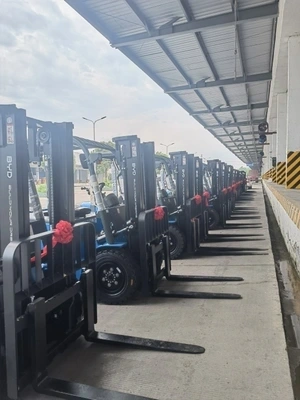
Enforce operating rules that keep loads close to the mast during travel, which cuts maximum front wheel load significantly. Wider tires spread weight across a larger contact area, reducing unit pressure on the slab. Steel plating covering high-traffic aisles also helps distribute load and protect existing concrete from damage.