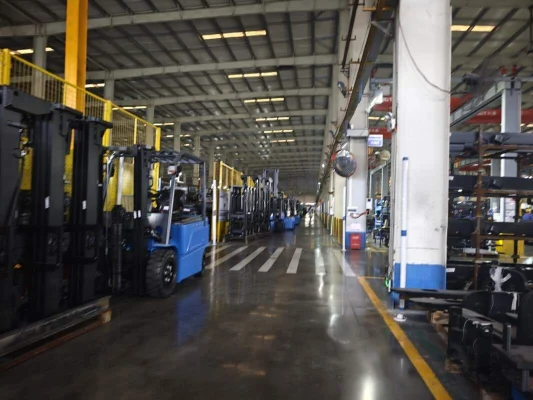
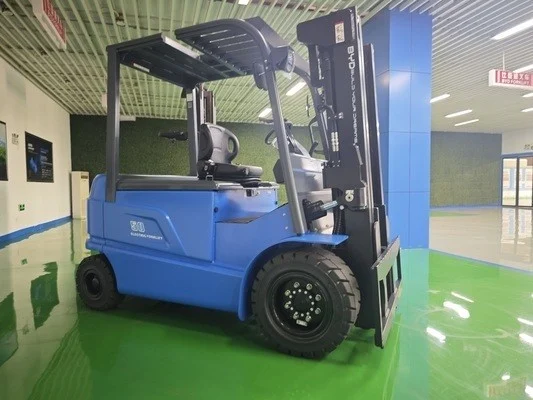
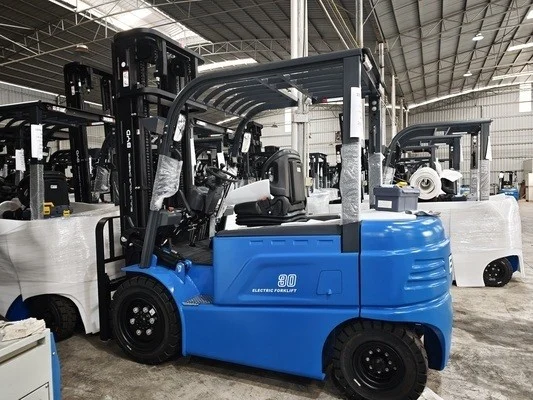
1.5 Ton Electric Forklift Design and Tire Configurations Supporting Mixed Indoor-Outdoor Material Handling Workflows
News 10/10/2026
A 1.5 ton electric forklift fills a popular niche among operations that regularly move loads between indoor storage or production areas and outdoor yards, loading zones or parking lots. Unlike strictly indoor or strictly outdoor units, models built for mixed cross-environment work… wait no, corrected:
A 1.5 ton electric forklift fills a popular niche among operations that regularly move loads between indoor storage or production areas and outdoor yards, loading zones or parking lots. Unlike strictly indoor or strictly outdoor units, models built mixed cross-environment work require specific design tweaks and tire configurations to deliver consistent performance. This guide breaks down key design considerations, tire options, selection criteria and common questions surrounding this equipment category.
Core Design Adjustments Supporting Mixed Indoor-Outdoor Work
Battery System Sizing
1.5 ton electric forklifts handling mixed cross-environment routes require balanced battery capacity. They need enough power support hill climbs, longer outdoor travel and consistent load handling, without adding excess weight that damages fragile indoor warehouse floors. Most common configurations use 48V lithium-ion or lead-acid setups. Lithium-ion options support faster opportunity charging, ideal operations that shift between indoor and outdoor zones multiple times per shift. Lead-acid setups offer lower upfront cost, require longer charge periods between uses.
Chassis and Component Protection
Outdoor terrain exposes equipment to moisture, dust, small debris and temperature swings. 1.5 ton models built mixed work include higher ground clearance than strictly indoor units, enough clearance navigate small curbs, uneven pavement and minor grading. Manufacturers also add sealed enclosures electrical components, preventing moisture and dust intrusion that causes premature failure in variable conditions. Many models also include enhanced operator suspension to absorb shock from rough outdoor pavement.
Tire Configurations Matching Mixed Work Requirements
Tire selection directly impacts traction, maneuverability, maintenance needs and floor protection across mixed work zones. Three main configurations dominate the market, each suited specific workflow splits.
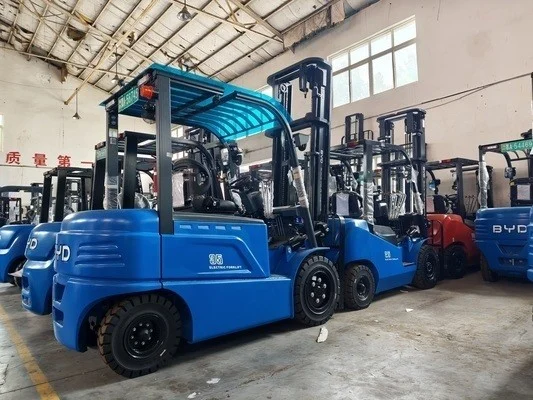
Solid Cushion Tires: Best Use Cases
Solid cushion tires are made solid rubber mounted directly to wheel hubs. They fit operations where most work happens indoors on smooth concrete. Their compact footprint delivers tight turning radius needed narrow warehouse aisles. They also offer excellent resistance punctures from small debris tracked indoors from outdoor loads. Their main limitation: poor traction on wet or uneven outdoor pavement. They work best operations where outdoor travel stays limited to short, smooth routes.
Standard Pneumatic Tires: Outdoor-Focused Options
Standard pneumatic tires are air-filled, with deep aggressive tread patterns. They deliver superior traction uneven outdoor surfaces such as gravel, wet grass, cracked asphalt or unpaved lots. Thick sidewalls absorb shock from rough terrain, improving operator comfort during longer outdoor drives. The main downside: their larger footprint reduces maneuverability in tight indoor aisles. They also carry higher risk puncture from sharp debris common warehouse and indoor production settings.
Solid Pneumatic Tires: Versatile Middle Ground
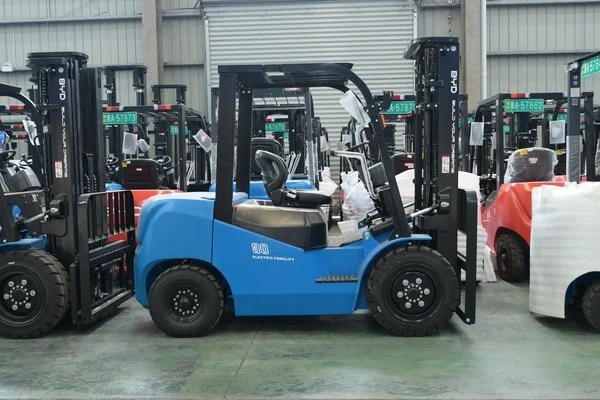
Solid pneumatic tires, also called solid press-on pneumatic tires, combine key benefits of the two previous options. They keep the traction-focused tread design of air-filled pneumatics, but use solid rubber construction that eliminates puncture risk entirely. This configuration fits 1.5 ton electric forklifts dedicated to mixed indoor-outdoor work. They offer enough cushion uneven outdoor surfaces, still maintain a smaller footprint than standard pneumatic tires, preserving maneuverability in most standard-width warehouse aisles.
Common Application Scenarios
Several common operational setups benefit from purpose-built 1.5 ton electric forklift with mixed-work design and matching tire configurations:
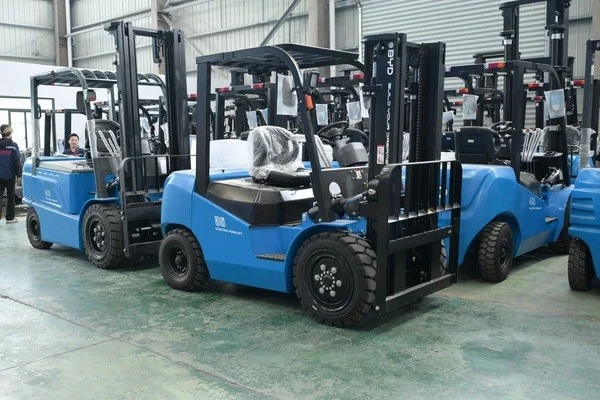
- Small manufacturing facilities: These units move raw materials from outdoor delivery yards to indoor production lines, then move finished goods back to outdoor loading docks. Solid pneumatic tires handle both uneven yard pavement and smooth indoor production floor concrete without damage or excessive wear.
- Third-party logistics hubs: Facilities with shared indoor storage and outdoor trailer parking use these forklifts load/unload trailers outside, then move pallets directly to indoor storage aisles. This removes need of multiple equipment types per single job, reducing operational complexity.
- Retail distribution centers: Operations that restock retail stores often move pallets from indoor storage to outdoor delivery trucks, making mixed-work capability a core requirement.
Key Selection Criteria and Limitations
Use these actionable criteria narrow down your options:
- Work split percentage: If over 70% of operations stay outdoors, full pneumatic tires deliver better long-term performance. If under 30% of work stays outdoors, solid cushion tires deliver sufficient capability at lower upfront cost. If your split falls between 30% and 70%, solid pneumatic tires offer the best overall value.
- Indoor aisle width: Aisles under 11 feet wide require more compact tire footprints. Avoid full pneumatic tires unless your 1.5 ton forklift includes a narrow-chassis design built tight spaces.
- Debris risk: Work zones with lots of sharp debris like construction material yards or scrap processing facilities require solid rubber tires, either cushion or solid pneumatic, to eliminate costly downtime from unexpected punctures.
Important limitations also apply: Purpose-built mixed-work 1.5 ton electric forklifts carry slightly higher upfront cost than single-environment units. Most operations offset this cost quickly, because versatility removes need purchase two separate forklifts. Always confirm your indoor facility floor load rating before selecting a larger battery configuration, as some high-capacity battery setups can exceed weight limits older warehouse floors.
Frequently Asked Questions
Can I switch tire configurations on my existing 1.5 ton electric forklift?
Most 1.5 ton electric forklift models support tire swaps, as long as new tire dimensions match your wheel hub specs. Always confirm load rating of new tires matches your forklift’s maximum capacity before installation.
Do 1.5 ton electric forklifts need extra maintenance mixed indoor-outdoor use?
Yes, operators should clean tires and undercarriage more frequently, to remove outdoor debris that can scratch or damage indoor concrete floors. Sealed electrical components also require annual inspection ensure moisture has not entered sensitive systems.
What maximum travel distance works outdoor with a 1.5 ton electric forklift?
Maximum distance depends on battery capacity, load weight and terrain. Most standard 48V configurations support up to 8 hours of intermittent mixed operation with a full charge. Continuous outdoor travel over longer distances will drain battery faster.
Are 1.5 ton electric forklifts safe indoor use?
Yes, all electric forklifts produce zero tailpipe emissions, so they meet most indoor air quality requirements commercial and industrial facilities. This makes them a safer option than internal combustion models shared indoor-outdoor work zones.
Choosing the right design and tire configuration your 1.5 ton electric forklift aligns equipment performance with your specific workflow split between indoor and outdoor operations. Balancing maneuverability, traction, maintenance needs and upfront cost helps you select a setup that improves overall operational efficiency without unnecessary extra expense.