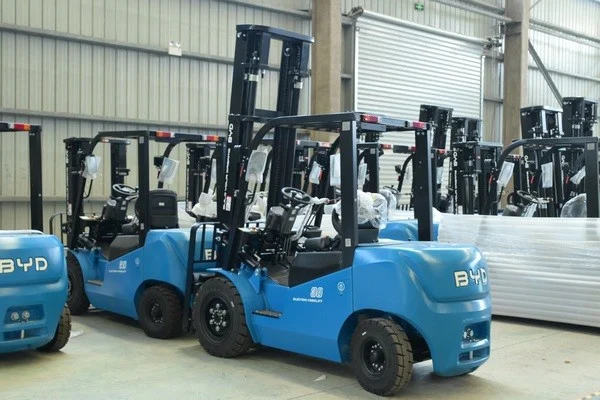
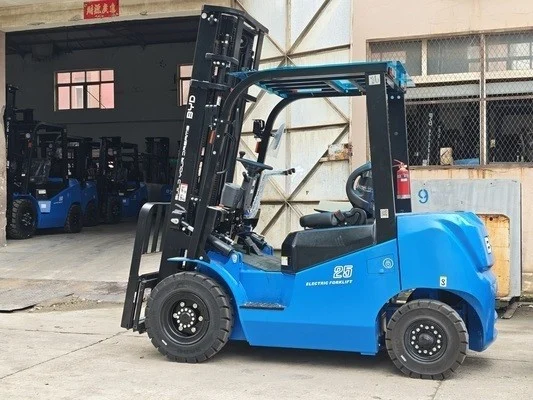
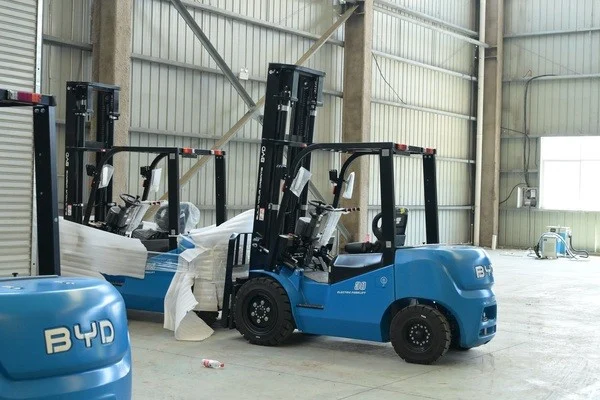
1.5 ton electric forklift Ergonomic Cab Design Reduces Operator Fatigue During Extended Material Handling Shifts
News 14/10/2026
1.5 ton electric forklifts see widespread use across many material handling operations, where operators often spend multiple consecutive hours behind controls. Fatigue from poorly designed cabs leads to reduced productivity, increased error risk, and higher long-term operator turnover. Ergonomic cab design directly addresses these issues, making comfort a critical consideration when investing in this equipment class. This guide breaks down key design elements, practical selection tips, and common tradeoffs to help facilities make informed decisions.
Core Ergonomic Cab Design Features That Lower Operator Fatigue
Adjustable Control And Seat Positioning
Ergonomic cabs let operators adjust every key interface to match their body type. Seat adjustments typically include forward/backward positioning, height changes, and lumbar support modification. Control levers and steering columns also adjust to reach, eliminating awkward stretching or overreaching during repeated operation. These adjustments let each operator maintain a neutral body position throughout shifts, reducing strain on joints and back muscles that builds over time. Saved position settings support quick changeovers between different operators moving across shift rotations.
Integrated Vibration Dampening
Electric forklifts produce less engine vibration than internal combustion models, but cabs still need dedicated vibration isolation to cut cumulative fatigue. Quality ergonomic designs use rubber mounting between the cab and chassis, plus padded floor surfaces that absorb shock from uneven warehouse floors or unpaved outdoor yard surfaces. This reduces whole-body vibration, a leading cause of lower back pain and muscle fatigue after multiple hours of continuous operation. Even small reductions in vibration translate to noticeable comfort gains across full shifts.
Unobstructed Sightlines
Narrow mast profiles and strategically placed support bars create clear sightlines from the cab to fork tips and surrounding work areas. Operators do not need to twist or lean to see load positions or nearby obstacles, reducing neck and shoulder strain. Good sightlines also cut down on constant head turning and overexertion from repeated load alignment, which adds to fatigue over extended work periods. This feature also improves overall site safety by reducing blind spots around the unit.
Spacious Layout And Climate Control
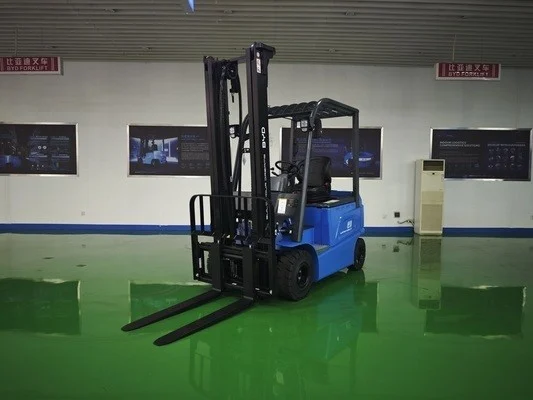
Extra interior space lets operators shift position slightly during long shifts, rather than staying locked in one fixed position. Enclosed cabs include ventilation or climate regulation that keeps operators comfortable regardless of outdoor temperature or warehouse air flow. Open cabs for… no, wait, rephrase: Open cabs designed for warm weather outdoor operation include strategically placed windshields that block wind chill without blocking sightlines, keeping operator body temperature consistent throughout shifts. Consistent temperature regulation prevents energy depletion from overheating or excessive cold, which contributes to premature fatigue.
Practical Selection Guidance And Limitations
Common Applicable Scenarios
1.5 ton electric forklifts work well in retail distribution centers, manufacturing storage areas, and small freight terminals where multi-hour shifts are standard. Facilities running two or three shift operations gain the most benefit from ergonomic cab designs, because operator fatigue directly impacts output across every rotation. Even single-shift operations see measurable benefits when operators spend 70% or more of their work time operating the forklift.
Key Pre-Purchase Checks
When evaluating ergonomic cab options, test fit to accommodate multiple operator body types common at your facility. Have your regular operators sit in the cab and complete basic maneuvers to check if controls fall easily to hand, and if back support matches individual needs. Test vibration levels by running the forklift over the same type of surface you use in daily operations. Prioritize designs that support saved position settings across multiple operators, which speeds up adjustment between shift changes.
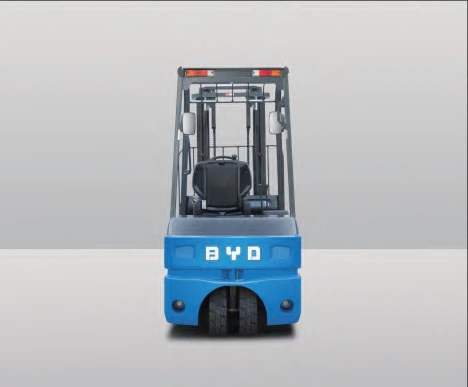
Known Design Limitations
Ergonomic cab designs add slightly to the overall footprint of the 1.5 ton electric forklift, which can reduce maneuverability in very narrow aisles under 10 feet wide. Some high-end ergonomic features also add to the initial purchase cost, so facilities need to balance upfront investment against long-term productivity and reduced worker turnover. Enclosed ergonomic cabs also add minor weight to the unit, which can slightly reduce maximum load capacity in some models, so always confirm manufacturer specifications before finalizing a purchase.
Frequently Asked Questions
Does ergonomic cab design actually improve productivity with 1.5 ton electric forklifts?
Industry research consistently links lower operator fatigue to fewer operational errors and higher daily output. Operators report higher job satisfaction when using ergonomically designed equipment, which reduces turnover and associated hiring and training costs. Individual results vary based on shift length and operational intensity, but the correlation between comfort and consistent output is well documented across material handling sectors.
Can I retrofit an existing 1.5 ton electric forklift with an ergonomic cab?
Some basic ergonomic upgrades, such as new padded seats or additional vibration dampening, work with most existing units. Full cab retrofits require matching the new cab structure to the forklift chassis, which is not possible for all older models. Always check compatibility with the original equipment manufacturer before investing in a full retrofit.
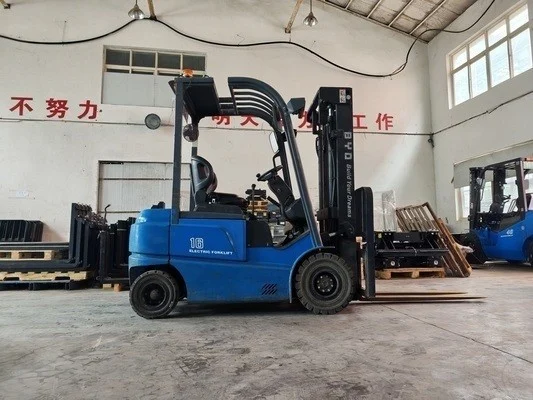
Do ergonomic cabs only deliver benefits in outdoor operations?
No, ergonomic cab design delivers measurable benefits for both indoor and outdoor operations. Even indoor warehouse environments cause operator fatigue over extended shifts, from repeated turning, poor positioning, and vibration from uneven concrete floors. Enclosed ergonomic cabs add extra benefits in extreme temperatures, but open ergonomic designs still cut fatigue for indoor operations with long shift lengths.
When selecting a 1.5 ton electric forklift, ergonomic cab design should rank as a top priority for any facility with extended operator shifts. The right design reduces muscle strain, cuts cumulative fatigue, and supports consistent productivity across all work shifts. Always test the cab alongside the operators who will use the unit, and balance feature costs against long-term operational benefits to find the best option matching your facility needs.