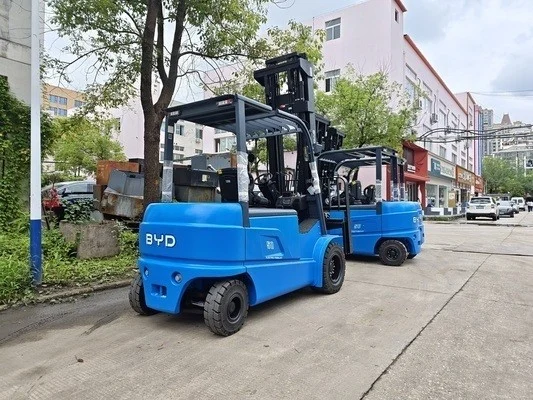
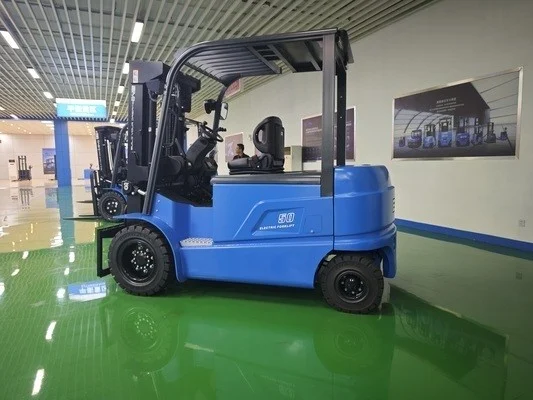
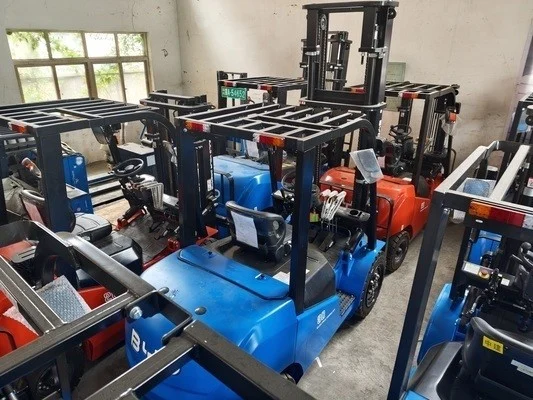
1.5 ton electric forklift Battery System Options and Runtime Characteristics Engineering Teams Assess During Capital Equipment Sourcing
News 13/10/2026
Core Battery System Options Available 1.5 Ton Electric Forklift Platforms
Engineering teams sourcing capital material handling equipment evaluate multiple battery chemistries 1.5 ton electric forklift units. Each option delivers unique tradeoffs between upfront cost, maintenance needs, runtime and lifespan. Below breaks down the most common choices currently available from major forklift manufacturers.
Flooded Lead-Acid Batteries
Flooded lead-acid remains the most widely adopted option entry-level 1.5 ton electric forklift purchases. This chemistry relies liquid electrolyte facilitate energy transfer between plates. Upfront capital cost sits lowest across all available options, which fits tight project budgets. These batteries require regular maintenance including water level top-offs, equalization charges and terminal cleaning to sustain performance.
Most standard 1.5 ton electric forklift chassis built accommodate flooded lead-acid batteries as original equipment. Battery weight matches required counterbalance to support full 1.5 ton lifting capacity without additional modifications.
Absorbed Glass Mat (AGM) Batteries
AGM batteries represent sealed lead-acid variant that eliminates liquid electrolyte maintenance. Glass mats hold electrolyte in place, which reduces risk leaks and spills compared flooded designs. This makes AGM suitable indoor operations with strict ventilation requirements.
Upfront cost falls between flooded lead-acid and lithium-ion options. Maintenance demands drop significantly, with no need regular water top-offs. AGM delivers deeper discharge capabilities compared standard flooded lead-acid, which supports slightly longer consistent runtime under load.
Lithium-Ion (LiFePO4) Batteries
Lithium iron phosphate (LiFePO4) batteries represent the newest mainstream option 1.5 ton electric forklift platforms. These batteries offer higher energy density, longer overall lifespan and faster charging compared lead-acid based chemistries. Upfront capital investment sits highest, but lower long-term maintenance and longer lifespan offset initial cost over equipment service life.
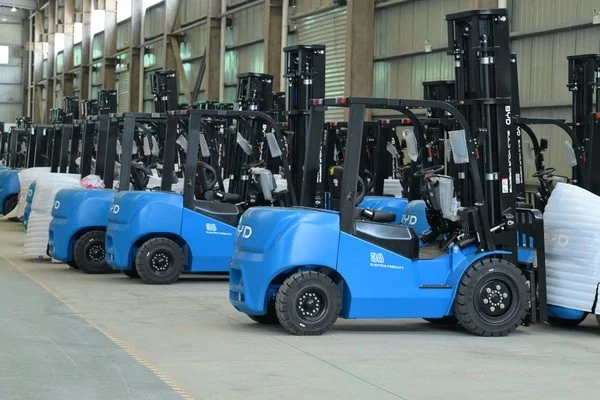
LiFePO4 batteries integrate built-in battery management systems (BMS) that regulate temperature, voltage and charge levels. This reduces risk overcharging and overheating, which supports more consistent performance across wide range operating conditions.
Key Runtime Characteristics Engineering Teams Evaluate
Runtime performance directly impacts daily operational productivity, so engineering teams prioritize consistent, predictable output during sourcing. Key characteristics include nominal runtime per charge, runtime consistency under varying loads, and ability extend operation through opportunity charging.
Nominal runtime per charge aligns with shift requirements most facilities. Single-shift operations typically need 6-8 hours continuous runtime, while multi-shift operations need support either battery swapping or fast opportunity charging. 1.5 ton electric forklift runtime changes based on operating context: full-capacity lifting on sloped terrain drains batteries faster than light load movement on flat concrete floors.
Runtime consistency describes how output holds up as battery charge depletes. Lead-acid chemistries experience gradual voltage drop as charge decreases, which can reduce lifting speed and performance toward end shift. Lithium-ion batteries maintain consistent voltage until nearly full discharge, which keeps forklift performance steady across entire work period.
Opportunity charging compatibility allows operators top up battery during break periods to extend daily runtime. This eliminates need extra battery units multi-shift operations. Lithium-ion supports fast opportunity charging without damaging cell life, while lead-acid chemistries experience reduced lifespan with frequent partial charging.
Practical Procurement Considerations Specific 1.5 Ton Platforms
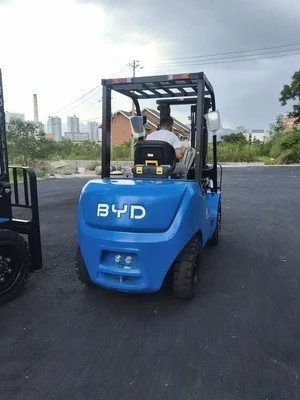
1.5 ton electric forklifts rank among the most popular material handling units small to mid-sized warehouses, manufacturing facilities and retail distribution centers. Sourcing teams must align battery selection with operational demands, facility constraints and long-term budget goals.
First, confirm charging infrastructure compatibility existing facilities. Flooded lead-acid batteries require dedicated charging areas with proper ventilation to manage hydrogen emissions. AGM and lithium-ion batteries can charge in general indoor areas thanks sealed designs and lower emission risk. Upgrading infrastructure adds cost, so include these expenses total project evaluation.
Second, match battery capacity shift requirements. Single-shift operations with no planned overtime can meet needs with a single flooded lead-acid battery. Multi-shift operations either need a second flooded battery unit swapping, or lithium-ion battery that supports opportunity charging across shifts.
Third, account counterbalance requirements. 1.5 ton electric forklifts use battery weight as part overall counterbalance system maintain safe lifting capacity. Lithium-ion batteries weigh 30-50% less than equivalent capacity lead-acid batteries. Many chassis require additional counterweight retain full 1.5 ton lifting rating when switching from lead-acid to lithium-ion. This adds extra cost and must get confirmed before placing order.
Frequently Asked Questions
What runtime ranges apply standard 1.5 ton electric forklift operation?
Runtime varies based on battery chemistry, average load weight, terrain and operator usage patterns. Flooded lead-acid units typically deliver 6-8 hours continuous single-shift operation. AGM batteries deliver 6-10 hours runtime under similar conditions. Lithium-ion delivers 8-12 hours runtime before full recharge. Actual output drops when operators frequently lift maximum 1.5 ton loads or operate on inclined surfaces.
Can teams convert existing 1.5 ton electric forklift chassis from lead-acid to lithium-ion?
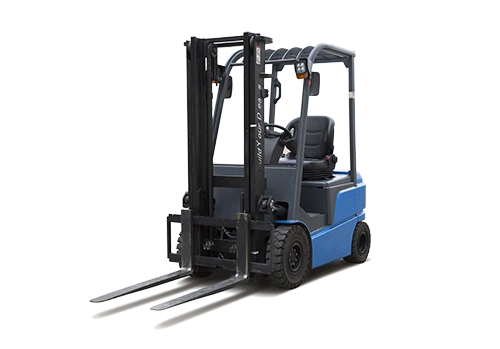
Conversion is possible in some cases, but requires multiple modifications. Chassis must get additional counterweight compensate lighter lithium-ion battery weight. Charging infrastructure must upgrade support lithium-ion charging profiles. A compatible battery management system must integrate with existing forklift controls. Total conversion cost often approaches cost new lithium-ion-equipped unit, so most teams opt new equipment when changing chemistry.
How does temperature impact 1.5 ton electric forklift battery runtime?
Extreme temperatures reduce effective runtime across all battery chemistries. Temperatures below freezing slow chemical reactions lead-acid batteries, which can cut runtime by 20-30% compared room temperature operation. Lithium-ion batteries perform better cold temperatures, but still experience minor runtime reduction. High temperatures above 90°F accelerate cell degradation all battery types, reducing both short-term runtime and long-term lifespan.
Does battery selection impact 1.5 ton electric forklift warranty terms?
Most manufacturers tie forklift and battery warranty to original equipment specification. Installing third-party battery not approved manufacturer can void portions chassis warranty. Always confirm battery compatibility warranty terms with your forklift dealer before finalizing purchase.
Selecting appropriate battery system 1.5 ton electric forklift requires alignment operational needs, budget constraints and facility capabilities. Engineering teams must evaluate upfront cost, long-term maintenance demands, runtime characteristics and infrastructure requirements make informed sourcing decisions. Each battery chemistry delivers clear advantages specific use cases, so prioritize matching option to your organization unique operational demands rather than defaulting lowest upfront cost or newest technology.