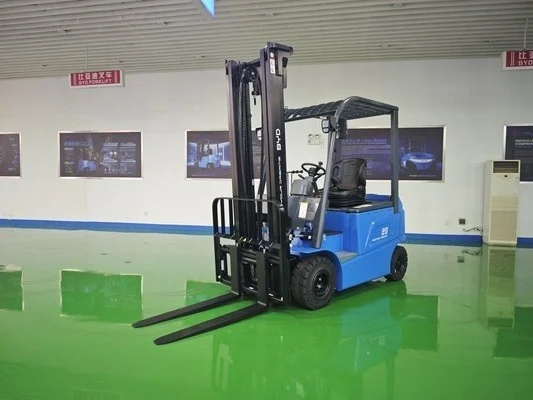
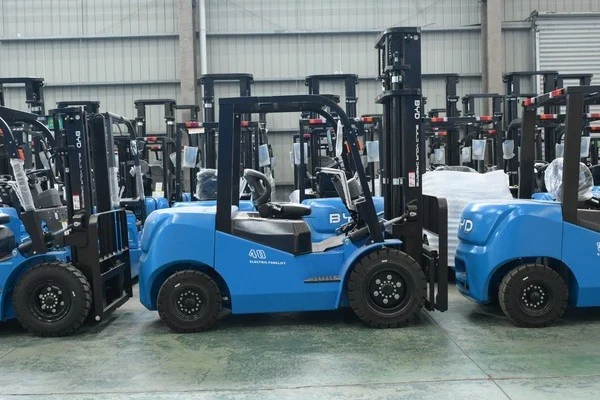
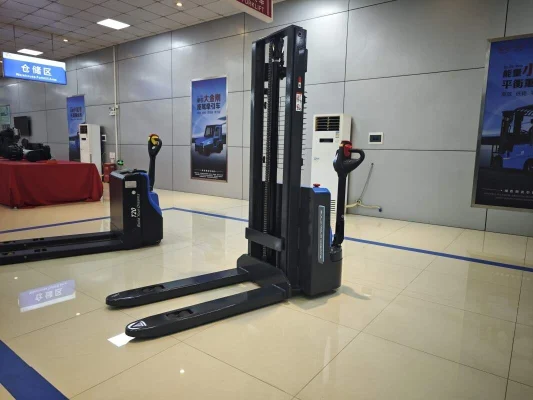
1.5 ton electric forklift Compatibility With Connected Automated Warehouse Control Systems
News 15/10/2026
A 1.5 ton electric forklift serves many handling tasks within port and freight yard connected automated warehouse zones, where consistent communication between material handling equipment and central control systems keeps operations flowing. Many port operations integrate smaller electric forklifts into automated on-site storage areas, so verifying compatibility with connected control systems becomes a critical step during procurement.
Core Compatibility Requirements Port & Freight Yard Operations
Port and freight yards often combine manual and automated handling tasks, with 1.5 ton electric forklifts typically moving cargo from intermodal containers to on-site automated storage zones. Connected control systems rely on real-time data sharing to route tasks, track inventory and adjust workflows.
Communication Protocol Alignment
Modern connected automated control systems use standard industrial protocols to exchange data. Buyers need to confirm the 1.5 ton electric forklift’s on-board control unit supports the same protocol your existing system uses. Common protocols include Modbus TCP, Ethernet/IP and MQTT, but each system may require specific versions.
How to check: Request a full protocol compatibility list from your forklift supplier, and run a 1-hour connection test with your existing control system before final acceptance. This catches configuration mismatches that cause delayed task updates or lost data packets.
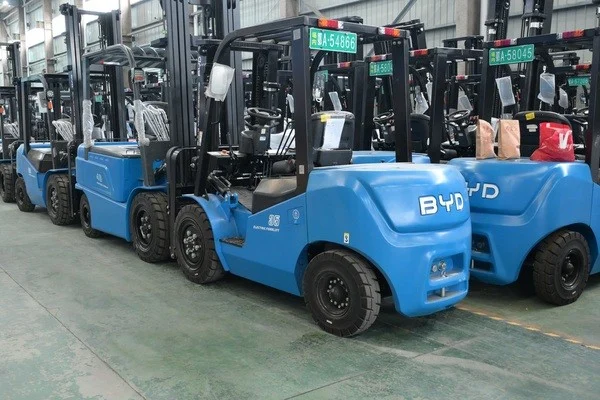
Hardware Integration Needs
Connected systems require on-board sensors to track forklift location, load status and battery level. Port and freight yard operations expose equipment to constant vibration, dust and occasional moisture, so sensors need matching industrial protection ratings.
- GPS or UWB location sensors must have rugged enclosures to withstand daily movement across uneven yard surfaces
- Load sensors need calibrated output that matches your control system’s input requirements
- Battery management system (BMS) data must be accessible to the central control system to schedule charging during idle periods
Configuration tradeoffs: Standard consumer-grade location sensors cost less, but fail faster in port environments. You can opt for ruggedized sensors as an add-on, but confirm the cost and delivery lead time before placing your order.
Key Configuration Checks Port & Freight Yard Buyers
| Parameter/Configuration | Port Operation Risk | Required Supplier Documentation | Availability |
|---|---|---|---|
| Communication protocol support | Data dropouts cause workflow delays | Protocol version compatibility statement | Most new models offer standard options, custom integration requires confirmation |
| Sensor enclosure IP rating | Dust and moisture damage causes early failure | Enclosure protection rating certification | Ruggedized units are optional add-ons |
| Real-time data update frequency | Incorrect task routing causes congestion | Minimum and maximum update interval specifications | Standard on all connected-ready models |
| Offline operation capability | Network outages stop all operations | Offline task storage capacity details | Optional on most entry-level connected models |
Each row above highlights areas where port-specific conditions create extra compatibility risks that generic warehouse guides often overlook. Coastal port operations also add salt air corrosion risks, so you need to add corrosion protection verification to your check list if your site locates near the ocean.
Procurement Step Checklist Before Final Approval
- Share your connected control system’s protocol version and configuration details with the forklift supplier early in the negotiation process
- Request a written compatibility confirmation that covers all required data points your central system needs (location, load, battery, task status)
- Schedule an on-site connection test with the exact forklift model you intend to purchase, run the test under your normal yard operating conditions
- Verify all sensor readings match actual on-board values and update correctly in your central control system
- Confirm post-installation support includes troubleshooting integration issues within your existing system infrastructure
Limitations: Even full compatibility testing cannot account future system updates you may apply to your central control system. Ask your supplier whether they provide free firmware updates for the forklift’s on-board control unit to match future system changes.
Frequently Asked Questions
Can I retrofit an existing non-connected 1.5 ton electric forklift to work with my automated control system?
Retrofitting works in some cases, but you must budget extra cost and address potential compatibility gaps. Older forklift models may lack the on-board computing power to support continuous data transmission. You also need to run a full compatibility test after retrofitting to confirm all functions work as expected.
Do all 1.5 ton electric forklift models work with any connected automated control system?
No, compatibility depends on protocol alignment, hardware configuration and supported data points. Each connected control system has unique requirements, so you must verify details with both your system provider and forklift supplier before purchase.
What happens if my 1.5 ton electric forklift loses connection to the central control system during operation?
Outcome depends on whether the forklift supports offline operation. Models with offline capability store completed task data locally and sync once connection restores. Models without offline capability stop accepting new tasks until connection returns. This can create minor workflow delays in port operations, so offline capability becomes a high-priority feature many buyers choose.