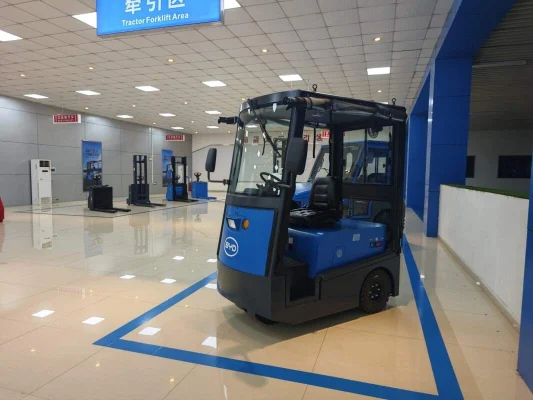
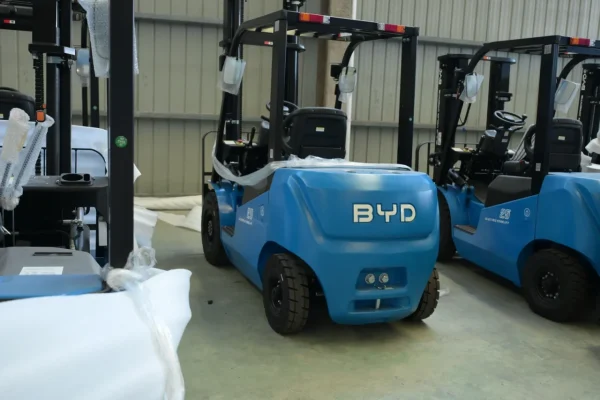
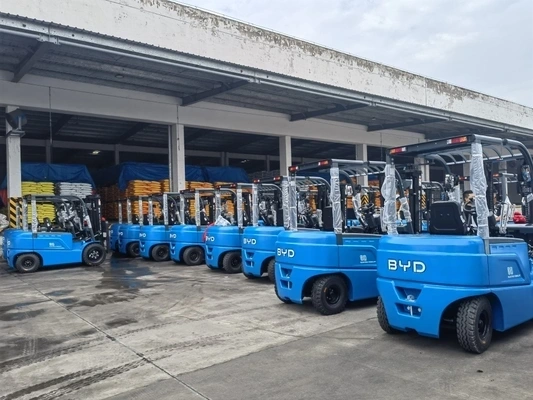
1.5 Ton Electric Forklift Noise and Emission Profiles Meeting Regulated Indoor Manufacturing Facility Standards
News 11/10/2026
Core Regulatory Requirements Indoor Manufacturing Facilities
Indoor manufacturing spaces enforce strict limits on on-site equipment output to protect worker health and maintain safe operational environments. Most global regulatory bodies set clear thresholds covering both noise output and pollutant emissions from equipment operating inside enclosed buildings. Internal combustion forklifts typically exceed these thresholds, even smaller units, because they produce exhaust fumes and generate higher noise levels during operation. 1.5 ton electric models directly address these gaps, aligning with the strict rules governing enclosed work spaces.
Common Noise Thresholds Enclosed Workspaces
Most regulatory frameworks cap continuous 8-hour worker exposure to noise at 85 decibels. Well-designed 1.5 ton electric forklifts operate between 60 and 75 decibels during typical load handling, which falls well under this limit. This range eliminates risk of cumulative hearing damage over shifts, and also allows clear communication between workers on the facility floor.
Battery-powered drive systems produce far less mechanical noise than internal combustion engines, which cuts overall output significantly even when lifting maximum rated loads. Older or poorly maintained electric units can see increased noise from worn components, so regular maintenance keeps output within compliant ranges.
Emission Profiles 1.5 Ton Electric Forklifts
Enclosed indoor facilities ban direct tailpipe emissions from fossil fuel-powered equipment, due to risks of carbon monoxide buildup and poor air quality. 1.5 ton electric forklifts produce zero direct on-site emissions during operation. This makes them compliant with almost all indoor facility regulations across North America, Europe, and most other global regions.
Indirect Emission Considerations
While the forklift itself produces no on-site emissions, facilities must account for emissions tied to battery charging. If a facility powers charging infrastructure with renewable energy sources, overall lifecycle emissions remain extremely low. Facilities relying on grid power from fossil fuels still see far lower total emissions compared to continuous use of internal combustion forklifts.
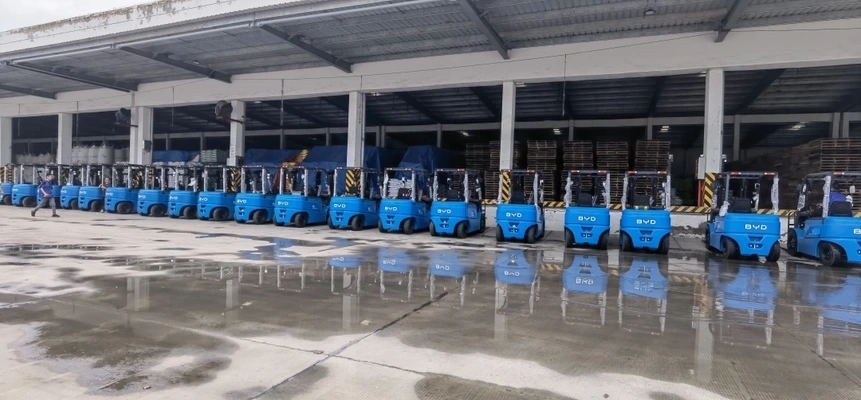
Even with this consideration, 1.5 ton electric models meet all regulatory rules governing on-site indoor operation, because most regulations focus exclusively on direct emissions within the facility working space.
Practical Selection and Operational Limits
Not all 1.5 ton electric forklifts automatically meet indoor facility standards, so buyers need to verify key specifications before purchase. First, confirm noise output ratings from the manufacturer, documented during official unit testing. Avoid older or modified models that may have degraded noise insulation, which can push output over regulatory thresholds.
Second, confirm battery type and enclosure. Lead-acid batteries require proper ventilation during charging, but this impacts indoor operation only when charging occurs within the main production area. Facilities that locate charging stations in separate, ventilated spaces eliminate this issue entirely. Lithium-ion batteries produce less off-gassing during charging, making them compatible with charging in general production areas in most cases.
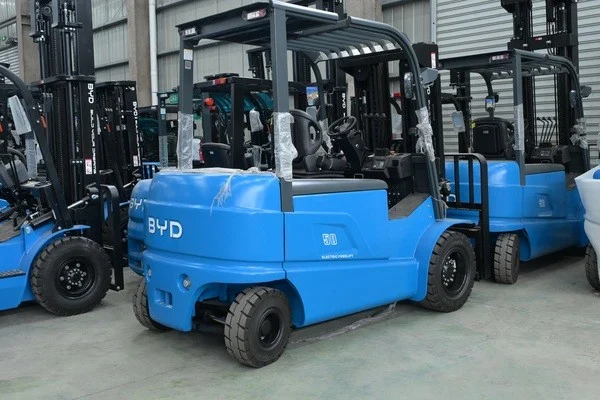
Assumed application scenarios include small parts manufacturing, automotive assembly lines, food processing facilities, and warehousing spaces attached to production floors. All these areas require compliance with indoor health standards, so 1.5 ton electric units fit operational needs perfectly. Their compact size also allows easy maneuvering through narrow production aisles, another benefit to indoor spaces.
Key limits to consider: 1.5 ton electric models have lower maximum lift capacity than larger internal combustion units, so they only handle loads within their 1.5 ton rating. They also require regular charging breaks, so facilities need planned rotation to avoid operational downtime. Cold storage facilities with extremely low temperatures may require specialized cold-rated batteries to maintain performance and keep noise output within compliant ranges. High-moisture or washdown environments also require specialized sealed components to prevent damage and maintain long-term compliance.
Frequently Asked Questions
Do 1.5 ton electric forklifts meet OSHA indoor noise standards?
OSHA sets 85 decibels as the 8-hour time-weighted average exposure limit. Most modern 1.5 ton electric forklifts operate well below this threshold during regular use, so they meet OSHA indoor operation standards. Facilities should still verify manufacturer-published noise ratings to confirm alignment with their specific location requirements.
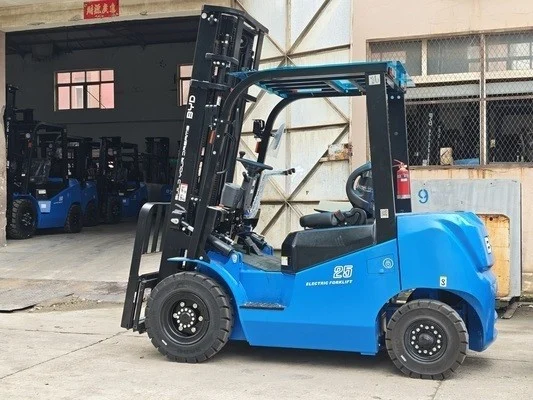
Can 1.5 ton electric forklifts operate in food manufacturing indoor spaces?
Yes. Because 1.5 ton electric forklifts produce zero direct on-site emissions, they align with most food manufacturing facility regulatory rules governing indoor operation. Facilities focused on food safety can also select models with sealed, corrosion-resistant frames that meet additional sanitation guidelines.
What are the main risks using non-compliant forklifts indoor manufacturing spaces?
Non-compliant internal combustion forklifts can expose workers to harmful pollutant buildup and excess noise, leading to health risks and potential regulatory fines. Facilities found violating indoor emission or noise standards can face penalties from local occupational health bodies, plus increased worker compensation claims tied to preventable health issues.