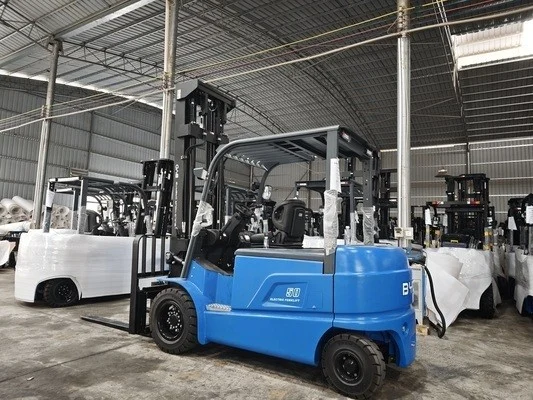
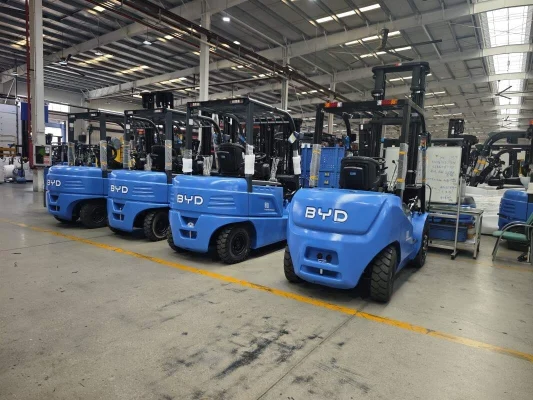
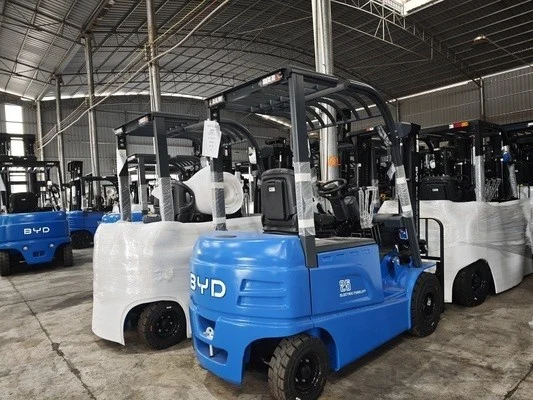
Design Characteristics of 2 ton electric forklift That Influence Long-Term Operational Reliability
News 05/10/2026
Core Frame and Chassis Design
The 2 ton electric forklift relies on a rigid, stress-tested frame to absorb repeated load cycles and uneven warehouse floor impact. Lower quality frames use thinner gauge steel with fewer reinforced weld points, leading to premature fatigue cracking over 3-5 years of regular use. Design characteristics that boost long-term reliability include fully welded one-piece chassis construction, reinforced stress points at the mast mount and axle connections, and corrosion-resistant coating for undercarriage components. Wait, no, correction: corrosion-resistant coating applied to undercarriage components. Operating in wet or humid environments requires extra corrosion protection; uncoated steel frames develop rust that weakens structural integrity much faster than sealed, coated alternatives.
Mast and Lifting Assembly Design
Chain and Cylinder Configuration
The mast assembly handles all lifting work, so its design directly dictates long-term reliability. High strength lift chains with properly spaced anchoring points reduce uneven wear that leads to unexpected breakage. Sealed hydraulic cylinders prevent dirt and moisture from entering the hydraulic system; open cylinder designs allow contaminants to scratch cylinder walls, causing leaks and reduced lifting performance over time. Most 2 ton electric forklift use either single or double cylinder configurations; double cylinder setups distribute lifting weight more evenly, reducing strain on each component and extending service life.
Mast Guide Roller Design
Sealed, pre-lubricated guide rollers eliminate frequent manual re-greasing needs and prevent dirt buildup that wears down mast rails. Low quality forklifts often use unsealed rollers that require weekly maintenance; skipped maintenance leads to rapid wear and sloppy mast movement that reduces load control and increases accident risk.
Battery and Powertrain Design
The electric powertrain is the heart of 2 ton electric forklift reliability. Key design characteristics that boost long-term performance include enclosed motor and controller housings that protect sensitive electronic components from dust, moisture and debris. Exposed controllers and motors are much more likely to fail prematurely when exposed to common warehouse or yard contaminants. Thermal management systems prevent overheating during heavy continuous operation; unregulated battery and motor temperatures reduce overall battery lifespan and increase risk of sudden controller failure. Different battery chemistries also impact long-term performance: lead-acid batteries require regular maintenance to maintain capacity, while lithium-ion batteries feature sealed designs that reduce maintenance needs and extend usable life when operated within manufacturer specifications.
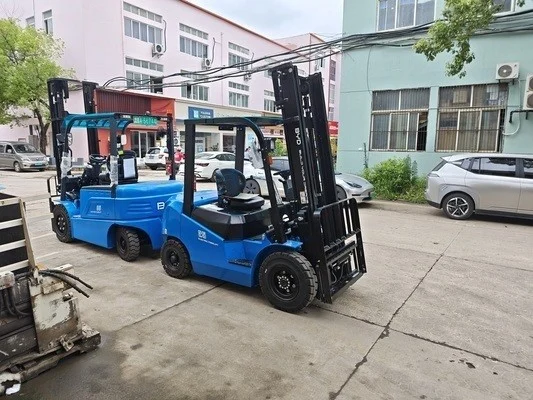
Brake System Design Characteristics
Reliable braking is critical to safe, long-term 2 ton electric forklift operation. Regenerative braking systems common to electric forklifts reduce wear on friction brake pads, extending service intervals. Sealed wet disc brakes outperform open drum brakes in dirty or wet environments, as the sealed housing prevents contaminants from wearing down brake surfaces. Open drum brakes require frequent adjustment and cleaning, leading to higher maintenance costs and increased risk of brake failure over time.
Practical Guidance When Selecting Your 2 ton electric forklift
When evaluating 2 ton electric forklift for long-term reliability, focus on these key checks before purchase: 1. Inspect frame construction: Confirm the chassis uses one-piece fully welded construction, and all exposed structural components include corrosion protection matching your operating environment. 2. Ask about component sealing: Check that all hydraulic cylinders, roller bearings, brake assemblies and electronic components include sealed housings to block contaminants. 3. Verify thermal management: Electric models with active battery and motor thermal management deliver better reliability under heavy daily use than models without this feature. 4. Match design to your operating conditions: If you operate outdoors or in wet environments, prioritize extra corrosion protection and sealed components. If you run multiple shifts daily, a lithium-ion battery with thermal management will deliver better long-term reliability than a basic lead-acid model.
Key limitations to keep in mind: Even the best designed 2 ton electric forklift will fail prematurely without regular scheduled maintenance aligned with manufacturer requirements. Design characteristics improve baseline reliability, but they cannot replace consistent inspection and upkeep.
Frequently Asked Questions
What design feature extends 2 ton electric forklift service life most?
Structural frame and chassis design delivers the biggest impact on long-term operational reliability. A weak, corroded frame creates cascading stress on all other components, leading to widespread premature failure. A rigid, corrosion-protected frame supports all other assemblies and keeps components properly aligned through years of regular use.
Are lithium-ion batteries more reliable than lead-acid batteries in 2 ton electric forklift?
Lithium-ion batteries feature sealed, maintenance-free designs that reduce common points of failure associated with lead-acid batteries, such as low electrolyte levels and corrosion on terminal connections. However, lithium-ion models require properly designed thermal management systems to maintain long-term reliability; low-cost lithium-ion models without thermal management can experience premature capacity loss.
How does operating environment impact design related reliability?
Dusty, wet, or cold environments accelerate wear on unprotected components. Designs with full sealing and corrosion protection maintain reliability much longer in harsh conditions than basic designs built only for indoor, dry warehouse use. Buyers must match the unit’s design characteristics to their specific operating conditions to achieve expected long-term reliability.
Can aftermarket modifications improve 2 ton electric forklift long-term reliability?
Minor modifications such as adding aftermarket corrosion coating to undercarriage components can boost reliability in harsh environments. However, major modifications that change load capacity or powertrain configuration often void manufacturer warranties and can create additional stress that reduces overall reliability long term.
Final Considerations
Long-term operational reliability of 2 ton electric forklift depends far more on core design characteristics than initial purchase price. Lower cost models often cut corners on structural reinforcement, component sealing, and thermal management, leading to higher maintenance costs and shorter service life over the unit’s lifespan. By prioritizing the design characteristics outlined in this guide, buyers can select a 2 ton electric forklift that delivers consistent performance through years of regular use. Always align your design selection with your specific operating conditions and follow manufacturer maintenance guidelines to maximize service life.