How Regenerative Braking Systems Affect 2 ton electric forklift Energy Consumption And Component Wear
News 15/10/2026
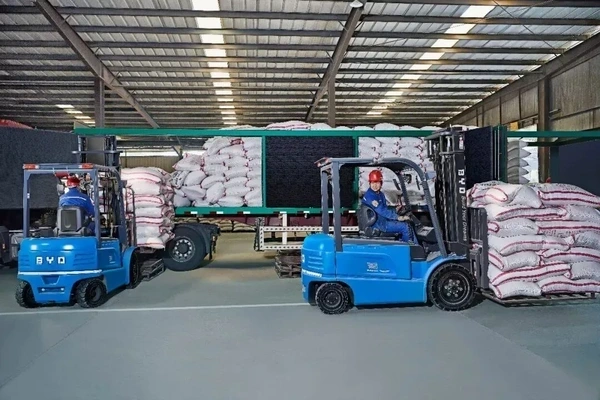
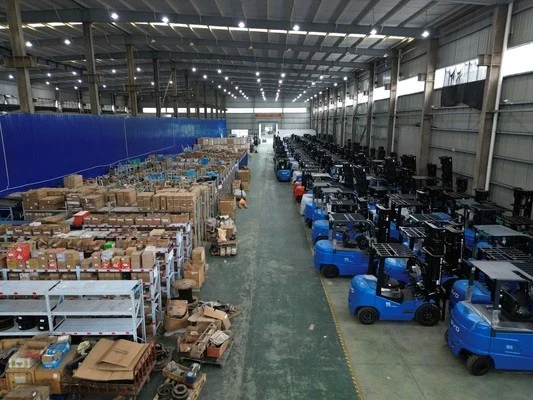
Retail and e-commerce delivery warehouses rely on 2 ton electric forklifts to move high volumes of pallets between storage racks, loading docks and order packing zones. Most operations include frequent stop-start cycles that activate braking systems dozens of times per hour. Regenerative braking systems alter both energy draw and long-term wear of key forklift components, creating unique tradeoffs operations need to evaluate before purchase.
Basics Of Regenerative Braking In Retail E-Commerce Delivery
Unlike traditional friction braking systems that convert kinetic energy into heat and waste it, regenerative braking converts excess kinetic energy back into electrical current that feeds the forklift battery. This design aligns with the stop-heavy work patterns common in retail delivery warehouses, where operators constantly slow or stop to maneuver around narrow aisles, avoid pedestrian traffic and position pallets onto racks.
Two main regenerative braking designs exist today, each with different performance tradeoffs in retail settings:
- Motor-based regeneration: Uses the forklift traction motor as a generator during deceleration. Most models include this design as a base option.
- Hydraulic regeneration: Captures energy from both deceleration and lowering of loaded forks. This design counts as an add-on option from most manufacturers.
Impact On Energy Consumption
Retail and e-commerce delivery operations often run multiple shifts per day, so energy costs make up a large portion of total forklift ownership expenses. Regenerative braking recaptures energy that would otherwise go to waste, which reduces overall battery draw during full shifts.
The amount of recaptured energy depends entirely on your operation’s specific work pattern. Operations with more stops, more downhill travel and frequent loaded fork lowering see larger energy reductions. Operations with long, continuous travel between stops see smaller gains. No universal fixed percentage applies, so you need to share your daily duty cycle with your supplier to get an accurate estimate of potential energy savings.
Lower energy consumption also extends battery runtime between charges. In multi-shift retail operations, this can cut the number of extra battery swaps during peak hours, but only if your duty cycle supports enough energy recapture. You need to confirm expected runtime changes with your supplier based on your specific facility layout.
Impact On Component Wear
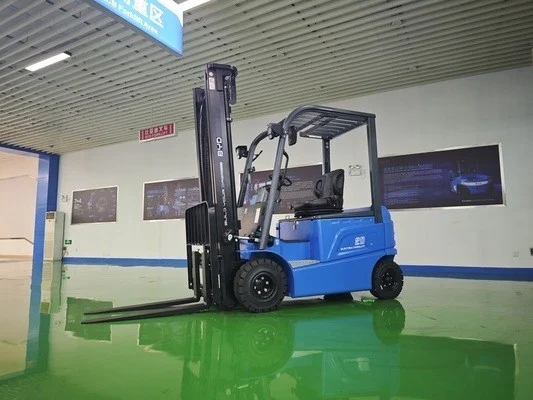
The biggest change to component wear comes from reduced use of friction brake pads and brake rotors. Every time regenerative braking activates first to slow the forklift, it reduces how often friction brakes need to engage to bring the vehicle to a full stop. This directly lowers wear rate on friction brake components.
Regenerative braking does place extra load on other system components, including the traction motor and battery management system (BMS). Over time, this additional load can increase wear on these components, though the magnitude depends on component design and manufacturing quality. You need to review manufacturer warranty terms to confirm coverage of regenerative system components.
In retail operations with frequent stops, the reduction in brake wear almost always outweighs any extra wear on motor and BMS components. This translates to longer service intervals related to brake maintenance, which reduces unplanned downtime during peak delivery periods.
Key Configuration And Selection Criteria Within Retail Operations
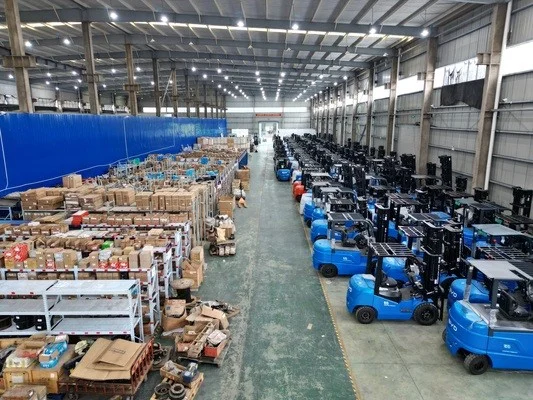
The table below outlines key criteria to evaluate when selecting a 2 ton electric forklift with regenerative braking within your retail e-commerce facility:
| Configuration | Industry Risk | Required Supplier Confirmation | Standard Or Optional |
|---|---|---|---|
| Motor-based regenerative braking | Low energy recapture if under-sized motor is installed | Minimum recapture efficiency rate under your expected duty cycle | Standard on most models |
| Hydraulic regenerative braking | Higher upfront cost that may not offset energy savings in low-volume operations | Additional recapture percentage from fork lowering, added component cost | Optional add-on |
| BMS support | Overcharging or reduced battery lifespan if BMS can not handle incoming regenerated current | BMS rating compatibility with regenerative current output | Required, confirm with supplier |
| Warranty coverage | Unexpected repair costs if regenerative components are excluded from base warranty | Full warranty terms covering traction motor, BMS and braking components | Requires separate verification |
Before finalizing your purchase, complete these verification steps:
- Share your facility’s average number of stops per hour, aisle width and typical daily runtime with your supplier.
- Request a written estimate of expected energy use changes based on your specific duty cycle.
- Inspect warranty documentation to confirm coverage of all regenerative system components.
- Test the system in your facility with a demo unit to confirm braking response matches your operator needs.
Frequently Asked Questions
Does regenerative braking work on 2 ton electric forklifts carrying full loads?
Regenerative braking systems work with both partial and full loads, but higher kinetic energy from fully loaded trucks translates to more recaptured energy. You need to confirm the system’s maximum regenerative capacity matches your typical maximum load weight with your supplier.
Can I add regenerative braking to an existing 2 ton electric forklift?
Most older 2 ton electric forklift models do not support aftermarket retrofits, due to BMS and motor design limitations. Some newer models allow add-on hydraulic regeneration, but you need to confirm compatibility directly with the original equipment manufacturer.
Will regenerative braking change my forklift maintenance schedule?
It reduces service frequency related to brake pad and rotor replacements, but adds required periodic inspections of the motor and BMS. Your overall maintenance cost will usually decrease, but exact changes depend on your work pattern and system design.
In retail and e-commerce delivery operations with frequent stop-start cycles, regenerative braking systems deliver clear net benefits, but only when configured correctly to match your facility’s specific duty cycle. Always verify all performance claims and warranty terms directly with your supplier before making your purchasing decision.