Critical Inspection Checks When Purchasing Pre-Owned Electric Forklift UK Equipment
News 14/10/2026
Pre-Purchase Visual Inspection Checks
Visual inspection forms the first line of defense against faulty pre-owned electric forklift purchases. Even units that look good on the surface can hide serious structural issues that create safety hazards and expensive repair bills later.
Frame & Chassis Condition
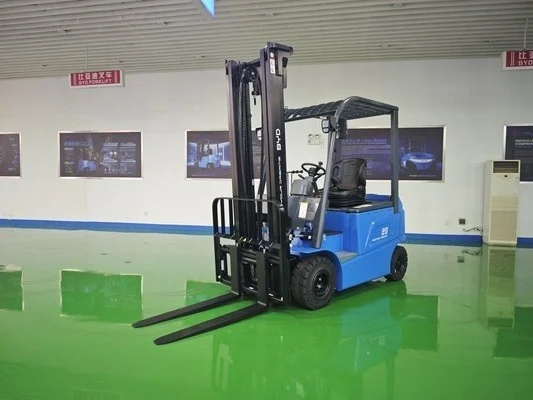
Start your inspection with the forklift core frame and chassis. Inspect the structure to identify visible cracks, excessive corrosion, and unprofessional weld repairs that do not align with manufacturer specifications. UK workplace health and safety rules require forklift structures maintain full integrity to support rated load capacity. Any significant damage to the frame or chassis means you should reject the unit immediately.
Mast & Lifting Mechanism
The mast handles all lifting operations, so wear here directly impacts safety and performance. Inspect mast rails to locate bends or cracks, check chain links for stretch or visible wear, and check all hydraulic seals to locate leaks. Operate the mast through its full lift and lower range to spot uneven movement or unusual noises. Any inconsistent motion points to excessive wear that will require early repairs.
Tyre & Steering Components
Most electric forklifts use solid tyres designed for warehouse and factory floors. Check each tyre to locate deep cracking, tread chunking, and uneven wear patterns. Inspect wheel nuts to confirm none are loose, and test steering to measure play. Excessive steering play beyond manufacturer tolerances indicates worn steering components that need replacement before the unit enters service.
Key Mechanical & Electrical System Tests
Visual checks only capture surface issues. You must test core mechanical and electrical systems to confirm the pre-owned electric forklift delivers reliable performance.
Battery System Evaluation
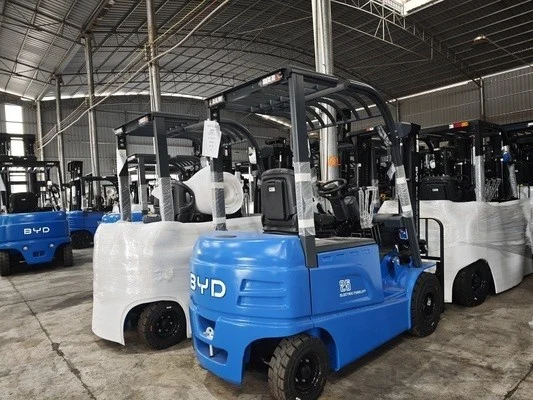
The battery represents the most expensive single component on any electric forklift. Most pre-owned units reach end of service life when the battery can no longer hold the minimum required charge to support full shifts. Request the seller share results from a full charge cycle test. Check battery terminals to identify corrosion, inspect power cables to locate fraying, and confirm battery enclosure seals remain intact. Note that lithium-ion battery replacement costs often equal half the purchase price of a typical pre-owned electric forklift, so factor this into your budget before you buy.
Hydraulic & Drive System Testing
Operate the mast through its full range of movement to check for jerky motion or unusual grinding or squealing noises. Check all hoses and connection points to locate visible hydraulic leaks. If possible, load the mast to the unit’s maximum rated capacity to confirm holding pressure stays consistent. The mast should not drop suddenly when holding a load at full height. Test forward and reverse drive across all speed settings to confirm smooth acceleration and deceleration, no unexpected jolts or loss of power.
Controller & Safety Feature Check
Modern electric forklifts rely on solid-state motor controllers to regulate power delivery. Test all drive and lift functions to confirm responsive, consistent operation. Check every safety feature included on the unit: horn, headlights, brake lights, emergency stop button, seatbelt, tilt sensor, and any automatic load cutout features. Every safety component must activate and operate exactly as designed. Faulty controllers cost hundreds of British pounds to replace, so catching this issue before purchase saves significant money later.
Documentation & Regulatory Compliance Checks
Non-compliant equipment creates legal and safety risks your business must avoid. Always verify all documentation before you complete any pre-owned electric forklift purchase in the UK.
UK Regulatory Requirements
All lifting equipment operated on UK workplaces must hold current, valid LOLER (Lifting Operations and Lifting Equipment Regulations 1998) certification. Check the certification document to confirm the serial number matches the forklift you inspect. LOLER inspections for workplace forklifts require renewal every six months, so confirm the inspection date falls within this window. Also verify the unit carries a valid CE marking that matches its original manufacturer specification. Unapproved structural or electrical modifications invalidate compliance and create safety risks.
Maintenance & Repair History
Consistent, regular maintenance directly extends an electric forklift’s service life. Request the seller share complete maintenance logs covering the unit’s entire service life. Review logs to identify clear records of battery service, major component replacements, and scheduled service intervals. Gaps in maintenance history mean higher risk of unexpected breakdowns soon after purchase. Units with consistent, well-documented maintenance deliver better long-term value, even if their upfront price is slightly higher.
Frequently Asked Questions
What documents do I need from a pre-owned electric forklift seller in the UK?
You need four core documents: valid up-to-date LOLER certification, complete maintenance and repair history, proof of original CE marking, and a receipt of purchase that includes the unit’s serial number. Always check document details match the physical unit you inspect before committing to buy.
How do I check battery health on a pre-owned electric forklift?
The most reliable method involves a full charge and discharge test conducted by a qualified electric forklift technician. This test measures how much charge the battery can hold after a full charge cycle. You can also check the number of charge cycles the battery has completed, and test voltage levels while the battery operates under load to spot excessive voltage drop that indicates worn cells.
Are pre-owned electric forklifts legal to operate on UK work sites?
Pre-owned electric forklifts are legal to operate as long as they meet all current UK HSE requirements, hold valid LOLER certification, and pass all necessary safety inspections. Unapproved modifications or expired certification make operation illegal, so always verify compliance before use.
Do I need an independent inspector to complete these checks?
If your business has in-house staff with qualified experience inspecting lifting equipment, you can complete checks internally. If you lack this expertise, hiring an independent qualified lifting equipment inspector adds a layer of protection against hidden issues. The small inspection fee prevents much higher costs from unexpected repairs or non-compliance fines.
Purchasing pre-owned electric forklift UK equipment delivers significant upfront cost savings compared to buying new, but thorough inspection eliminates hidden risks that erode those savings. Always work through all checks outlined above before committing to purchase. When in doubt, bring in outside expert support to confirm the unit meets your operational and safety requirements. This approach ensures your investment supports long-term reliable operation and stays fully compliant with all UK workplace regulations.