2 ton electric forklift Noise Output Impacts Workplace Regulatory Compliance and Operator Comfort
News 18/10/2026
Core Connections Between Noise Output And Operational Outcomes
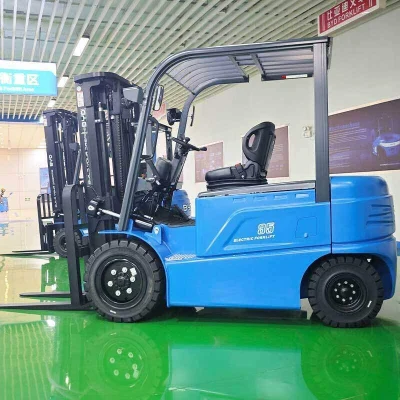
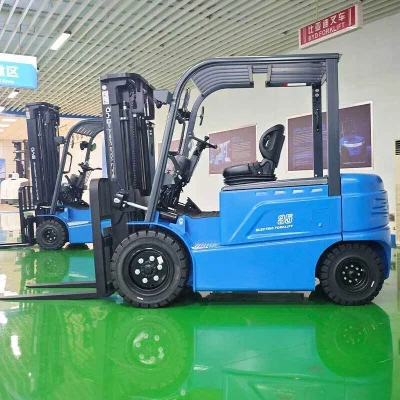
A 2 ton electric forklift ranks among the most widely used material handling equipment across warehousing, manufacturing, retail distribution, and food and beverage facilities. This load capacity matches the needs of most daily tasks: from moving palletized inventory to loading delivery trucks, stacking storage racks, and moving work-in-progress materials across production floors. Because these units see heavy, regular use in most facilities, their operational characteristics directly impact overall workplace conditions. A 2 ton electric forklift handles most common material handling tasks across warehouse and manufacturing facilities. Excess noise from this equipment creates two critical issues: it violates local workplace rules, and it erodes operator comfort over full shifts. Unlike internal combustion counterparts, electric models produce lower base noise levels, but variations in design, maintenance, and configuration still push some units above acceptable thresholds. This guide covers core impacts of noise output and key checks buyers complete during selection.
How Noise Levels Impact Workplace Regulatory Compliance
Regulations governing workplace noise set maximum exposure limits to protect worker hearing. Most global and regional occupational health frameworks focus on 8-hour time-weighted average exposure, a measurement that accounts total noise an operator encounters across an entire work shift. Because 2 ton electric forklifts see such frequent use, their noise output makes up a large portion of an operator’s daily cumulative exposure. Many procurement teams overlook this connection early in the selection process, only discovering overall exposure levels exceed legal limits after the unit enters service. Facilities must track cumulative exposure, and account each unit’s contribution to daily exposure operators face working with this equipment across multiple daily work hours. Facilities fail inspections when average noise levels exceed legal limits, leading to fines and mandatory equipment upgrades. In addition to direct penalties, repeated non-compliance can trigger increased regulatory oversight that disrupts overall facility operations.
Key Design Factors That Raise Noise Output
- Worn or unbalanced drive train components: older well used units often produce higher noise than new properly maintained models
- Hydraulic system design: poor fluid filtration or loose mounting lines increase vibration and noise during lift and lower operations
- Tire selection: solid hard rubber tires transmit more surface noise to the operator cabin than pneumatic or cushion variants engineered to reduce noise
- Missing cabin insulation: many base models exclude insulation as standard, raising cabin noise levels significantly
Noise Impact On Long Term Operator Comfort And Productivity
Constant exposure to high noise causes operator fatigue, increases distraction, and slows reaction times during loading and unloading tasks. Over time, repeated exposure to elevated noise also increases risk of long-term occupational hearing damage, a key occupational health concern for all facilities. Over multiple shifts, elevated noise leads to increased stress and higher risk of avoidable errors. Modern operations also face growing pressure to retain skilled forklift operators, and consistent high noise working environments directly lower job satisfaction. Operators are far more likely to leave roles with poor working conditions, adding unplanned costs associated with recruitment and new hire training. Operators working in open warehouse spaces also face overlapping noise from multiple units, compounding negative effects. Even small reductions in base noise output create measurable improvements in operator comfort throughout full work shifts.
| Check Item | Potential Operational Risk | Information To Confirm With Supplier | Available Configuration Options |
|---|---|---|---|
| Unloaded idle noise level | Exceeds facility exposure limits | Tested noise output under standard operating conditions | Add cabin insulation, vibration dampening mounts |
| Loaded lift noise level | Higher than advertised idle levels, increases cumulative exposure | Noise output at maximum rated load and full lift height | Upgraded hydraulic system silencing components |
| Tire type | Transfers excess surface noise from concrete or asphalt floors | Noise rating of selected tire variant | Noise dampening cushion tires |
| Cabin design | No isolation from power train and hydraulic noise | Factory measured cabin noise at operator ear level | Enclosed insulated cabin, vibration absorbing seat |
Pre-Purchase Verification Steps
Buyers can take specific steps to confirm noise output matches facility needs before finalizing purchase. First, request supplier documentation of noise measurements taken under standard test conditions matching your typical daily operations. Second, arrange on site demonstration with a loaded unit to measure noise at operator position using your own measurement tools if needed. Third, confirm which noise reducing features come standard versus which require additional investment.
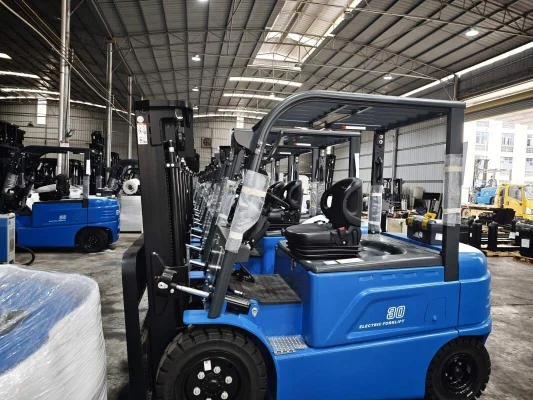
Configuration decisions depend on your facility’s specific constraints. Facilities located near residential areas or with strict internal noise limits may face additional requirements beyond regulatory workplace exposure rules, making noise reduction even more critical. If your facility operates within strict noise limits, investing in noise reducing options early avoids costly retrofits later. If your unit operates only occasional low hour shifts in large open spaces, base configurations may meet your needs.
Frequently Asked Questions
Do all 2 ton electric forklift produce similar noise output?
No. Noise output varies widely based on manufacturer design, selected components, added options, and unit maintenance status. New models from different brands can have significant differences in cabin noise levels even with similar load capacities.
Can I retrofit noise reduction features onto an existing 2 ton electric forklift?
Some upgrades, such as new tires or additional cabin insulation, work on most existing units. Major changes to hydraulic or drive train systems rarely make economic sense, so verify requirements before purchasing a base model without needed features.
How does rising noise signal issues with my unit?
Sudden increases in noise from an existing 2 ton electric forklift often signal worn components that need replacement. Regular maintenance checks include tightening loose mounts and replacing worn drive train parts to keep noise levels within expected ranges.
Procurement teams prioritizing noise output during selection align equipment choices with facility compliance goals and operator well being. Careful verification of noise levels and available configuration options avoids unexpected costs and compliance issues after delivery.