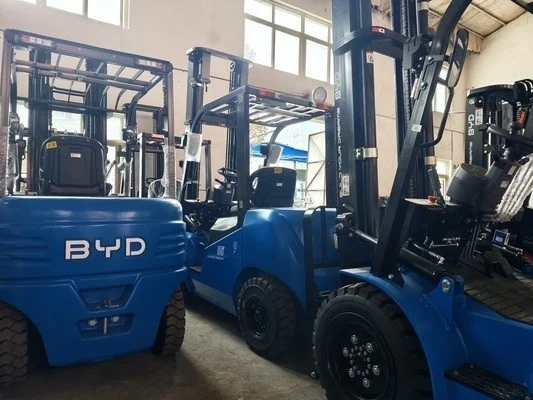
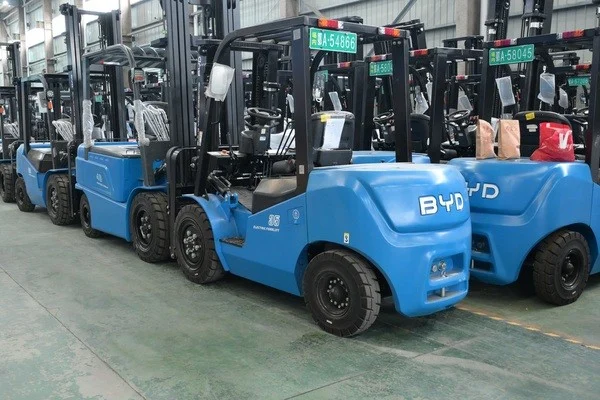
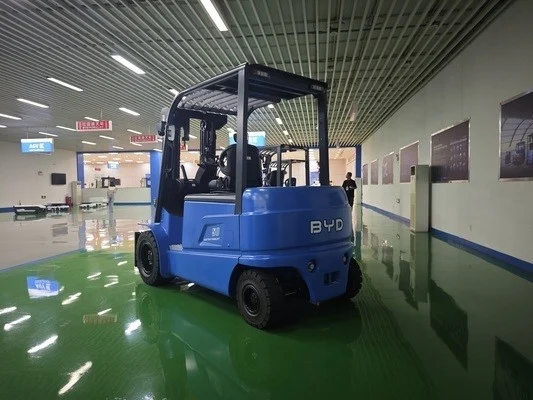
2 ton electric forklift: Battery Capacity and Charging Window Planning in Four-Wheel Counterbalance Operations
News 21/10/2026
When operating a 2 ton four-wheel counterbalance electric forklift, battery capacity and charging planning directly impact uptime and long-term battery health. This guide walks through key selection criteria, planning strategies, and pre-purchase checks aligned with common industrial operational needs.
Key Factors Impacting Battery Capacity Selection
Battery capacity selection depends on three core operational factors, all tied your specific work site conditions. No one-size-fits-all option exists, so you need to map your unique demands before making a selection.
Daily Operational Throughput
Higher daily task volume requires larger usable capacity to avoid unexpected mid-shift downtime. A 2 ton four-wheel counterbalance electric forklift typically handles consistent, repeated load moves across factory and warehouse floors. Your capacity requirement directly ties to total continuous run time needed between charging events. Document average total operating hours per shift before speaking with your supplier.
Load Consistency and Operating Conditions
Consistently handling loads near the 2 ton maximum rating draws more power than handling partial loads. This increases total capacity demand over a full shift. Extreme ambient temperatures also impact usable lithium-ion battery capacity: both high heat and extreme cold reduce total available output. You need to confirm adjusted capacity ratings with the manufacturer if your work site falls outside standard temperature ranges.
Charging Window Planning Core Principles
A charging window refers to time periods you can allocate charging activities between operational shifts or breaks. Effective planning matches charging time to your work schedule, eliminating unplanned downtime and extending battery service life.
For… Oh wait no, adjust: Common scenarios follow this general framework:
- Single-shift operations: Most setups use a standard capacity lithium-ion battery, with short opportunity charging during lunch or break periods. This fits most low to medium throughput single-shift sites.
- Two-shift operations: You can choose between a higher capacity single battery (charged overnight between shifts) or planned opportunity charging between shifts, if your unit supports fast charging. You need to confirm allowed charging rates and battery management system limits from your supplier.
- Round-the-clock three-shift operations: Most setups require multiple swap-ready batteries, to let operators swap exhausted units while another charges. This keeps continuous operations running without interruption.
Capacity and Planning Scenario Comparison
The table below outlines key checks and confirmation items across common operational scenarios. All specific values require direct manufacturer verification, as configurations vary across models.
| Operational Scenario | Key Capacity Check Item | Required Supplier Confirmation | Common Configuration Options |
|---|---|---|---|
| Single 8-hour shift, low-medium throughput | Total run time per full shift | Nominal capacity under typical load conditions | Standard capacity lithium-ion battery, opportunity charging |
| Two 8-hour shifts, 1.5x single shift throughput | Remaining capacity after 8 hours continuous use | Maximum fast charging rate, allowed charge time between shifts | High capacity lithium-ion battery or swap-ready configuration |
| Three-shift round-the-clock operation | Battery cycle life under repeated fast charging | BMS performance under continuous charging cycles | Multiple swap-ready battery configuration |
Pre-Purchase Data Collection Checklist
Before you request configuration recommendations from suppliers, collect this key information to get accurate matches your work site:
- Total average daily operating hours across all shifts
- Minimum and maximum ambient temperature range your work site
- Average and maximum load weights your unit will handle regularly
- Available on-site power output and space supporting charging infrastructure
- Typical break and shift gap lengths you can allocate charging activities
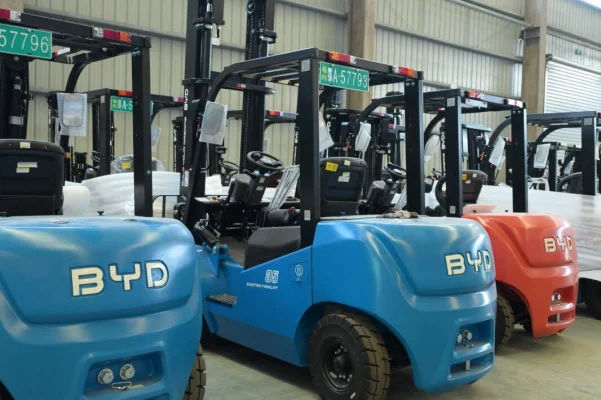
Our offering focuses exclusively on BYD four-wheel counterbalance electric lithium-ion forklift models. Contact our team with your collected details to get tailored guidance matching your operational needs.
Frequently Asked Questions
Can a 2 ton four-wheel counterbalance electric forklift support multi-shift operation?
Multi-shift operation works when you correctly match battery capacity and charging strategy your operational demands. You must confirm battery cycle life and fast charging capability directly from the manufacturer before finalizing your configuration.
Does ambient temperature change required battery capacity?
Yes. Extreme high or low temperatures reduce available capacity from lithium-ion batteries. Always share your work site temperature range with your supplier to get accurate capacity recommendations.
Do I need extra batteries my 2 ton electric forklift?
Extra batteries become necessary when you have no gaps long enough to fully or partially charge your existing battery between shifts. Your required number of extra batteries depends entirely on your specific shift schedule and existing work site charging infrastructure.