How Load Center Position Impacts 2 ton electric forklift Effective Handling Capacity
News 13/10/2026
What Is A Forklift Load Center
A load center describes the horizontal position of a load’s center of gravity, measured from the vertical front edge of a forklift’s forks to the center of the load. Manufacturers list nominal forklift capacity based on a standard load center distance. Common standard values sit at 600mm (24 inches), matching the center of gravity of a standard 48-inch wooden pallet.
This standard baseline lets buyers compare capacity across different models. Any shift in load center distance directly changes the torque pulling the forklift forward, which changes the maximum safe weight the unit can handle.
How Load Center Position Changes Effective Capacity
Forklifts rely on rear counterweight to balance load weight on the front forks. Torque equals load weight multiplied by load center distance. When load center moves further from the mast, forward torque increases even if load weight stays the same.
A 2 ton electric forklift’s nominal 2 ton rating only applies when the load center matches the manufacturer’s standard value. If the load center moves beyond this standard distance, forward torque rises above the safe balance threshold. This means the maximum safe load weight (effective capacity) drops to keep the forklift stable.
If the load center sits closer to the mast than the standard value, effective capacity rises slightly. Exact capacity changes depend on your forklift’s counterweight, mast design and overall chassis build. Always reference the manufacturer official load chart to get accurate capacity values across every possible load center distance.
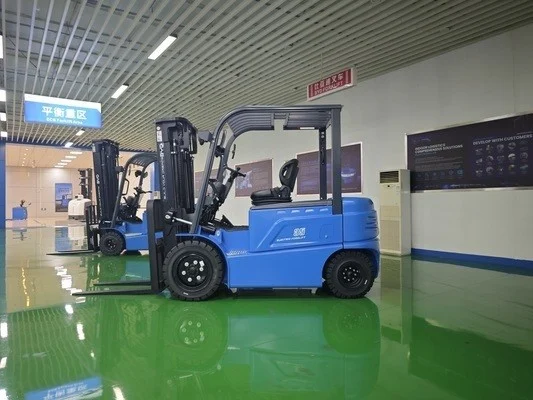
Common instances: A 2 ton electric forklift handling long lumber or large crates will often have a load center further out than the standard 600mm. This means the unit cannot safely lift a 2 ton load, even though the nominal rating is 2 tons.
Practical Guidance On 2 ton electric forklift Operation And Selection
Check Manufacturer Load Charts Before Any Non-Standard Lift
Never rely solely on the nominal 2 ton rating when you work with non-standard load sizes. Every 2 ton electric forklift comes with a load chart that lists maximum safe weight across every possible load center distance. Keep a copy of this chart near your forklift operation area, and confirm the maximum weight before you lift any out-of-spec load.
Adjust Your Selection To Match Your Common Load Types
If your business regularly handles large, long or oversized loads that push load center beyond the standard distance, you need to adjust your model selection. Nominal capacity does not match effective capacity when load center distances shift. Select a model with a higher nominal capacity than your average load weight, to ensure you maintain safe effective capacity when working with your typical loads.
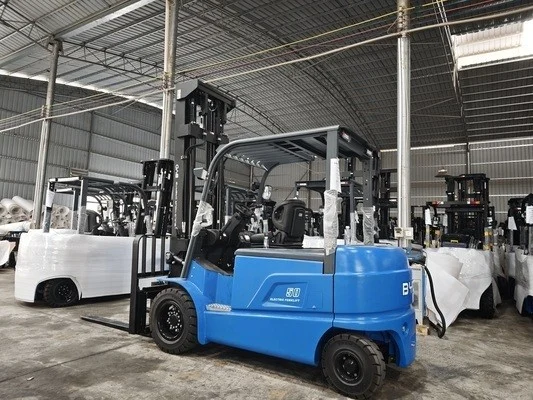
Adjust Operation To Reduce Load Center Distance
You can improve effective capacity during daily operation by placing loads as close to the mast as possible. When you position loads against the vertical back of the forks, you shorten the load center distance, lower forward torque and raise safe effective capacity. Avoid extending loads away from the mast when you do not need extra reach.
All guidance above comes with key limitations: No operation adjustment can overcome the chassis and mast structural limits of your 2 ton electric forklift. Always prioritize stability and safety over lifting heavier loads than your chart recommends.
Frequently Asked Questions
What happens when you use a 2 ton electric forklift with a load center beyond its rating?
Your forklift faces increased risk of forward tip over. Effective handling capacity drops below 2 tons, so you may exceed safe limits even when your load weighs less than 2 tons. This creates significant safety hazards to any operators nearby.
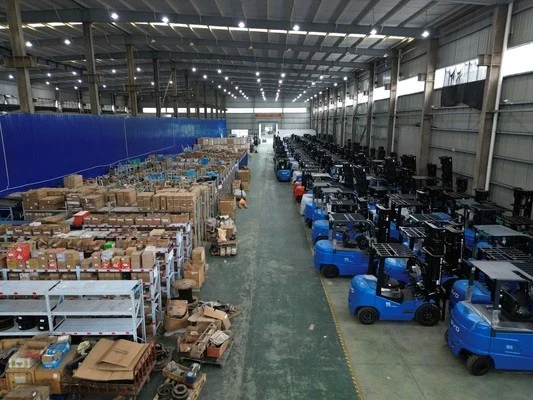
Can you increase effective capacity by moving load center closer to the mast?
Yes. Moving the load closer to the mast shortens the load center distance, lowers forward tipping torque and raises your forklift’s safe effective capacity. This remains one of the simplest, most effective operation adjustments you can make during daily use.
Do all 2 ton electric forklift use the same standard load center?
No. Standard load center values vary across regions and manufacturers. Most common values are 600mm (24 inches) across most global models, but some smaller compact units use 500mm as standard. Always confirm your model’s standard value with your supplier before purchase or use.
Do I need a higher nominal capacity if I regularly handle long loads?
Long loads typically push load center further from the mast. If your average load weight sits near 2 tons, you should select a forklift with higher nominal capacity to maintain safe effective handling. Always confirm capacity values using the manufacturer load chart before you complete your purchase.