Charging Infrastructure Compatibility Affects 3.5 ton electric forklift Long Term Operational Reliability
News 10/10/2026
Key Compatibility Factors That Impact Reliability
Voltage and Current Matching
3.5 ton electric forklift rely on either lead-acid or lithium iron phosphate battery packs to deliver consistent power. Mismatched voltage output from charging infrastructure triggers constant overcharge or undercharge cycles. Overcharge speeds up electrolyte degradation in lead acid units, and overheats lithium cell cathodes. Undercharge leaves battery packs operating at partial state of charge constantly, reducing total available capacity and shortening overall service life.
Current output mismatches also create issues. Charging stations with too low current output extend charging times, leaving operators with insufficient power at shift start. Charging stations with too high current output generate excess heat inside battery cells, breaking down internal materials faster than designed.
Connector and Communication Protocol Alignment
Different forklift manufacturers use different connector types and CAN bus communication standards. Incompatible connectors force operators to use workarounds that create loose connections, leading to voltage drops and excess heat at connection points. Misaligned communication protocols mean chargers cannot adjust output based on real time battery needs, leading to unoptimized charging cycles that damage long term performance.
Common Reliability Issues Caused By Incompatible Charging Infrastructure
Premature Battery Degradation
Most 3.5 ton electric forklift battery packs are engineered to deliver 1500 to 3000 full cycles before reaching 80% original capacity. Incompatible charging can cut that number by 30% to 50% in extreme cases. Early battery replacement adds thousands in unexpected costs to fleet operation, and increases downtime related to battery swaps.
Unplanned Downtime Events
Loose connections from misfit components can cause unexpected shutdowns mid-shift. Charger communication errors can leave batteries undercharged when shift starts, halting all loading and unloading operations. Unplanned downtime disrupts warehouse and yard operations, increases labor costs linked to idle workers, and misses delivery deadlines.
Increased Safety Risks
Overcharging from incompatible infrastructure raises internal battery temperatures, increasing risk of thermal runaway in lithium units and acid leakage in lead acid units. Excess heat at loose connection points can ignite dust or other flammable materials common in industrial work sites.
Hypothetical Application Scenario Comparison
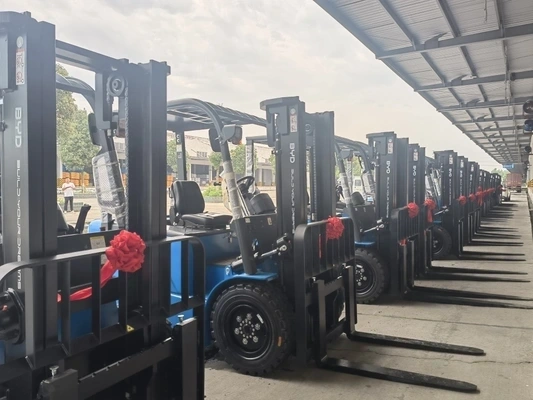
Two similar mid-sized distribution centers operate 10-unit fleets of 3.5 ton electric forklift, with two different charging infrastructure setups. This comparison highlights compatibility impacts on long term reliability:
Scenario 1: Non-Validated Mismatched Charging
Facility managers install generic industrial chargers sourced from an unvetted third party, without cross checking voltage, protocol and connector matching against forklift OEM specifications. Within 18 months, 6 of 10 batteries drop below 70% original capacity. Three unplanned shutdown events occur each month, and one instance of connection overheating causes a 2 hour full work stoppage. Total additional costs related to battery replacement and downtime exceed 25% of original fleet purchase price within two years.
Scenario 2: OEM-Validated Compatible Charging
The second facility installs chargers validated by the forklift OEM, with matching voltage, communication protocols and connectors. After 24 months, all 10 batteries still hold above 85% original capacity. Unplanned shutdown events related to charging occur less than once per quarter. No charging related safety incidents cause work stoppages. Total unexpected costs related to charging issues remain less than 2% of original fleet purchase price over the same period.
Actionable Selection And Planning Guidance
Verify All Specifications Before Installation
Cross reference charger voltage, current output, connector type and communication protocol with your 3.5 ton electric forklift OEM documentation. Do not rely on generic industry labels that do not align with specific model requirements. Contact your OEM directly to confirm compatibility if any specification remains unclear.
Account For Future Fleet Changes
Plan charging infrastructure capacity to match future additions of 3.5 ton electric forklift, avoid overloading grid connections that reduce charging stability across all units. If you plan to switch battery types from lead acid to lithium in the future, confirm infrastructure supports both chemistries before installation.
Schedule Regular Compatibility Audits
Inspect connectors for wear, test communication alignment between chargers and batteries quarterly, update charger firmware when OEM releases new revisions to maintain optimal compatibility. High-volume, multi-shift operations need more frequent audits than low-usage single shift sites.
Key Limitations To Compatibility Adjustments
Some older 3.5 ton electric forklift models cannot use newer fast chargers even with adapter workarounds, due to internal battery management system limitations. Retrofitting older units to work with new infrastructure often costs more than upgrading the entire forklift, so decision makers must weigh upgrade costs against reliability benefits. Adapters resolve physical connector fit issues only. They cannot fix voltage or protocol mismatches, so they should only serve as temporary solutions, not long term fixes.
Frequently Asked Questions
Can I use third party chargers with my 3.5 ton electric forklift?
Third party chargers work correctly only when all specifications including voltage, current output, communication protocol and connector match your forklift and battery OEM requirements. Always verify compatibility before installation.
Does fast charging impact long term reliability of 3.5 ton electric forklift?
Fast charging does not negatively impact reliability when infrastructure matches the battery and forklift design. Incompatible fast charging accelerates battery degradation and causes other reliability issues.
How often should I check charging infrastructure compatibility?
Most industrial operations should complete a full compatibility audit at least once every six months. Operations with multiple shifts or dusty, high temperature environments should complete audits quarterly.
Will adapters fix incompatible charging connections?
Adapters resolve physical connector fit issues only. They cannot fix mismatched voltage or communication protocols, so they do not resolve underlying compatibility issues that damage long term reliability.
Final Takeaways
Compatibility between charging infrastructure and 3.5 ton electric forklift directly shapes long term operational reliability and total ownership cost. Small upfront investments in verified compatible infrastructure reduce long term costs related to battery replacement, unplanned downtime and safety incidents. Always align charging specifications with OEM requirements, avoid temporary workarounds that create long term reliability risks, and schedule regular audits to maintain optimal performance.