Evaluating 3.5 ton electric forklift Performance Across Common Industrial Material Handling Applications
News 04/10/2026
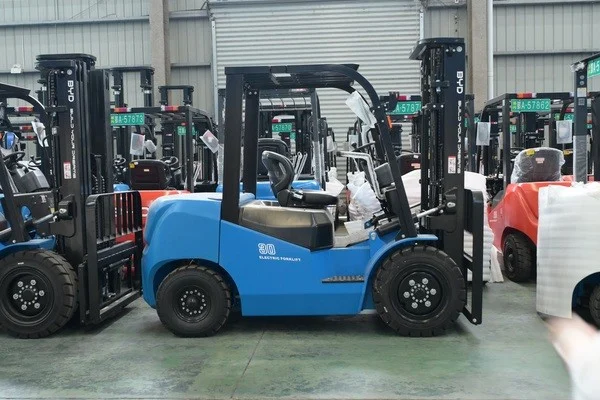
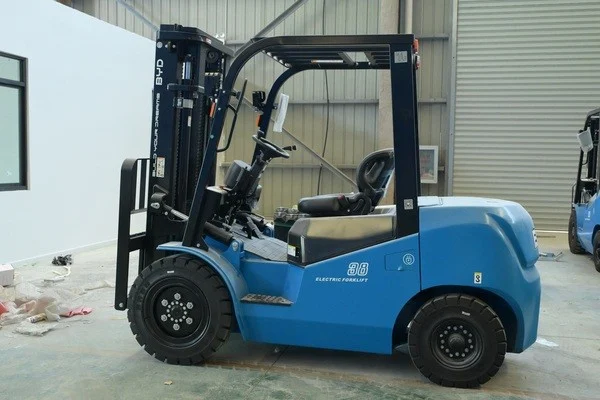
A 3.5 ton electric forklift fills a popular mid-sized capacity niche within modern material handling operations. This guide breaks down performance across common use cases, plus outlines selection criteria and common limitations decision makers need to consider.
Key Performance Factors That Impact Application Suitability
Battery Capacity And Runtime
Battery type and total capacity directly impact how long a 3.5 ton electric forklift can operate between charges. Standard lead acid batteries deliver 4-8 hours runtime depending on load intensity, enough to cover most single shift operations. Lithium ion batteries offer longer runtime, faster charging and longer overall service life, making them ideal multi-shift operation options.
Maneuverability In Confined Spaces
Overall dimensions of a 3.5 ton electric forklift typically range between 8 and 10 feet in length, depending on mast design. Most standard models work well within 11-12 foot wide warehouse aisles. Narrow aisle custom models are available, but they come with added cost and reduced maximum load capacity.
Performance Across Common Industrial Applications
General Warehouse Storage And Order Picking
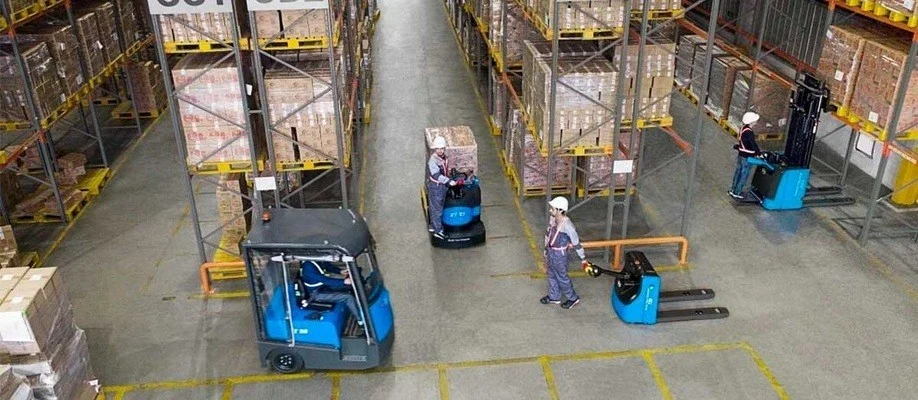
This forklift capacity matches most common needs within bulk and case storage warehouses. It can lift fully loaded pallets to standard 20-30 foot storage rack heights, and moves between storage and loading zones efficiently. Zero tailpipe emissions make it suitable for enclosed indoor spaces where air quality regulations apply. The main limitation: aisles narrower than 10 feet will prevent easy turning and maneuvering, so operations with ultra-high density storage should consider smaller capacity units.
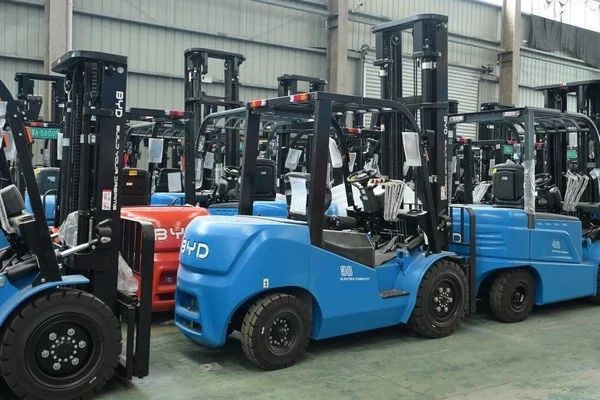
Loading And Unloading Transport Vehicles
This is one of the most common use cases a 3.5 ton electric forklift handles. Most full pallets of consumer goods, building supplies and processed food fall well under the 3.5 ton maximum capacity rating. Electric power allows operation inside enclosed trailers and warehouse docks without ventilation needs. Solid cushion tires work best on smooth paved dock surfaces, while pneumatic tires handle minor uneven pavement outside loading areas. The main limitation: prolonged operation on rough unpaved ground can cause premature tire wear and potential damage to undercarriage components.
Manufacturing Line Material Feeding
Manufacturing facilities often use 3.5 ton electric forklifts to move raw materials and work-in-progress components along production lines. Its mid-range capacity fits most standard batches of raw steel, plastic pellets, packaged components and other common production inputs. Low noise and zero emissions create better working conditions for production staff on the factory floor. The main limitation: most 3.5 ton electric models can only safely climb slopes under 10% grade. Operations with steeper grades between facility areas should consider higher torque internal combustion models instead.
Selection Guidelines To Match Performance To Operational Needs
Start by confirming the heaviest consistent load weights your operations move regularly. If your average load exceeds 3.2 tons, you should upgrade to a higher capacity model to avoid safety risks and premature wear. Next, measure your facility’s standard aisle widths to confirm sufficient turning room. Most standard 3.5 ton electric models require at least 11 feet of clear aisle width to operate efficiently. Third, align battery options with your shift schedule. Single shift operations work well with lower cost lead acid batteries. Multi-shift operations require lithium ion batteries or a battery swapping station to keep equipment running all day. Finally, match tire selection to your typical ground conditions. Solid cushion tires work best for indoor paved surfaces, while pneumatic tires offer better traction on outdoor ground.
Frequently Asked Questions
What load weight ranges work best with a 3.5 ton electric forklift?
This forklift class handles consistent loads between 1 ton and 3.4 tons safely. It supports occasional peak loads up to its rated 3.5 ton capacity, but sustained operation above 3.4 ton levels reduces component service life and creates avoidable safety hazards.
Can a 3.5 ton electric forklift operate outdoors?
It can work outdoors in dry, light duty scenarios on paved or smooth packed ground. It does not handle wet, muddy or rough uneven terrain as effectively as internal combustion models, because electric components can suffer damage from excessive moisture or debris exposure. Most units also lack the high torque needed on steep unpaved slopes common to construction sites.
How does 3.5 ton electric forklift performance compare to smaller electric models?
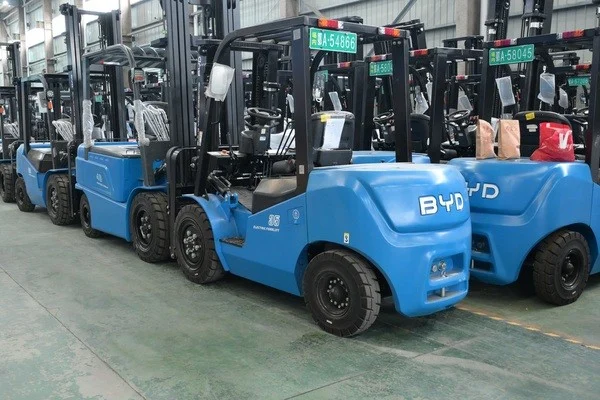
This capacity class offers higher load lifting ability, and can lift loads to greater maximum heights than 1 or 2 ton models. The tradeoff comes with larger overall dimensions, which reduces ability to navigate extremely narrow aisles common to very high density storage facilities.
What maintenance needs come with this forklift type?
Electric models require less routine maintenance than internal combustion counterparts, because they have fewer moving engine components. Core maintenance items focus on battery care, tire inspection, brake adjustment and hydraulic system checks. Regular battery care protocols extend overall service life significantly.
Final Selection Takeaways
A 3.5 ton electric forklift delivers reliable performance across most common indoor and light outdoor material handling applications. It fills a practical mid-capacity niche between smaller 1-2 ton models and larger 5+ ton units, matching needs of many small to mid-sized manufacturing, warehousing and logistics operations. Matching battery capacity, tire type and maneuverability to your specific operational needs ensures you get maximum value from your investment. Always test units within your actual work environment before final purchase, to confirm performance matches your unique requirements.