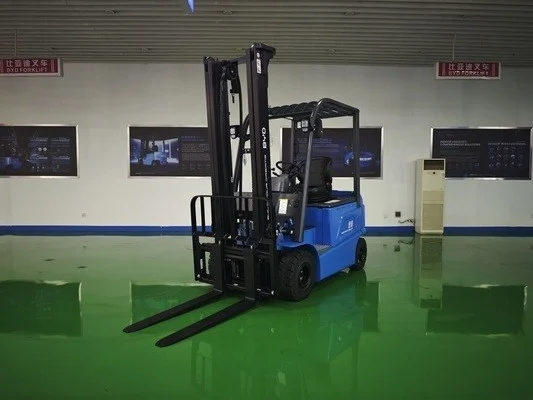
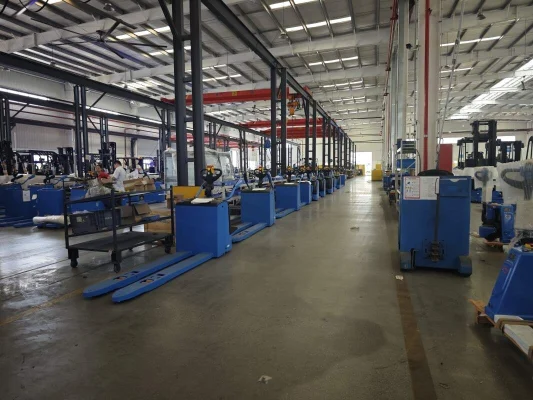
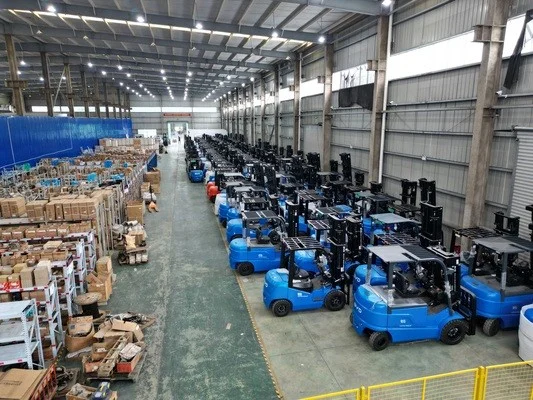
Wheelbase Dimensions Impact 3.5 ton electric forklift Turning Radius And Static Load Stability
News 20/10/2026
Wheelbase, the distance between front and rear axle centers on a 3.5 ton electric forklift, directly impacts two core performance metrics buyers prioritize: turning radius and static load stability. Understanding this relationship helps you select the right chassis configuration matching your specific operation space and load requirements. Below we break down core connections, selection criteria, tradeoffs and common questions related to wheelbase dimension choices.
Core Relationships Between Wheelbase and 3.5 ton electric forklift Performance
Wheelbase Influence on Turning Radius
Turning radius measures the minimum clear space a vehicle needs to complete a full 360-degree turn. Shorter wheelbase reduces the arc the rear wheels follow during turning, which lowers overall minimum turning radius. Longer wheelbase extends this arc, increasing the space required to complete turns. This relationship holds true across most 3.5 ton electric forklift designs, though other factors like steering angle and body width also contribute to final turning radius values.
In narrow warehouse layouts, smaller turning radius lets operators navigate tighter aisles and make u-turns without repeated backing. This directly improves operation efficiency in high-density storage facilities.
Wheelbase Influence on Static Load Stability
Static load stability measures a forklift ability to resist tipping under full rated load, especially when the load reaches maximum lift height. Longer wheelbase creates a larger support base across the chassis, lowering the combined center of gravity of the vehicle and load. This reduces tip-over risk and improves overall stability when handling heavy loads. Shorter wheelbase creates a smaller support base, which can increase tip-over risk when operating at maximum load or maximum lift height, unless manufacturers adjust counterweight or chassis design to offset the gap.
Improved stability from longer wheelbase becomes critical when operating on uneven ground, such as outdoor storage yards or poorly leveled warehouse floors. It also reduces chassis sway during lifting and moving, which improves load control and reduces risk of load damage.
Selection Criteria Matching Your Operation Scenario
Your ideal wheelbase dimension depends entirely on your unique operation conditions. The table below summarizes common configurations, applicable scenarios, and required verification steps:
| Wheelbase Type | Applicable Scenario | Required Verification Items | Configuration Notes |
|---|---|---|---|
| Short Wheelbase | Narrow aisle warehouse, aisle width less than 2.5m, high-density storage | Minimum turning radius matches your measured aisle clearance; residual load capacity at maximum lift height | Optional configuration; confirm manufacturer counterweight adjustments to maintain stability |
| Medium Wheelbase | Standard warehouse mixed operation, balanced maneuverability and stability needs | Full load static stability test results; turning radius matches your widest turning space | Common standard configuration on most 3.5 ton electric forklift models |
| Long Wheelbase | Outdoor storage yard, frequent full load lifting, uneven ground operation | Static stability rating under uneven ground conditions; battery runtime with additional chassis weight | Optional configuration on heavy-duty specific models |
Follow these actionable steps before confirming your order:
- Measure the minimum aisle width and tightest turning space across your entire operation area
- Document your maximum daily load weight and maximum lift height requirements
- Request official turning radius and static stability data from your supplier matching your selected wheelbase
- Complete an on-site test turn with a full load if possible, to confirm space and stability meet your needs
Common Configuration Tradeoffs And Limitations
Wheelbase is not the only factor affecting turning radius and stability. You must account for additional design elements that change final performance:
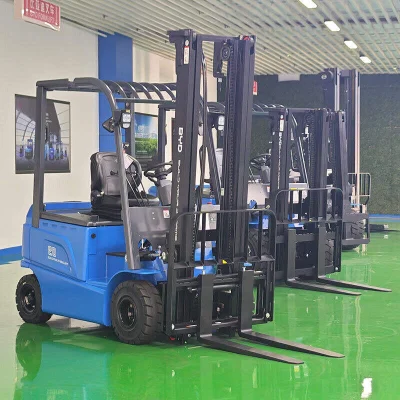
- Tire size and type: Larger tires increase overall vehicle height and can change effective turning radius, even with identical wheelbase dimensions
- Attached implements: Front mounted implements like side shifters or clamps add weight to the front of the forklift, shifting the center of gravity and reducing stability regardless of wheelbase
- Counterweight design: Manufacturers often add extra counterweight to shorter wheelbase models to improve stability, but this increases overall vehicle weight, which reduces battery runtime on 3.5 ton electric forklift models
There is no universal “best” wheelbase that works across all operations. Shorter wheelbase gives better maneuverability but requires design adjustments to maintain safety, while longer wheelbase gives better stability but demands more turning space. Always prioritize your most critical operation constraint when making your selection: if narrow aisles define your operation, prioritize shorter wheelbase and confirm stability adjustments; if heavy load handling on uneven ground is your primary task, prioritize longer wheelbase and confirm your space can accommodate the larger turning radius.
Frequently Asked Questions
Does shorter wheelbase always mean better maneuverability?
Not always. Other design factors including overall body length, steering angle, and tire size also affect final minimum turning radius. Some longer wheelbase models with optimized steering design can deliver similar turning radius to poorly designed shorter wheelbase models. Always check the manufacturer published minimum turning radius against your measured aisle width before making your selection.
Can I adjust wheelbase after taking delivery of my 3.5 ton electric forklift?
No. Wheelbase is a fixed core chassis design parameter integrated into the vehicle frame. Modifying wheelbase after delivery invalidates all manufacturer warranties and creates major safety risks related to structural failure and tip-over. You must confirm your wheelbase selection before placing your order.
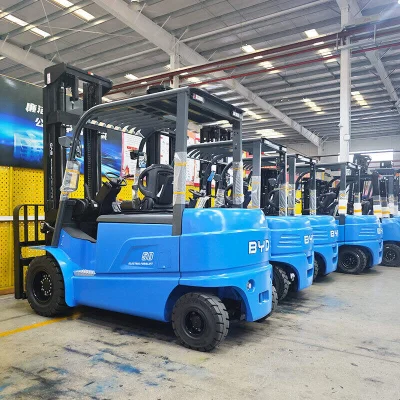
Which wheelbase works best across most 3.5 ton electric forklift users?
Medium wheelbase configurations deliver the best balance across most standard warehouse operations. It offers adequate maneuverability for most standard aisles and enough stability for typical 3.5 ton load handling. Most buyers find this configuration meets their needs without requiring custom optional adjustments.
How does wheelbase affect battery runtime on 3.5 ton electric forklift?
Longer wheelbase requires longer frame components and often additional counterweight, which adds overall vehicle weight. This additional weight increases energy consumption during operation, reducing total runtime per full charge. Always confirm expected runtime with your supplier when selecting a longer wheelbase configuration, to ensure it matches your daily shift requirements.
Before you start comparing models, gather all your operation data including minimum aisle width, maximum load, maximum lift height, and operation environment. Share this information with your supplier to get accurate recommendations and confirm all performance parameters meet your specific needs.