Brake and Traction System Configuration on a 3 Ton Electric Forklift: Questions Buyers Should Ask
News 07/11/2026
A 3 ton electric forklift is a significant capital purchase, and the brake and traction systems are where specification gaps tend to surface after delivery. Buyers often focus on load capacity and lift height while leaving brake type, traction control behavior, and service-brake actuation to the supplier’s default configuration. This procurement guide lists the questions worth asking before you approve a quotation, so the machine you receive matches the way your operators actually work.
The scope here is a four-wheel counterbalance electric forklift, the configuration this site supplies. Other truck types have different chassis behavior and are not covered.
Start with the duty cycle, not the brake hardware
Brake and traction choices follow from how the truck is used. Before comparing components, describe the application in concrete terms: average and peak loads, lift height, travel distances, floor surface, ramp gradients, aisle width, shift length, and whether the truck works indoors, outdoors, or both. A truck cycling between a trailer dock and a rack face has different demands from one making long runs in a warehouse.
Ask the supplier to confirm that the proposed brake and traction configuration was selected against those conditions rather than taken from a standard build sheet. A short written summary of your duty cycle attached to the inquiry prevents assumptions on both sides.
Service brake and parking brake: questions to put in writing
Service braking and parking braking are separate functions, and buyers should know how each is actuated on the quoted model. Typical arrangements include hydraulic service brakes with a mechanical parking brake, or electric parking-brake systems on some electric trucks. Rather than assuming a design, ask directly.
- How is the service brake actuated, and what happens on a grade if the operator releases the pedal?
- Is the parking brake applied manually, automatically when the truck stops, or both?
- Does the parking brake hold a loaded truck on the maximum ramp gradient at your site?
- What inspection and adjustment intervals does the manufacturer specify, and which tasks are operator checks versus service-department work?
- Are brake components and wear parts available as standard service items?
Request the manufacturer’s published ramp-holding and braking information together with the test conditions behind it. Without that documentation, treat any verbal claim as unconfirmed.
Traction control, motors, and how the truck behaves on ramps
Traction performance on an electric counterbalance truck depends on motor type, controller settings, tire choice, and surface conditions together. Ask whether the drive motors are AC or another design, and how the controller manages wheel slip. On damp concrete or a loading ramp, an aggressive traction setting can feel responsive but may increase tire wear; a conservative setting may feel sluggish. The right answer depends on your floor and your operators.
Useful questions include:
- What traction or anti-slip features are included, and can their sensitivity be adjusted during commissioning?
- Is regenerative braking used when the operator releases the travel pedal, and how does that affect stopping distance and feel?
- How does the truck behave when starting on a gradient with a rated load?
- What tire compound and tread pattern are specified, and are they matched to indoor floors, outdoor yards, or both?
Where the supplier cannot provide verified figures, ask them to state the parameters that will be checked at pre-delivery inspection instead. That keeps the conversation honest and gives you acceptance criteria.
Documents and acceptance checks to request before signing
Configuration details belong in the purchase documentation, not only in email. Ask the supplier to include the brake type, parking-brake actuation, traction-control settings, tire specification, and any programmable parameters in the order confirmation or technical annex. Confirm who performs commissioning adjustments and whether those settings are recorded.
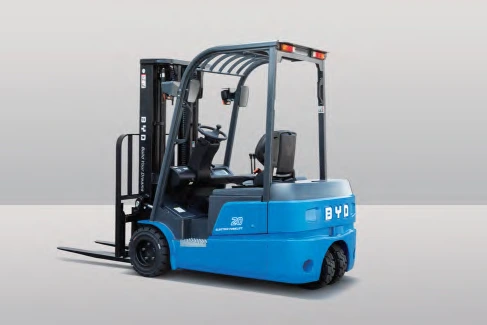
At acceptance, plan a short functional check rather than a visual walkaround alone:
- Brake response with an empty truck and with a load representative of normal work.
- Parking-brake hold on the steepest ramp the truck will use.
- Starting and stopping behavior on the actual floor surface, wet if relevant.
- Confirmation that traction and braking settings match the agreed configuration.
These checks do not replace the manufacturer’s safety instructions or local regulatory requirements. They simply confirm the delivered truck matches what was ordered. If your site has specific legal inspection obligations, confirm them with your safety advisor.
FAQ: brake and traction questions buyers commonly raise
Does a 3 ton electric forklift use the same brake system on every model?
No. Actuation methods and parking-brake designs vary between manufacturers and even between configurations of one model. Always ask about the exact quoted build rather than assuming a standard layout.
Can traction control be adjusted after delivery?
On many electric trucks, controller parameters can be changed during commissioning or service, but availability and access depend on the manufacturer. Ask whether adjustment is possible, who is authorized to perform it, and whether changes are documented.
What information should I give the supplier to get an accurate configuration?
Provide load weight and load center, lift height, ramp gradients, floor surface and condition, aisle widths, indoor or outdoor use, shift pattern, and charging arrangements. These details let the supplier propose brake and traction settings that suit the work instead of a generic specification.
Is regenerative braking a substitute for the service brake?
No. Regenerative braking can slow the truck when the travel pedal is released, but it should not be treated as the service brake. Ask the supplier to explain how the two functions interact on the quoted model and what the operator should expect.
If you are comparing options, send your duty-cycle details and required lift height to our team and we will help you confirm which four-wheel counterbalance electric forklift configuration and brake arrangement fit your operation.