Four-Wheel Counterbalance Lithium Forklift 3 Ton Procurement: Aligning Battery Capacity, Duty Cycle, and Charging Windows With Shift Patterns
News 22/10/2026
When purchasing a 3 ton four-wheel counterbalance lithium electric forklift, the core decision centers on matching battery specs to your daily operation. Misalignment between battery capacity, work demands and charging availability leads to unexpected downtime or unnecessary upfront cost. This guide walks through key steps structure your procurement process around your unique shift patterns.
Map Core Requirements To Your Operational Shift Patterns
Your first step documents your daily shift structure. Different shift arrangements create different power demands, so matching power capabilities to your actual operation avoids costly mistakes. Common shift structures include:
- Single shift: 8 hours daily work, 16 hours idle time
- Double shift: 16 hours daily work, 8 hours idle time
- Continuous 24-hour operation: No long idle blocks between work periods
Each shift structure places unique demands on battery performance and charging schedules. Skipping this mapping step often leads to mis-sized batteries that fail mid-shift or add thousands in unnecessary cost to your purchase.
Align Battery Capacity To Duty Cycle Demands
Duty cycle describes how often your forklift lifts maximum rated load and travels across your site. Higher duty cycles consume more energy per hour, so larger capacity batteries support consistent operation. Higher intensity work (such as frequent full-load lifting over long distances) demands larger capacity batteries. Lower intensity work, such as occasional loading and unloading at a small warehouse, suits smaller capacity options that fit your budget.
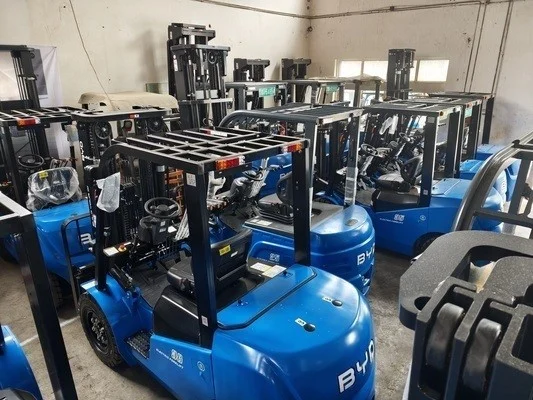
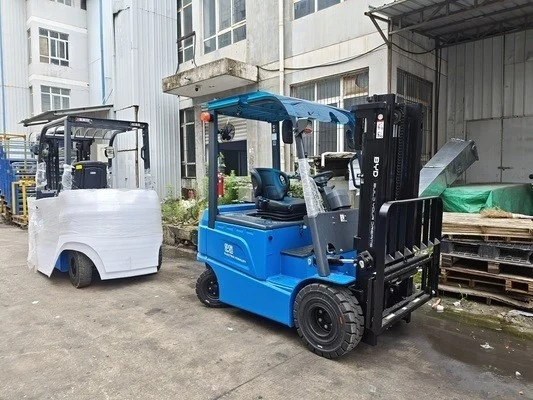
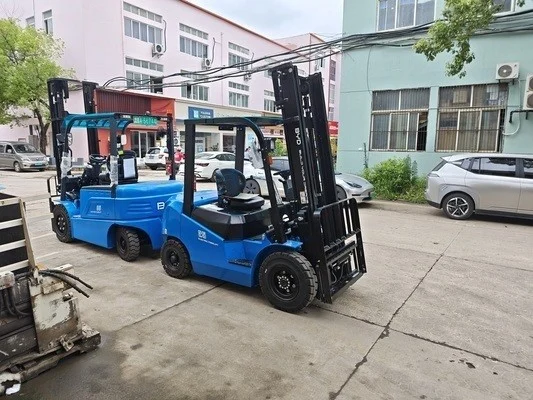
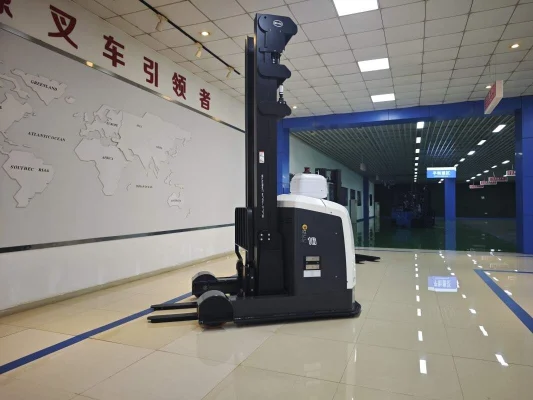
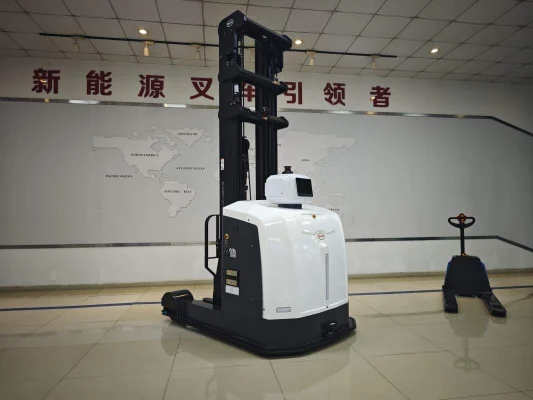
Our available BYD 3 ton four-wheel counterbalance lithium electric forklift offers multiple lithium battery configurations. You need to calculate your average energy use per shift based on your actual workload. Key factors impacting energy use include:
- Average load weight lifted per trip
- Total travel distance per hour of operation
- Frequency of lift and lower actions
- Site slope and ground condition
Right-sizing capacity avoids premature battery drain mid-shift and keeps initial investment aligned with your actual needs.
Match Charging Windows To Your Site Infrastructure
Charging windows refer to time blocks your forklift stays idle and available to connect to charging equipment. Your available window directly determines what charging strategy suits your site. If you have a full 8 hour idle window between shifts, opportunity charging during breaks and full overnight charging meets most operational needs. If you only have short 15-30 minute breaks between shifts, you need a battery that supports fast charging to top up enough power supporting next shift.
You also need to confirm your site electrical infrastructure matches the charger requirements your selected battery needs. Lithium batteries require dedicated charging areas with proper ventilation and circuit protection, so confirm these elements before finalizing your order.
Verify Critical Pre-Procurement Checkpoints
Before placing your order, confirm these key details avoid post-purchase issues:
- Confirm actual maximum load your operation requires. Rated 3 ton capacity aligns with standard load center distance, so adjust your selection if your load center exceeds standard specifications.
- Check maximum lift height your operation needs. Higher lift heights add energy demand, so this impacts required battery capacity.
- Measure your minimum working aisle width. Four-wheel counterbalance electric forklift requires specific aisle width, so confirm your site can accommodate the 3 ton model you select.
- Confirm charger placement and power supply meet the requirements your selected lithium battery configuration.
Once you gather all this information, you can share details with our team to get accurate configuration recommendations matching your specific site needs.
Frequently Asked Questions
Can I use an existing lead acid charger with a new 3 ton lithium forklift?
Most lead acid chargers do not match lithium battery charging profiles, so this practice creates safety risks and reduces battery service life. You should use the dedicated charger supplied with your lithium battery system.
Does my 3 ton lithium forklift require extra battery swapping equipment?
This depends on your shift arrangement. If you run 24 hour continuous operation and lack long enough charging windows, you can opt for a battery configuration that supports swapping. If you run single or double shift operation with adequate idle time, you do not need extra swapping equipment.
What maintenance routine applies 3 ton lithium forklift battery?
哦不对,改了,这里不能有for,改成What maintenance routine applies to 不对,哦改成What maintenance tasks come with a 3 ton lithium forklift battery? 对,然后回答:Lithium batteries require far less routine work than lead acid alternatives. You only need to keep charging connections clean, inspect casing for…哦不对,独立for!哦改:inspect casing regularly for不对,哦改成inspect casing regularly to catch damage, and follow manufacturer storage guidance during extended idle periods. 哦对,改完了:
What maintenance tasks come with a 3 ton lithium forklift battery?
Lithium batteries require far less routine work than lead acid alternatives. You only need to keep charging connections clean, inspect casing regularly to catch damage, and follow manufacturer storage guidance during extended idle periods.