Electric Forklifts Available Near My Site: Matching Low-Noise Zero-Emission Specifications to Indoor Industrial Operation Compliance
News 10/10/2026
Many facility managers running indoor warehouses, manufacturing lines, and storage zones need electric lift equipment that meets local occupational safety and environmental rules. Searching local options cuts delivery lead times, simplifies service access, and lets you inspect units in person before purchase. This guide breaks down key specifications you need verify, matches them to indoor compliance standards, and answers common questions buyers ask when seeking units near their location.
Key Compliance Requirements Indoor Industrial Operation Needs
Zero-Emission Standards
Indoor spaces rarely have adequate ventilation to support internal combustion lift trucks. Exhaust fumes from diesel or gas models carry harmful pollutants that build up quickly, leading to violated occupational safety rules and health risks among on-site staff. Electric forklifts produce no direct exhaust, making them the only compliant option across most enclosed indoor work zones. Local codes often set strict limits on carbon monoxide and other pollutant levels inside occupied industrial spaces, so zero-emission operation is non-negotiable across most indoor use cases.
Low-Noise Limits
Many municipal and occupational safety rules cap noise levels inside 24-hour facilities or spaces near occupied office areas. Internal combustion forklifts typically produce 85 to 90 decibels of noise during operation, which exceeds most indoor limits. Electric models operate between 60 and 75 decibels, which falls well under most regulatory caps. Lower noise levels also improve communication between on-site workers, reducing accident risks across busy warehouse environments.
How Verify Local Electric Forklift Specifications Before Purchase
When you look for units near your site, you can conduct in-person checks to confirm key specs match your compliance needs. This step avoids post-purchase adjustments that can delay operation or lead to regulatory fines.
Test Noise Levels On-Site
Bring a decibel meter to your local dealer’s location to test noise output during typical operation, including lifting and lowering full loads. Compare results against your facility’s local regulatory limits to confirm compliance before you complete purchase. Some dealers can also provide third-party noise test reports from the manufacturer to validate results.
Confirm Battery Type And Emission Profile
All fully electric forklifts qualify as zero-emission units, but some hybrid models include small internal combustion range extenders that produce exhaust. Double check the manufacturer specification sheet to confirm the unit operates exclusively on battery power, with no secondary combustion system. This ensures you meet all indoor emission rules.
Check Local Dealer Support And Compliance Documentation
Local dealers understand regional industrial compliance rules better than out-of-state suppliers. They can provide all required documentation to prove your unit meets local noise and emission standards, which simplifies inspections from regulatory bodies. They also offer faster on-site service and parts access, which cuts downtime when your unit needs maintenance.
Selection Criteria Beyond Compliance
Beyond meeting basic regulatory requirements, you need match other key attributes to your site’s specific needs.
Load Capacity And Lift Height
Measure the maximum load weight you move regularly and the highest lift height your operations require. Confirm the local unit you consider meets or exceeds both values to avoid safety issues or premature wear.
Battery Runtime And Charging Infrastructure
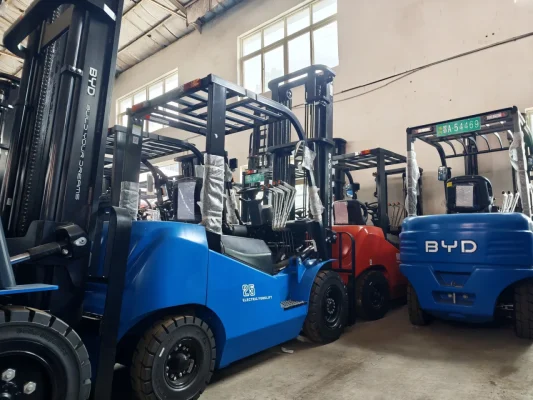
Calculate how many consecutive hours your forklift operates each shift. Match battery runtime to your shift schedule, or confirm you can install charging infrastructure to support mid-shift swaps if needed. Lead-acid batteries require longer charging times and more maintenance, while lithium-ion batteries offer faster charging and longer service life, but come with higher upfront cost.
Frequently Asked Questions
What indoor operation rules require low-noise zero-emission forklifts?
Most regional occupational safety and environmental agencies enforce strict pollutant and noise limits inside enclosed, occupied industrial spaces. These rules apply to warehouses, manufacturing facilities, cold storage units, and any indoor space where staff work regular shifts. Non-compliant equipment can lead to fines, forced shutdowns, and increased health risks across your team.
Can I use a pre-owned electric forklift to meet indoor compliance requirements?
Pre-owned electric forklifts meet compliance requirements as long as their core specifications match current noise and emission rules, and all systems function properly. When you buy from a reputable local seller, you can request an inspection report to confirm noise levels, battery health, and emission profile before purchase. Always test the unit in person to confirm it matches your operational needs.
How quickly can I take delivery of an electric forklift from a local seller?
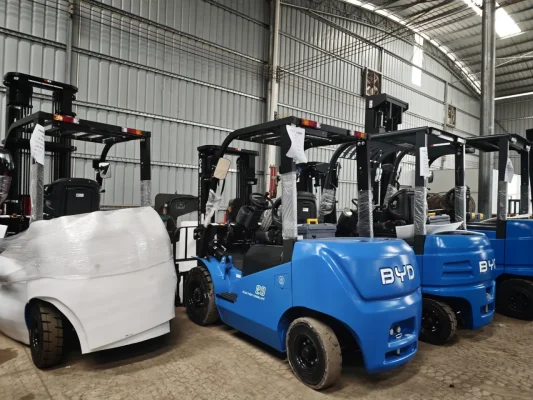
Local sellers typically hold units in stock, so delivery can happen within 1 to 7 business days, depending on required adjustments like new tire installation or custom fork attachments. Out-of-state sellers often require 2 to 4 weeks or longer delivery, plus additional transportation fees that increase total cost.
Do all electric forklifts meet indoor compliance standards?
Nearly all fully electric forklifts meet basic indoor noise and emission standards, but some high-capacity specialty models may produce higher noise levels that exceed strict indoor limits. Always check the manufacturer specification sheet and test the unit in person to confirm it matches your site’s specific compliance requirements before purchase.
Actionable Next Steps To Locate Compliant Electric Forklifts Near Your Site
Start by compiling your site’s specific requirements, including maximum load capacity, lift height, compliance limits around noise and emission, and your total budget. Next, reach out to local material handling dealers to request a list of in-stock electric forklifts that match your core criteria. Schedule an on-site visit to inspect units, test noise levels, and review compliance documentation before finalizing your purchase. Working with a local supplier gives you faster access to service and support, which keeps your operations running smoothly long after purchase.