Evaluating BYD counterbalance forklift Performance Across Common Industrial Application Scenarios
News 03/10/2026
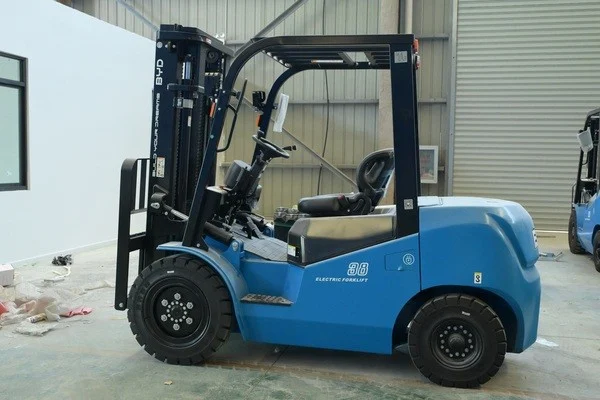
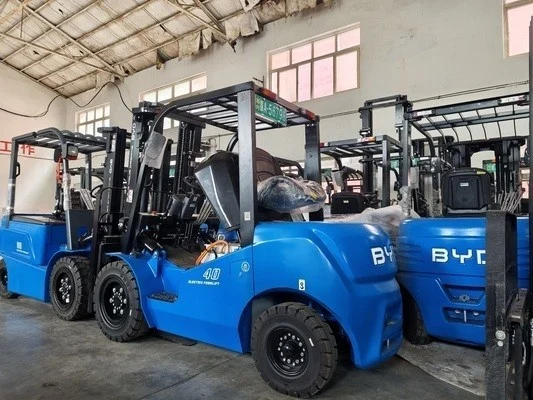
BYD enters the global material handling market with lithium-ion powered counterbalance forklifts, drawing on its decades of battery manufacturing experience. This evaluation covers performance across the most common industrial application scenarios, helping decision makers assess suitability matching their operational needs.
Core Performance Characteristics of BYD Counterbalance Forklifts
Lithium-Ion Battery Advantages
BYD builds its own lithium iron phosphate (LFP) batteries into most counterbalance models. This design delivers consistent power output through full shift operations, unlike lead-acid alternatives that fade as charge drops. LFP batteries also support opportunity charging, meaning operators can top up charge during short breaks without damaging battery life. Heat resistance properties of LFP chemistry also support operation in non-climate controlled warehouse spaces.
Build Quality and Ergonomics
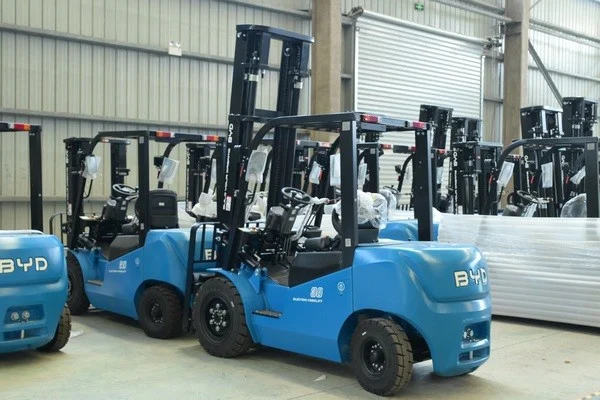
Most BYD counterbalance forklift models offer enclosed cabin options matching operator needs in cold storage or outdoor sites. Ergonomic controls reduce operator fatigue during long work days. Solid frame construction supports rated load capacities within manufacturer specifications.
Performance Across Common Industrial Application Scenarios
General Warehouse Storage and Order Picking
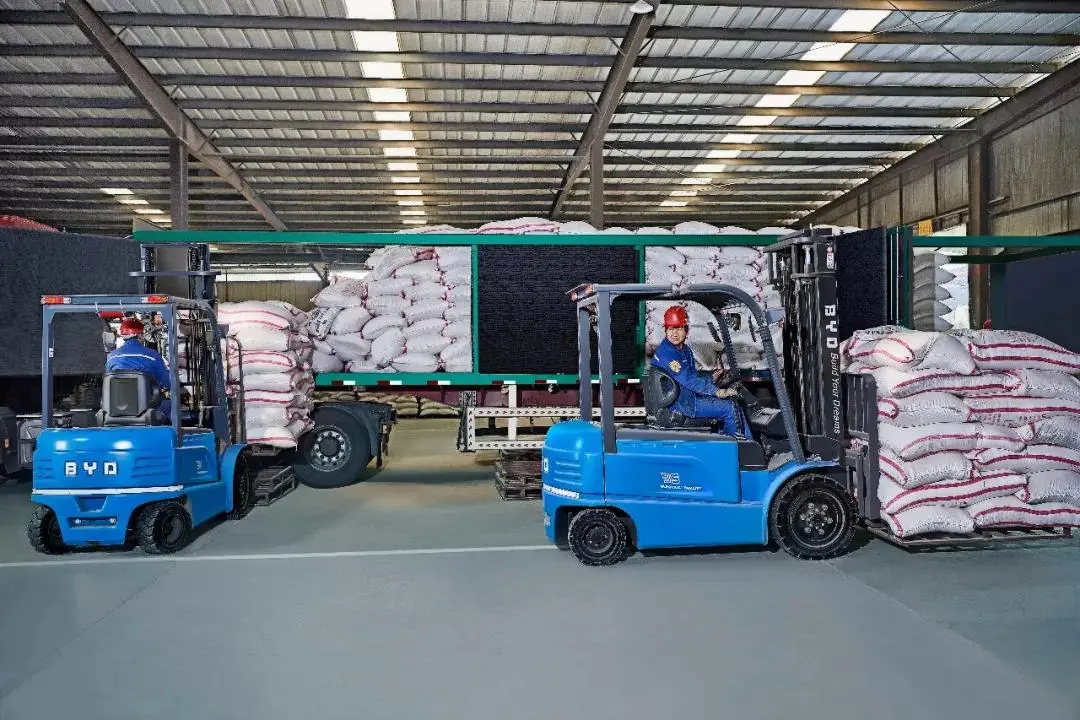
General warehouses handle mixed load sizes, frequent stops and multiple daily work cycles. BYD counterbalance forklifts work well here, because opportunity charging eliminates mid-shift battery swap requirements. Compact model variants fit standard aisle widths common in most modern warehouses. Operators note responsive acceleration and lifting that matches daily order picking demands. Key limitation: Narrow aisle warehouses require specialized reach trucks, so counterbalance models do not deliver efficient operation here.
Outdoor Freight Yards and Loading Docks
Outdoor settings expose equipment to moisture, dust and uneven ground. BYD counterbalance forklifts with pneumatic tires deliver stable traction on paved and packed gravel surfaces. Sealed battery compartments protect internal components from moisture, supporting operation during light rain and variable weather. Maximum lift capacities match common full pallet loads from shipping containers. One key consideration: Cold winter temperatures reduce LFP battery range slightly, so fleets operating in extremely cold outdoor environments need to plan extra charging opportunities during off-hours.
Cold Storage Facilities
Cold storage operations demand equipment that withstands constant sub-zero temperatures. BYD offers cold storage-specific packages that protect battery and hydraulic systems from freeze damage. LFP batteries maintain more consistent output than lead-acid alternatives in sub-zero conditions, reducing unexpected downtime. Key limitation: Not all standard BYD counterbalance models include cold storage protection, so buyers must confirm specification matching their facility temperature range before placing orders.
Heavy Manufacturing Logistics
Heavy manufacturing sites move large, bulky raw materials and finished goods. BYD produces high-capacity counterbalance forklift models that handle rated loads up to manufacturer stated limits. Consistent power delivery supports repeated lifts of heavy loads without voltage drop. Sealed electrical components resist dust and mild chemical exposure common in manufacturing settings. Key note: Extreme chemical exposure requires specialized sealed components, which BYD may offer as custom options. Buyers must confirm compatibility with their site environment.
Practical Selection Guidance
When evaluating BYD counterbalance forklift suitability, consider these key factors:
- Confirm model turning radius matches your facility minimum aisle dimension
- Calculate daily work hours and available charging access; plan extra charging capacity if you operate multi-shift schedules
- Match factory packages to your environment-specific needs: cold storage, outdoor or chemical-exposed sites require custom configuration
- Confirm model load and lift height ratings meet your highest operational demand
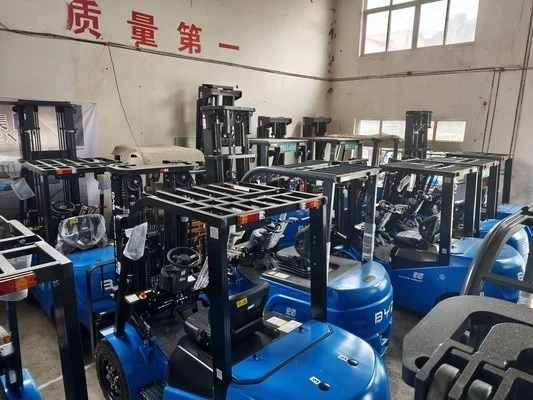
Used BYD counterbalance forklift options serve buyers seeking lower upfront cost, but always check remaining battery health before purchase. LFP batteries typically last several years under normal use, but degraded batteries require replacement that adds unexpected cost.
Frequently Asked Questions
What power sources do BYD counterbalance forklifts use?
Nearly all BYD counterbalance forklift models use BYD-built lithium iron phosphate (LFP) batteries. Few internal combustion engine options reach most global markets, as BYD focuses on electric material handling equipment.
Can BYD counterbalance forklifts operate in outdoor environments?
Yes, models equipped with pneumatic tires and sealed outdoor packages work well in most outdoor freight yard and loading dock settings. Extreme weather conditions require additional specification checks to ensure reliable operation.
How long do BYD counterbalance forklift batteries last?
Under normal operating conditions and proper charging practices, BYD LFP forklift batteries typically deliver 5 to 7 years of regular use. Actual lifespan depends on operating temperature, charging habits and load frequency.
Are BYD counterbalance forklifts cheaper than competing brands?
Pricing varies by region, model configuration and dealer incentives. Buyers should compare total cost of ownership including battery replacement, maintenance and charging infrastructure to make accurate comparisons.
BYD counterbalance forklifts deliver solid performance across most common industrial material handling scenarios, especially in applications that benefit from built-in LFP battery technology. Opportunity charging, consistent power output and low maintenance requirements appeal to many fleet operators. Always match model specifications to your specific operational environment and needs before finalizing any purchase decision.