Evaluating 5 ton forklift Load Capacity And Maneuverability Across Indoor And Outdoor Industrial Sites
News 19/10/2026
When sourcing material handling equipment, teams need accurate assessment 5 ton forklift performance across mixed indoor and outdoor industrial sites. Many operations rely on these units moving heavy goods between warehouse storage and outdoor loading yards, so mismatched capacity or maneuverability leads to wasted space, safety risks, and reduced productivity. This guide breaks down key assessment criteria, verification steps, and answers common questions teams face during selection.
Key Performance Factors Affecting Operation
Load Capacity Variations By Site
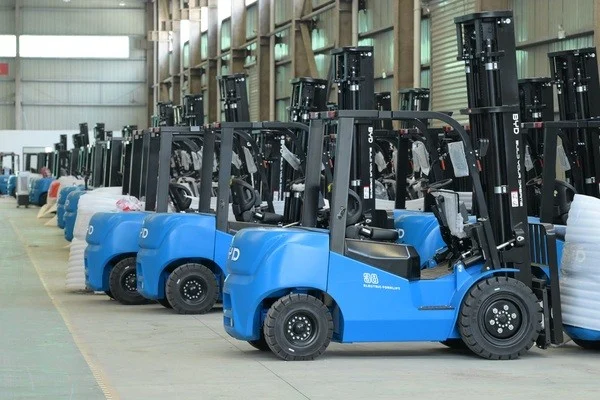
Rated 5 ton capacity does not translate directly to every work scenario. Indoor operations often lift loads to greater heights supporting high density storage, which reduces the maximum safe load a unit can handle. Outdoor operations may face uneven ground or sloped loading areas, which also impact effective load retention. Any attachment, such as clamps or side shifters, changes the load center distance, further lowering maximum safe carrying weight. Buyers must account these variations when comparing unit options.
Maneuverability Requirements Across Environments
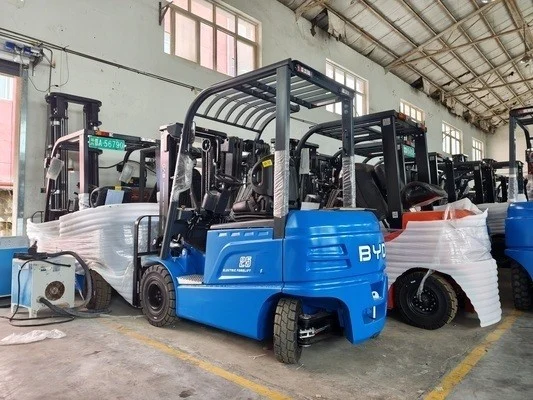
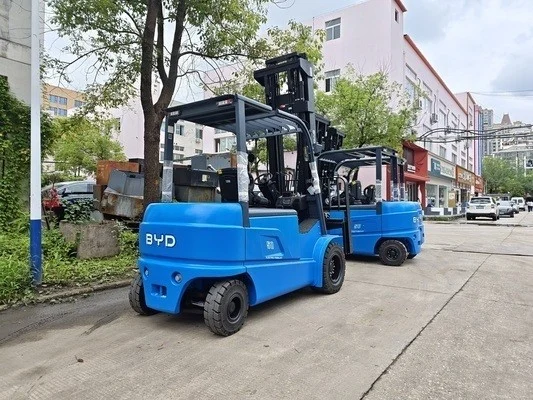
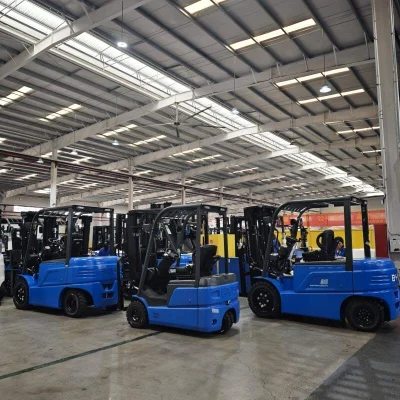
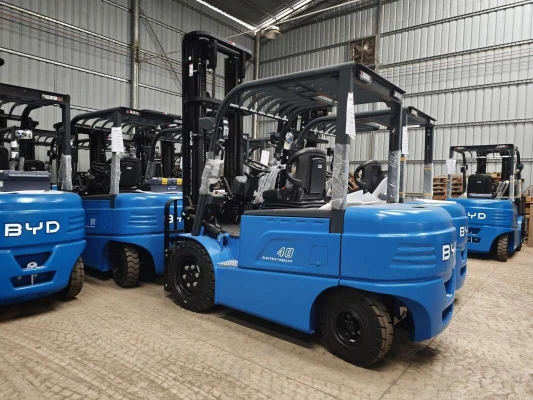
Maneuverability depends entirely on your site layout. Indoor warehouse aisles often measure narrower than outdoor loading yard access lanes, so turning radius and overall unit length become critical. Outdoor sites may have uneven pavement, gravel, or muddy ground, which requires appropriate tire tread and ground clearance. Mixed use operations need units that handle both smooth indoor concrete and rough outdoor ground without performance drops. Stand-up rider models offer tighter turning suited to narrow indoor aisles, while sit-down counterbalance models offer better stability on uneven outdoor ground.
Selection Checklist And Supplier Verification
Use this structured checklist to verify requirements match your site needs before placing an order. Each item aligns with common pain points mixed indoor and outdoor operations experience.
| Parameter | Why It Matters | Verification Step | Configuration Notes |
|---|---|---|---|
| Full load rating at maximum lift height | Indoor high density storage requires consistent load retention at extended heights | Request manufacturer specification documents matching your load center distance | Rated capacity drops as lift height increases; confirm with your exact use case |
| Outside turning radius | Tight outdoor loading yards and indoor aisle spaces both demand accurate space planning | Measure your narrowest work aisle and compare against published radius measurements | Counterbalance designs require wider space than stand-up reach models |
| Tread type | Pneumatic tires handle rough outdoor ground, solid cushion tires work best on smooth indoor concrete | Cross check tire type against your most common work ground surface | Solid pneumatic hybrid tires offer compromise; confirm traction ratings from supplier |
| Overall mast height | Indoor operations face ceiling height restrictions that do not apply to most outdoor work | Measure your lowest ceiling clearance and compare against lowered mast height | Double check height limits before finalizing order |
After reviewing the checklist, collect site specific data before contacting suppliers. You need accurate measurements of your narrowest work aisle, lowest indoor ceiling height, maximum lift height you require, and average load size your team handles. This information helps suppliers provide accurate configuration recommendations matching your actual work needs.
Frequently Asked Questions
Can A 5 Ton Forklift Operate In Both Indoor And Outdoor Spaces?
Many configurations support cross environment operation, but not all. Units with solid cushion tires work only on smooth indoor surfaces, while units with pneumatic tires handle rough outdoor ground. Hybrid solid pneumatic tires offer balanced performance across mixed use sites, but you still need confirm clearance and turning radius match your indoor aisle dimensions.
What Changes Reduce A 5 Ton Forklift’s Effective Load Capacity?
Several common factors lower effective carrying capacity. Increased lift height, extended load center distance from added attachments, and operation on steep slopes all reduce maximum safe load. Mast design also plays a role, with duplex and triplex masts having different capacity ratings at full extension. Always request capacity data matching your exact configuration and use case.
How Do I Correctly Measure Maneuverability Needs?
Start by measuring the narrowest aisle your unit will navigate regularly. Add at least 30 centimeters of clearance to this measurement before comparing against the manufacturer’s published turning radius. Check ground clearance across your most uneven outdoor work area to ensure the unit undercarriage does not scrape or get stuck. For doorways between indoor and outdoor spaces, confirm overall unit mast height and width clear entry points when fully lowered.