1.5 ton electric forklift: Common Selection Pitfalls Engineering Teams Avoid During Capital Equipment Procurement
News 07/10/2026
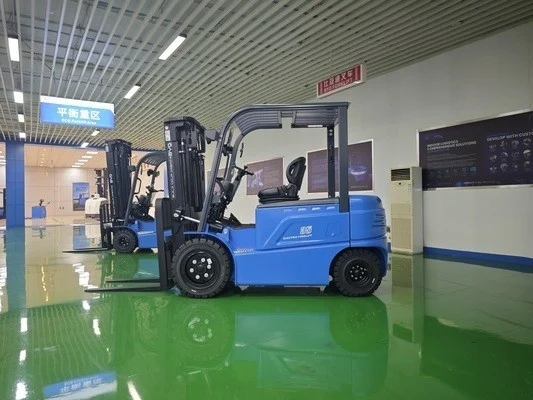
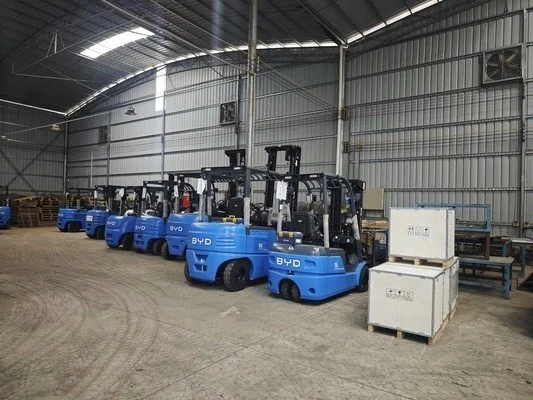
A 1.5 ton electric forklift fits many indoor and light outdoor material handling roles, balancing compact size, lifting capacity and lower operational emissions compared to internal combustion models. Yet capital equipment procurement processes often miss critical details that lead to premature wear, unplanned costs, or operational downtime. Engineering teams with experience in material handling infrastructure consistently avoid several common pitfalls that trip up less experienced procurement groups. This guide outlines these pitfalls and actionable steps to select a 1.5 ton electric forklift aligned with your operational requirements.
Ignoring Facility Infrastructure Compatibility
Many procurement teams focus solely on lifting capacity and purchase price, and forget to match the new forklift to existing facility constraints. This mismatch leads to thousands in unplanned costs or operational inefficiencies within the first year of operation.
Aisle Width Mismatch
A 1.5 ton electric forklift comes in multiple chassis configurations, including standard, narrow, and very narrow aisle designs. A standard chassis requires wider turning clearance than many modern warehouses support. If your facility uses 11-foot aisles, a standard 1.5 ton model will struggle to maneuver, leading to slower operations and increased risk of rack or product damage. Engineering teams always measure minimum aisle width before starting vendor discussions, rather than relying on generic capacity ratings.
Floor Load and Battery Charging Space Limitations
Lead-acid battery versions of 1.5 ton electric forklifts add significant weight compared to lithium-ion alternatives, which can impact older facility floor ratings. Additionally, many teams fail to allocate properly ventilated, code-compliant space for battery charging and swapping. Engineering teams confirm floor load limits early in the process, and coordinate with facility management to secure appropriate charging space before finalizing purchase agreements.
Overlooking Duty Cycle Requirements
Lifting capacity ratings rarely tell the full story of how a 1.5 ton electric forklift will perform across your full work shift. Common pitfalls tie directly to misaligned duty cycle expectations.
Continuous Operation Needs
If your facility runs two or three shifts daily, a single lead-acid battery will not support full operation without long mid-shift charging breaks. Many procurement teams skip adding the cost of a second battery or fast-charging infrastructure, leading to unplanned downtime. Engineering teams account for shift length and daily operation hours when calculating total ownership costs, and match battery technology to operational demands.
Load Weight Consistency
A 1.5 ton rating marks maximum lifting capacity at standard load center distance. If your team regularly moves loads close to 1.5 tons with extended load centers, the forklift will lose stability and experience accelerated wear on lift components. Engineering teams always confirm typical load dimensions and weight distribution before settling on a specific 1.5 ton model.
Miscounting Total Cost of Ownership
Focus on upfront purchase price rather than long-term costs is one of the most common avoidable pitfalls. Many procurement teams sign off on purchases that meet budget targets this year, but create excessive costs across the unit’s service life.
Hidden Maintenance and Parts Costs
Some lesser-known 1.5 ton electric forklift models have limited parts distribution networks, leading to long wait times for replacement components and expensive emergency shipping. Engineering teams check local parts availability and service support before selecting a vendor, to avoid extended downtime when repairs are needed.
Energy Cost Differences
Lithium-ion batteries have higher upfront costs, but deliver longer service life, faster charging, and lower energy waste compared to lead-acid options. Many teams only compare sticker price, and miss the long-term savings that come with updated battery technology. Engineering teams calculate total energy and maintenance costs across the expected service life of the unit, to make accurate comparisons between models.
Disregarding Operator Safety and Compliance
Safety standards for industrial forklifts evolve regularly, and outdated models can expose your operation to fines and avoidable accident risk. Common pitfalls include skipping verification of current regulatory compliance and failing to account for operator ergonomics.
Regulatory Alignment
Engineering teams always confirm that any 1.5 ton electric forklift under consideration meets current local safety standards for material handling equipment, including stability ratings and emergency stop requirements.
Ergonomic Design Impacts
Poor ergonomics lead to increased operator fatigue and higher turnover rates, especially for operations with multiple daily shifts. Engineering teams prioritize models with adjustable seating, intuitive controls, and good visibility to reduce operator strain and accident risk.
Frequently Asked Questions
Can a 1.5 ton electric forklift work outdoors?
Some 1.5 ton electric forklift models come with sealed electronics and tire designs suitable for light outdoor use, such as loading docks or paved yard areas. Standard indoor models lack protection against moisture and debris, so they will experience premature wear in regular outdoor operation. Always confirm intended operating environment with your vendor before purchase.
What is the typical service life of a 1.5 ton electric forklift?
Service life depends heavily on duty cycle, maintenance practices, and battery type. A well-maintained 1.5 ton electric forklift used in single-shift indoor operation can last 8 to 12 years. Batteries require replacement every 3 to 7 years, depending on type and charging practices.
Should I select new or used 1.5 ton electric forklift?
Used units offer lower upfront costs, but often come with remaining service life limitations and no manufacturer warranty. New units include full warranties, updated safety features, and predictable maintenance costs for the first several years. Teams with stable long-term operations often benefit more from new purchases, while small operations with intermittent use can find value in properly inspected used units.
Do 1.5 ton electric forklifts require regular scheduled maintenance?
Yes. Regular scheduled maintenance checks on hydraulic systems, brakes, battery health, and tire wear prevent unexpected downtime and extend service life. Most manufacturers outline specific maintenance intervals based on operation hours, which engineering teams incorporate into facility management plans.
Key Takeaways
Selecting a 1.5 ton electric forklift requires more analysis than just matching lifting capacity to your quoted needs. Engineering teams avoid common pitfalls by verifying facility compatibility, aligning model specifications to duty cycle requirements, calculating total cost of ownership, and prioritizing safety and compliance before finalizing any purchase. Taking these steps ensures your capital investment delivers reliable service across its expected service life, and avoids unplanned costs and operational downtime.