Assessing BYD electric forklift performance in cold storage and temperature-controlled industrial environments
News 10/10/2026
Many industrial operations handling frozen food, pharmaceuticals, or temperature-sensitive materials rely on specialized material handling equipment. BYD electric forklifts gain global attention through its lithium iron phosphate battery technology, so operations leaders want clear data on how these units perform in non-ambient temperature settings.
Key Performance Factors Affecting Forklifts in Low-Temperature Environments
Cold temperatures alter core function of most power and mechanical components used in material handling equipment. Understanding these changes helps contextualize performance differences across brands and power sources.
Battery Performance Sensitivity
Cold temperatures reduce chemical reaction rates inside most rechargeable batteries. This leads to lower available capacity and slower charge acceptance compared to room temperature operation. Different battery chemistries respond differently to sub-zero conditions.
Mechanical and Hydraulic Component Response
Hydraulic fluid thickens at low temperatures, which can slow lift and tilt responses. Seals and rubber components also harden in cold conditions, increasing risk of leaks or premature wear without low-temperature component ratings.
BYD Electric Forklift Design Features Suited to Temperature-Controlled Spaces
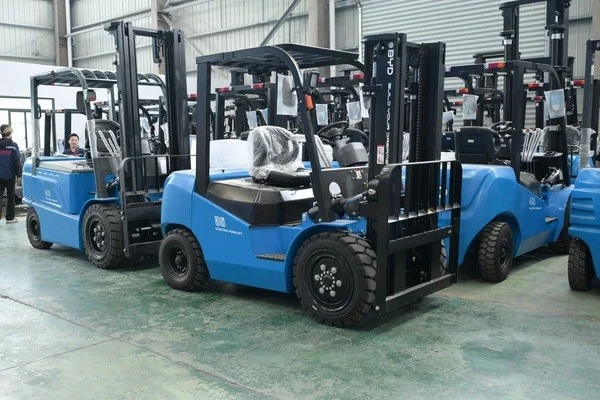
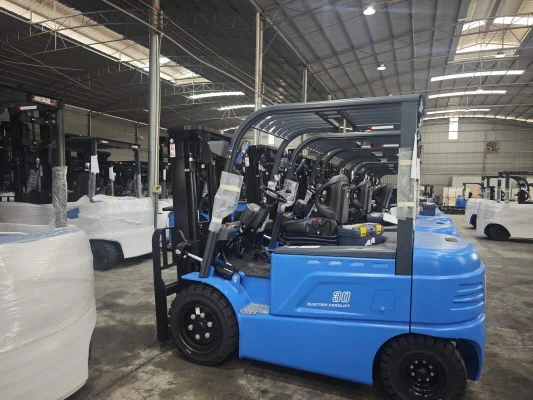
BYD integrates its own lithium iron phosphate (LFP) batteries into its full electric forklift line. LFP chemistry differs from traditional lead-acid and other lithium chemistries in low-temperature response.
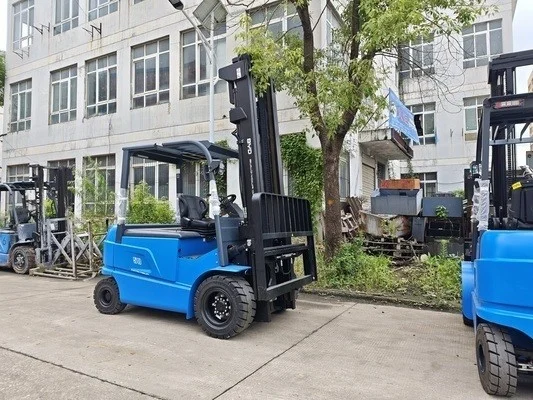
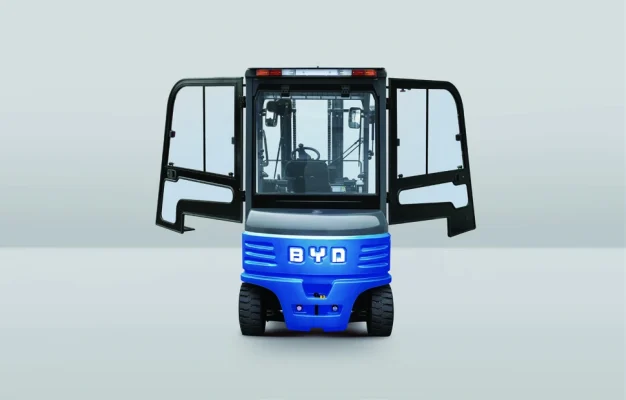
BYD offers optional cold-weather packaging across many forklift models targeted at cold storage use. This packaging includes battery thermal management pre-conditioning, specialized low-viscosity hydraulic fluid, and low-temperature rated seals.
Comparison: BYD LFP Battery vs Traditional Lead-Acid Forklifts in Cold Storage
Lead-acid batteries lose roughly 30-50% of their rated capacity at temperatures below -10°C (14°F). LFP batteries from BYD typically retain more capacity than lead-acid at the same temperature, though capacity loss still occurs. Published data from BYD notes approximately 20-30% capacity reduction at -20°C (-4°F) with standard packaging, and less than 15% reduction with optional cold-temperature thermal management.
Unlike lead-acid batteries, LFP batteries do not require frequent replacement in cold storage operations when properly packaged, reducing long-term maintenance needs.
Build Quality Comparison With Other Electric Forklift Brands
Many competing electric forklift brands offer cold storage options, but BYD’s integrated battery design eliminates extra space needed by separate battery enclosures common in aftermarket conversions. This preserves maneuverability in narrow cold storage aisles, a key benefit toward high-density storage operations.
Documented Limitations of BYD Electric Forklifts in Cold Environments
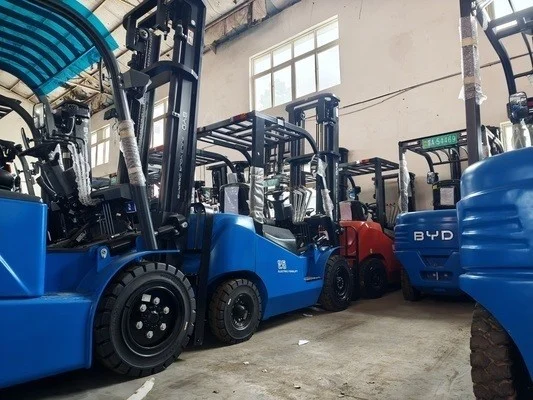
Even with optional cold-weather packaging, BYD electric forklifts have operating limits that operations teams must acknowledge. The manufacturer’s published specifications list a minimum operating temperature of -25°C (-13°F) among cold-climate configured models. Units without cold packaging have a minimum rated operating temperature of -10°C (14°F).
Continuous operation at the lowest rated temperatures requires longer planned recharge breaks, even with thermal management. Operators should include extra battery capacity to cover full shift requirements.
Practical Selection Guidance: Operations Teams
When To Choose a BYD Electric Forklift: Your Cold Storage Operation
- Operations with temperatures above -20°C (-4°F) across most shifts
- Facilities with on-site charging infrastructure equipped with appropriate cold-rated electrical connections
- Teams seeking lower long-term maintenance compared to lead-acid powered forklifts
- Narrow aisle operations that benefit from the compact integrated battery design
When To Consider Alternative Equipment
- Operations with sustained temperatures below -25°C (-13°F) may need specialized cryogenic-rated material handling equipment
- Operations without access to reliable charging infrastructure during shift breaks may need alternate power sources
Frequently Asked Questions
Can I use a standard BYD electric forklift in a cold storage environment?
Standard BYD electric forklifts work in cold storage environments that stay above -10°C (14°F). You should expect moderate capacity reduction in temperatures below 0°C (32°F) even at this range. Sustained operation below -10°C requires optional cold-weather configuration to avoid premature component wear.
How often do I need to replace batteries in BYD electric forklifts used in cold storage?
BYD LFP batteries retain most of their rated capacity after 2,000-4,000 full charge cycles even with cold storage use, when properly configured. This is three to five times longer than the service life of lead-acid batteries in similar cold storage applications.
Does cold storage use void BYD forklift warranty coverage?
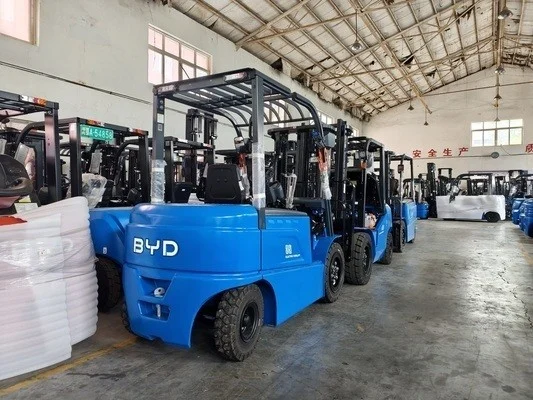
Warranty coverage remains valid only when the unit operates within the manufacturer’s published temperature limits matching its specific configuration. Operation outside rated temperature ranges or use of a non-cold configured unit in sub-zero environments voids warranty coverage related to battery and component damage.
Are BYD electric forklifts cheaper to own than other options serving cold storage?
Total cost of ownership depends on your operation’s specific use case, shift length and energy costs. Most operations see lower long-term costs from reduced battery replacement and maintenance needs, but the upfront purchase cost of a cold-configured BYD unit aligns with other premium electric forklift brands.
Conclusion
BYD electric forklifts deliver solid performance across most cold storage and temperature-controlled industrial environments, especially when equipped with optional cold-weather packaging. Their integrated LFP battery design offers clear advantages over traditional lead-acid powered units in terms of capacity retention and maintenance needs. Operations teams must match unit configuration to the actual operating temperatures of their facility to avoid performance issues or unplanned downtime. Always review official BYD specification documents linked to your target model before finalizing your purchase decision.