How BYD Electric Forklift Addresses Modern Intralogistics Power and Capacity Requirements
News 05/10/2026
Modern intralogistics operations face growing pressure to maintain continuous output, reduce emissions and adapt to increasing load sizes. Many operations look to upgrade older material handling equipment to meet these new demands. BYD electric forklift has gained attention globally as a zero-emission alternative to diesel and older lead-acid electric models. This guide explores how these units align with current power and capacity requirements, includes actionable selection guidance, notes key limitations, and answers common questions from prospective buyers.
Core Design Priorities Aligned With Modern Intralogistics
In-House Lithium Iron Phosphate Battery Technology
BYD’s core advantage in electric material handling comes from its in-house lithium iron phosphate (LFP) battery technology. Unlike older lead-acid batteries, LFP cells deliver stable power output even as state of charge drops. This means operators do not experience reduced lift speed or power late in a shift, a common pain point with older electric designs. LFP batteries also support faster charging, reaching 100% capacity in around 90 minutes most standard models, compared to 8+ hours typical of lead-acid units. They also deliver thousands more charge cycles before capacity drops below 80%, extending usable service life.
Wide Load Capacity Range Across Model Lines
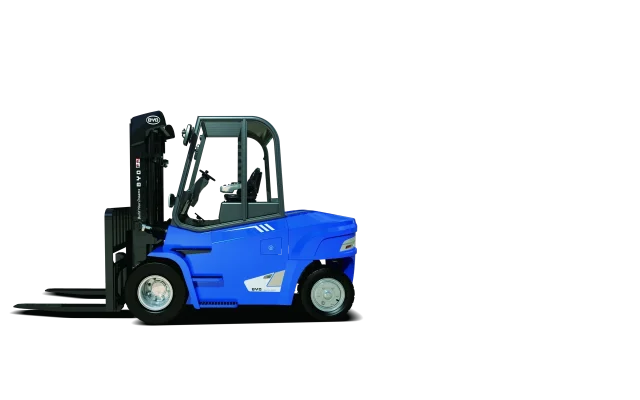
BYD produces electric forklift options covering nearly all common intralogistics use cases. Entry-level pallet jacks and stackers start at 1 ton capacity, suited to small warehouse back-of-house operations. Standard counterbalance models range from 1.5 ton to 5 ton, the most popular size class retail distribution centers and general manufacturing. Heavy-duty units extend up to 12 ton capacity, matching the output most high-demand bulk handling applications. The brand also offers specialized reach truck and narrow aisle models designed to maximize storage density in modern high-bay warehouses.
Key Power Features That Support Continuous Operations
Most modern intralogistics operations run multiple shifts daily, so power consistency and uptime are critical. BYD electric forklift include several design features that support continuous operation. First, regenerative braking systems recover energy generated during deceleration or load lowering, sending that power back to the battery. This can extend total runtime by up to 15% depending on operation patterns, reducing charging frequency.
Second, integrated battery management systems (BMS) continuously monitor individual cell health, temperature and voltage. This prevents overcharging, overheating and deep discharge, all issues that shorten battery life in unmonitored designs. The BMS also provides real-time state of charge data to operators, so they can plan charging breaks during scheduled downtime instead of unexpected stops mid-task. Opportunity charging during breaks or lunch periods works well with LFP batteries, so multi-shift operations do not need extra battery swapping infrastructure.
Application Scenarios and Actionable Selection Guidance
Below are common realistic application scenarios where BYD electric forklift align well with power and capacity needs, plus clear steps select the right model:
Common Application Scenarios
Retail Distribution Centers: Multi-shift operations moving mixed pallet loads between storage and loading docks benefit from 3-5 ton BYD counterbalance models. These units deliver enough power handle full pallet loads through full shifts, produce no on-site emissions, and fit standard aisle widths common modern distribution centers.
Manufacturing Facilities: Plants moving raw materials and finished goods can use 6-8 ton BYD electric units to replace older diesel forklift. This eliminates on-site exhaust emissions that can impact product quality and worker health, while matching required load capacity large bulk loads.
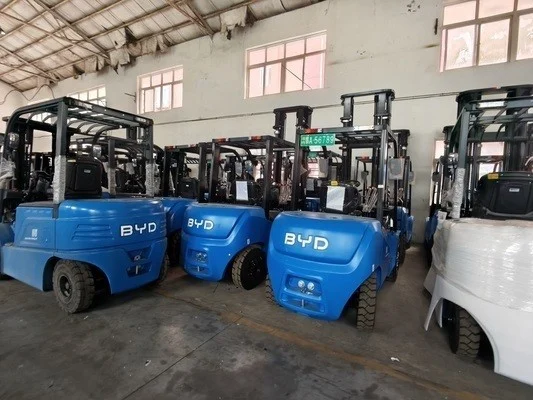
Third-Party Logistics (3PL) Warehouses: 3PL operations with variable demand can mix different capacity BYD models to match different customer needs, leveraging fast opportunity charging adapt to fluctuating throughput.
Selection Steps
- Document your heaviest regular load and maximum required lift height. Select a model with 10% extra capacity beyond your heaviest load to avoid unnecessary strain on power systems and components.
- Calculate your total daily operating hours and map access to charging points. Single shift operations work with standard capacity batteries, while multi-shift operations can leverage opportunity charging during scheduled breaks.
- Measure your facility aisle width and clearance. Narrow aisle operations require reach truck models, not standard counterbalance units.
- Note any extreme environmental conditions, such as constant sub-zero temperatures or unimproved surfaces, and confirm the selected model includes required configuration those environments.
Known Limitations To Consider
BYD electric forklift fit most modern intralogistics needs, but prospective buyers should account for these key limitations:
- Higher upfront purchase cost compared to lead-acid battery electric forklift, though lower long-term maintenance and energy costs typically offset this difference over 3-5 years of service.
- Temperatures below -20 C reduce battery runtime standard models. Operations in unheated cold storage can add specialized cold storage packages from BYD to mitigate this issue.
- Most BYD electric forklift models are designed specifically use on paved indoor or semi-outdoor surfaces. Regular use on uneven unimproved off-road surfaces can shorten tire and suspension service life.
Frequently Asked Questions
What power sources do BYD electric forklift use?
All BYD electric forklift rely on the company’s own lithium iron phosphate (LFP) battery technology, with no internal combustion engine options across core product lines. This battery design delivers longer cycle life and more consistent power output compared to traditional lead-acid batteries.
Can BYD electric forklift replace diesel forklift in high capacity applications?
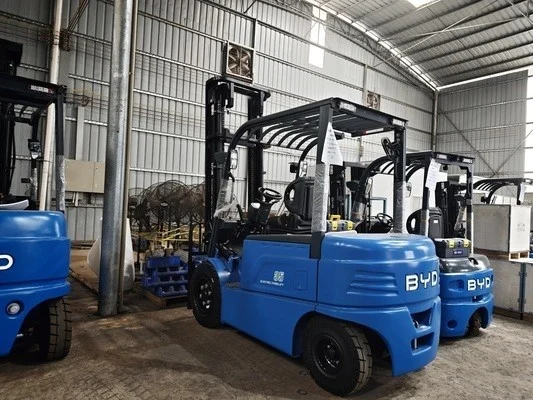
Yes, BYD produces electric forklift models with load capacity reaching 12 ton, which matches the capacity range of most common diesel forklift used in intralogistics and manufacturing. Operations must confirm site access supports required charging infrastructure before full conversion.
How much maintenance do BYD electric forklift need?
BYD electric forklift have lower maintenance needs than diesel or traditional lead-acid battery electric models. No oil changes, filter replacements or water top-offs are required. The on-board battery management system automatically monitors battery health, so most scheduled work centers on regular tire and brake inspections, per manufacturer guidelines.
Are BYD electric forklift suited to cold storage environments?
Standard models experience reduced runtime in sub-zero temperatures. BYD offers specialized cold-storage configured models with insulated battery systems that maintain consistent performance in temperatures as low as -40 C, depending on the specific model.
Conclusion
BYD electric forklift designs address most modern intralogistics needs around power delivery and load capacity, thanks to integrated LFP battery technology and a wide range of model options covering different use cases. Prospective buyers can find a suitable unit most operations by first auditing their site-specific load requirements, shift patterns, environmental conditions and charging infrastructure before making a purchase. This approach ensures the chosen unit delivers consistent performance and meets operational needs long-term.