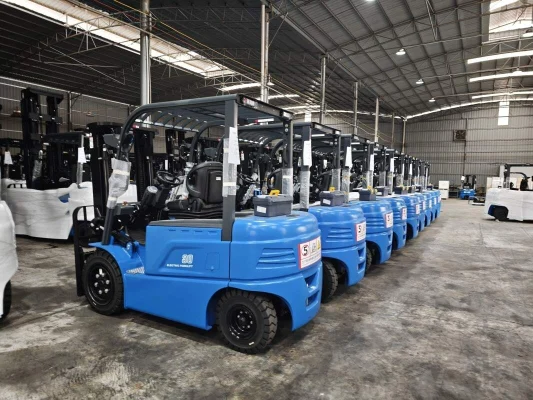
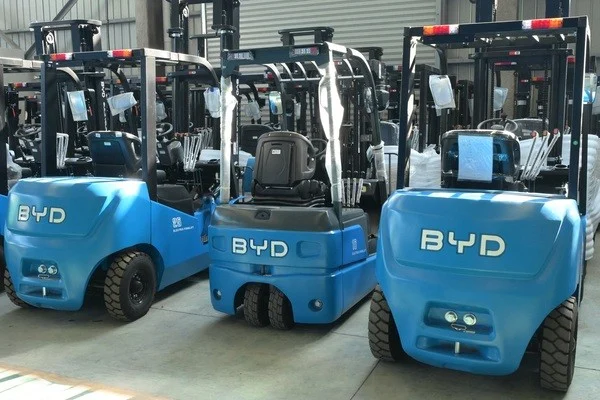
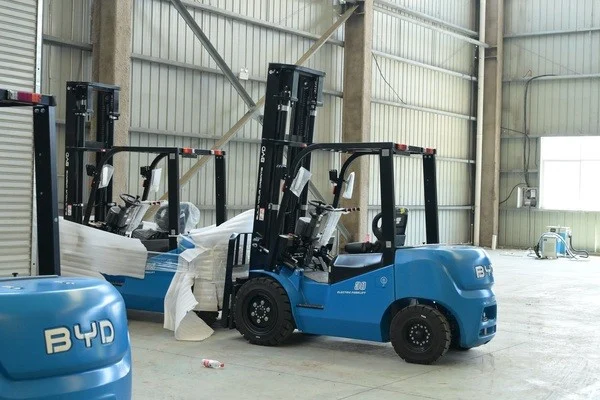
Transitioning From Internal Combustion Forklifts to BYD Electric Forklift: Key Operational and Infrastructure Adjustments
News 19/10/2026
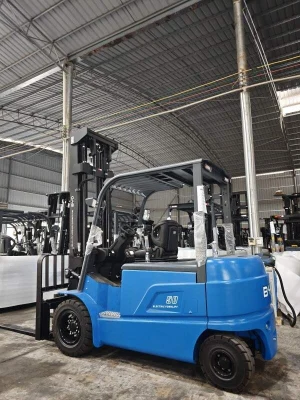
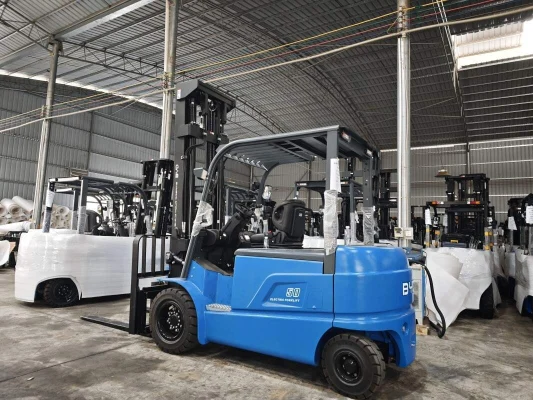
When warehouse operations decide to move from internal combustion forklifts to BYD electric forklift, teams face several critical adjustments that impact long-term operational efficiency and safety. Unlike internal combustion models that rely on liquid fuel, BYD electric forklift runs on built-in battery systems, so changes to infrastructure and daily operations become necessary to unlock full value of your new equipment.
Core Infrastructure Changes Required
The largest infrastructure change centers on charging setup. Your team must first assess existing power grid capacity to handle additional load from regular charging. Most operations choose between three common charging approaches:
- Opportunity charging during break periods, which requires multiple charging stations placed across working areas
- Single-shift full charging, which uses one central charging location for all units
- Battery swapping, which requires dedicated storage space for spare fully charged batteries
Each approach demands different space and power requirements. Central charging locations need clear fire safety separation from working and storage areas. You must also confirm local electrical code requirements covering commercial vehicle charging installations before beginning any construction work.
Additional infrastructure changes include updates to floor loading capacity if you add heavy battery swapping stations, and ventilation adjustments if you operate in fully enclosed spaces. Unlike internal combustion models, BYD electric forklift produces no exhaust, so ventilation needs drop significantly in most cases.
Key Operational Process Adjustments
Daily operational processes need updates to align with electric forklift capabilities. The most impactful change involves work scheduling around charging needs. Teams must build charging time into daily shift rotations to avoid unexpected downtime mid-operation.
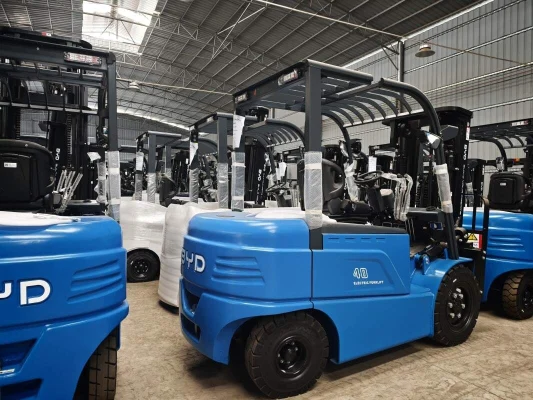
Maintenance routines also differ from internal combustion models. Electric forklift has far fewer moving parts than internal combustion units, so routine maintenance frequency drops. Most maintenance work centers on battery health checks, brake inspections and tire rotation, instead of oil changes, filter replacements and engine tune-ups.
Operator training is another critical adjustment. Even experienced internal combustion forklift operators need training covering specific features of BYD electric models, including regenerative braking, battery level monitoring and emergency shutdown procedures for charging systems. Regenerative braking changes how operators handle downhill load movement, so supervised practice helps prevent operational errors.
Verification Checklist Warehouse Operations
Before finalizing your order and installation, use the table below to confirm all critical details match your warehouse-specific needs. No generic values apply across all operations, so always confirm each item directly with your BYD supplier:
| Parameter/Configuration | Why Warehouses Care | Verification Steps | Configuration Notes |
|---|---|---|---|
| Charging system compatibility | Mismatched systems cause downtime and safety hazards | Confirm voltage requirements match your site’s existing power grid capacity | On-board chargers count as optional upgrades on some models, confirm with supplier before purchase |
| Battery operating temperature range | Temperature swings impact battery output and service life | Compare manufacturer rated range against your warehouse’s typical indoor annual temperature extremes | Extreme temperature operation needs custom battery management system, not included with base models |
| Turning radius and aisle clearance | Modern warehouses often use narrow aisle layouts to maximize storage space | Measure your narrowest working aisle, compare against manufacturer published turning radius | Counterbalance and stand-up models have different dimension requirements, match selection to your layout |
| Remaining load capacity with attachments | Most warehouses use custom attachments matching specific cargo types, which reduce available load capacity | Request written manufacturer calculation of remaining capacity with your planned attachment | Never rely on base model load ratings when you add custom attachments |
| Charging station safety clearance | Improper clearance increases fire risk near charging equipment | Compare required clearance against your available space, confirm alignment with local electrical codes | Clearance requirements vary based on battery size and charging speed, confirm with your supplier |
After installation, complete a full-day test run with your typical cargo and operating conditions to identify any unforeseen issues before full-scale deployment.
Frequently Asked Questions
Can I reuse existing internal combustion forklift storage space?
Most BYD electric forklift models share similar overall dimensions with comparable internal combustion units, so existing storage space often works. You must allocate separate cleared space around charging stations to meet safety requirements, no flammable materials can stay within that zone. Confirm required clearance distances with your local code official and BYD supplier.
Do all BYD electric forklift models work with high rack storage?
Not all base models support maximum lift heights modern high rack systems need. Lift height directly impacts available load capacity. You must share your exact maximum lift height and target load with your supplier before placing an order, to confirm the model you select meets your operational needs.
How often should I schedule battery health checks?
Check frequency depends on your daily operation intensity and operating environment. Follow the manufacturer recommended schedule included with your delivered unit. Different battery chemistries used in BYD models have different maintenance needs, confirm these details when you take delivery.
Is outdoor operation possible with BYD electric forklift?
Some models offer sealed components suitable for occasional outdoor use, but not all models support constant exposure to rain or extreme temperature swings. Share your expected ratio of indoor to outdoor operation with your supplier to confirm the selected model meets your needs.
Before you begin your transition, compile all your warehouse-specific operational data including daily shift length, typical maximum load, aisle dimensions, existing power capacity and any special environment requirements. Sharing this full set of information with your supplier helps you get accurate recommendations and avoid costly post-purchase adjustments.