Assessing Electric Forklift Truck Suitability Across Varied Industrial Warehouse And Manufacturing Settings
News 04/10/2026
Many operations leaders evaluate material handling equipment options when upgrading or expanding warehouse and manufacturing fleets. Electric forklift trucks grow in popularity each year, but their performance varies dramatically based on setting and use case. This assessment breaks down key factors that determine fit across common industrial environments, helps teams identify right applications, and outlines clear limitations that impact long-term value.
Core Suitability Factors Across Common Settings
Enclosed Climate-Controlled General Warehouses
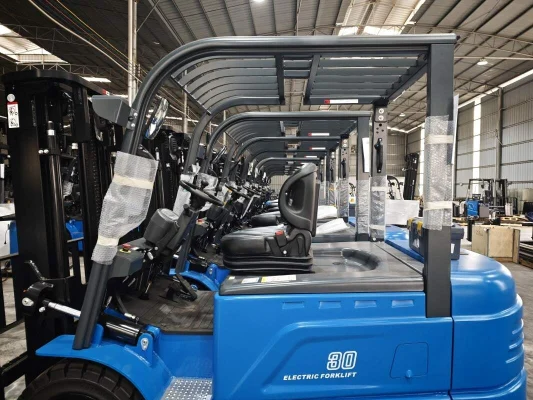
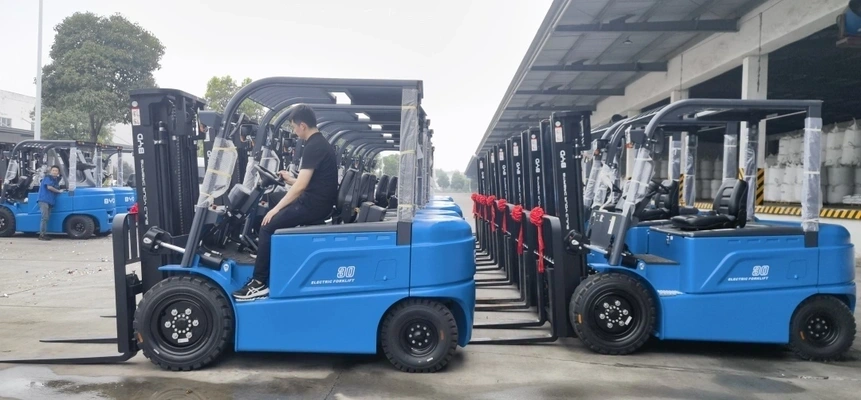
Electric forklift trucks excel in this setting. No internal combustion emissions mean cleaner air around workers, lower noise levels, and consistent performance in narrow aisles common to modern storage facilities. Most standard warehouse operations fit within the lift capacity ranges of most electric models, and indoor temperature ranges support optimal battery performance. Teams with high order picking throughput often see improved operator comfort compared to diesel or propane alternatives.
Open Outdoor Storage Yards Adjacent To Facilities
Electric forklift suitability here depends on model design. Standard sit-down counterbalance electric models work well with occasional outdoor use in dry, mild weather, but lack sealed components needed for constant exposure to rain, snow, or muddy terrain. Rough-terrain electric models exist, but higher purchase prices make them less common than diesel alternatives in this use case. Operations that move loads between outdoor storage and indoor production can use sealed electric models to eliminate cross-contamination from exhaust fumes.
Heavy Manufacturing Production Floors
Fit depends on load size and operational intensity. Light to medium assembly lines with loads under 5,000 pounds work well with electric models. Emission-free operation aligns with workplace safety requirements near finished goods and assembly workers. Heavy manufacturing processes involving loads over 10,000 pounds or multiple continuous shifts can challenge standard electric battery life. High-capacity electric models exist, but require additional charging infrastructure to support round-the-clock operation.
Cold Storage Facilities
Specialized electric forklift trucks designed specifically for cold environments work well here. Standard electric batteries lose capacity quickly in sub-zero temperatures, so cold-rated models use insulated battery compartments and temperature-resistant chemistry to maintain consistent performance. Unlike internal combustion models, electric units do not generate condensation that can damage frozen food products or packaging, making them a preferred option within this setting.
Actionable Selection Criteria
Lift Capacity And Lift Height Requirements
Match maximum expected load weight to the forklift rated capacity. Electric models offer capacity ranges from 3,000 pounds up to 20,000+ pounds, so most standard industrial needs get covered. Tall narrow aisle warehouses require electric models with mast designs optimized for high lift, which electric units often handle more smoothly than internal combustion alternatives due to lower center of gravity in many designs.
Existing Facility Infrastructure
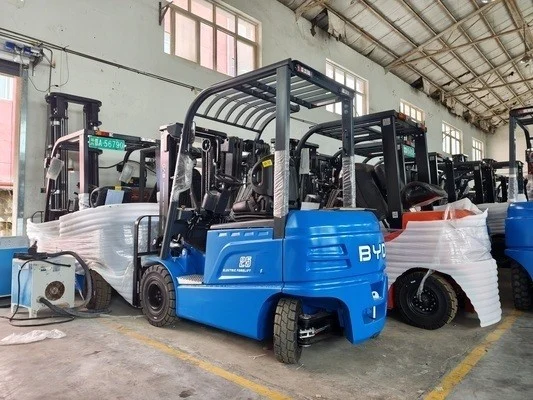
Electric forklift trucks require dedicated charging space and adequate electrical supply to support battery charging. Operations without available space for on-site charging stations or facilities with outdated electrical systems face higher upfront upgrade costs before integrating electric fleets. Facilities with weight limits on warehouse floors also need to account for heavier battery packs common in large electric models.
Operational Intensity
Single-shift operations typically fit one battery charge per shift, so no additional battery or charging equipment needs beyond one charger per unit. Multi-shift operations require either extra battery packs for swap-outs or fast charging infrastructure to maintain operation throughout all work periods. Planned maintenance schedules for electric units are less frequent than internal combustion models, but require trained technicians familiar with high-voltage battery systems.
Known Limitations To Evaluate
Upfront purchase costs for electric forklift trucks run 20% to 40% higher than comparable internal combustion models, before accounting for charging infrastructure upgrades. Battery replacement represents a large long-term cost, typically required after 5 to 10 years of regular use. Performance drops in extreme temperatures outside the 32°F to 100°F range without specialized equipment. Standard electric models also cannot operate safely in wet or corrosive environments without sealed enclosures and corrosion-resistant components.
Frequently Asked Questions
Are electric forklift trucks safe indoor manufacturing environments?
Yes. Unlike internal combustion models, electric units produce no exhaust emissions, so they do not contribute to poor indoor air quality near workers and production lines. They also operate at much lower noise levels, reducing workplace noise exposure risks. Only high-voltage battery systems require special handling during maintenance to avoid safety hazards.
Can electric forklift trucks work in cold storage environments?
Standard electric models lose significant battery capacity in sub-zero temperatures, so they do not perform well long-term in cold storage. Specialized cold-rated electric models include insulated battery compartments and temperature-resistant components that support consistent operation in temperatures as low as -20°F.
What infrastructure upgrades do facilities need to accommodate electric forklift fleets?
Core upgrades include dedicated charging station installation, increased electrical service capacity from local utility providers, and dedicated storage space for spare batteries if operations run multiple shifts. Facilities with low floor load capacity may also need structural reinforcement to support heavier electric forklift weight in high-traffic areas.
How do long-term operating costs compare between electric and internal combustion forklifts?
Electric models have lower per-operation energy costs and less frequent maintenance needs, so total operating costs over the equipment lifespan often end lower than internal combustion alternatives. Higher upfront purchase and infrastructure costs change the break-even timeline, which varies based on operational intensity and local energy prices.
Electric forklift trucks deliver strong value across most indoor and light-duty industrial settings, but require careful evaluation of infrastructure, operational intensity, and environmental conditions before purchase. Teams that align model selection with their specific facility characteristics get consistent performance and lower long-term operating costs when compared to inappropriate alternatives.