Evaluating Ramp Gradients: How Gradeability Ratings Shape Four-Wheel Counterbalance Electric Forklift Truck Selection
News 21/10/2026
What Is Gradeability In An Electric Forklift Truck
Gradeability describes the maximum ramp slope a four-wheel counterbalance electric forklift can climb while carrying its rated load. This rating directly impacts safe operation across facilities with multiple levels, sloped loading docks, or outdoor access ramps. Every electric forklift truck carries a published gradeability rating, which varies based on unit design, total weight, load capacity and power source.
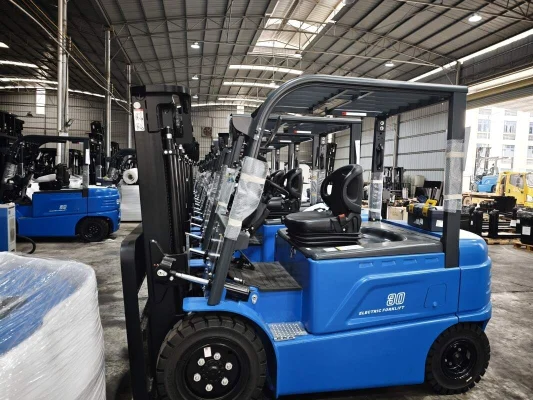
Four-wheel counterbalance electric forklifts rely on rear counterweight to offset front loads. This core design creates consistent weight distribution that supports stable ramp travel. BYD lithium battery models maintain even weight distribution across the chassis, which supports consistent performance on ramps.
Key Site Factors That Impact Ramp Performance
Before you review forklift gradeability ratings, measure and document these core site characteristics to match proper capabilities:
Actual Ramp Slope
Calculate your ramp slope as percentage: divide total rise by total run, multiply by 100. Generic estimates often lead to mismatched units, always take direct measurements of your steepest ramp used during daily operation.
Ramp Surface Condition
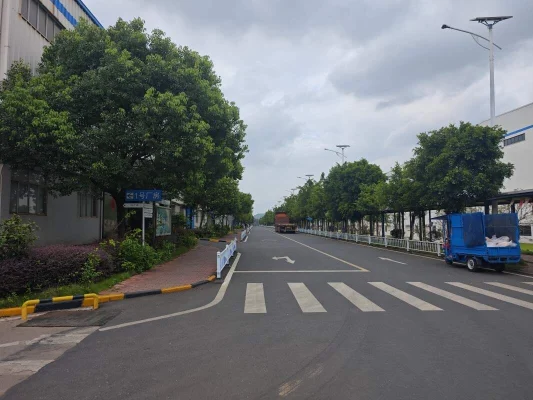
Paved concrete ramps deliver consistent traction, while gravel, wet or uneven surfaces reduce grip. Your surface condition determines how much of the forklift’s published gradeability you can actually use safely.
Travel Frequency
If your operation requires hourly loaded travel across ramps, you need a unit that maintains consistent power output during repeated climbs. Occasional cross-ramp travel needs less strict gradeability matching.
How Gradeability Ratings Align With Your Operational Needs
When you evaluate published gradeability ratings, always confirm the rating applies under full load. Many listings share unloaded gradeability, which does not reflect real-world working conditions with maximum cargo.
Four-wheel counterbalance electric forklift ratings follow these general guidelines:
- 5-8% slope: most standard load capacity units handle this range easily with full loads
- 10-15% slope: requires proper weight distribution and sufficient power output, confirm rating before purchase
- Over 15% slope: specialized needs, most general purpose units do not offer safe operation at this steepness with full loads
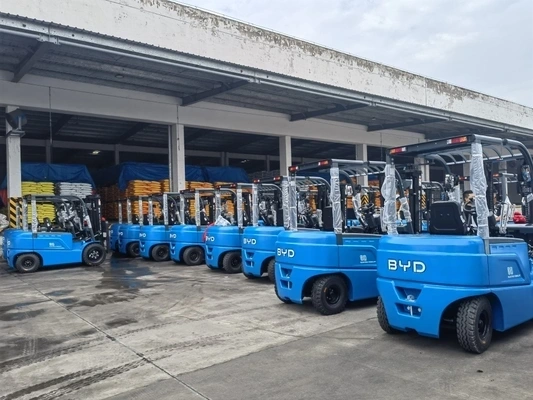
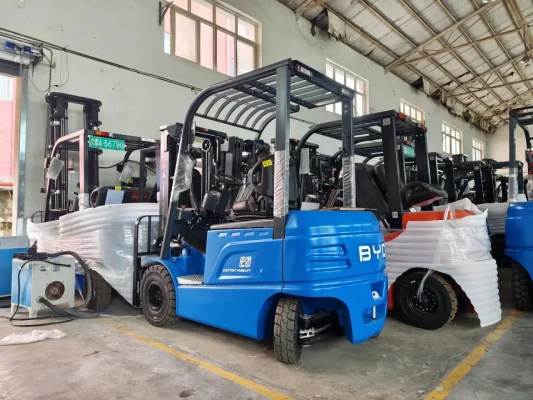
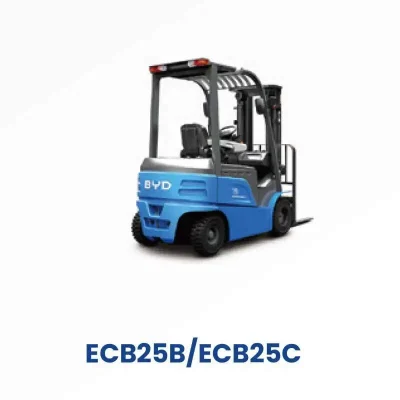
BYD four-wheel counterbalance electric forklifts, including lithium battery models, offer gradeability ratings that fit most general material handling applications. If you share your site ramp measurements and load requirements, our team can help you select proper configuration matching your needs.
Common Selection Mistakes To Avoid
Many buyers overlook critical details when matching gradeability to their needs. Avoid these frequent errors:
- Confusing loaded and unloaded ratings: unloaded gradeability is almost always higher than loaded ratings, so relying on this number leads to unsafe underpowered operation
- Underestimating turning clearance: steeper ramps require extra space at the top and bottom for safe turning, this impacts site layout even if the forklift can climb the slope
- Over-specifying beyond actual needs: units built for extreme steep slopes carry higher upfront costs, so you only need ratings that match your site’s maximum slope
- Ignoring traction requirements: wet or outdoor ramps need proper tires to maintain grip, even if the gradeability rating matches your slope
Double-check your site measurements and rating conditions before you finalize your selection. This simple step prevents costly adjustments after delivery.
Frequently Asked Questions
Does tire type change an electric forklift’s effective gradeability?
Tire type directly impacts traction on ramps. Solid pneumatic tires deliver better grip on wet, loose or outdoor surfaces, which supports consistent gradeability. Smooth cushion tires work well on flat, paved indoor ramps, but can slip on steeper slopes.
Do lithium battery models offer better gradeability than lead acid alternatives?
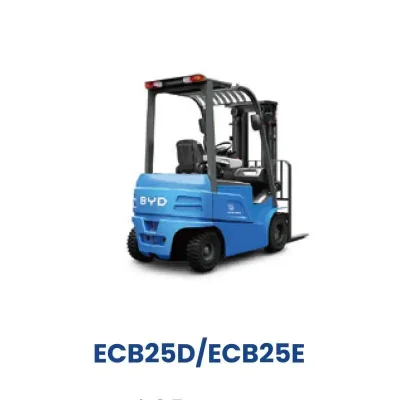
Lithium battery four-wheel counterbalance electric forklifts feature even weight distribution across the chassis, which improves stability on ramps. Actual gradeability depends on total vehicle weight and rated load capacity, not just battery type. Always check published ratings for your selected model.
What happens if I select an electric forklift with insufficient gradeability?
Insufficient gradeability leads to slow climbing, stalled movement, or loss of traction on ramps. This creates safety risks and reduces operational efficiency. In worst cases, the unit cannot climb the ramp with full load, rendering it useless for parts of your facility.
Selecting an electric forklift with correct gradeability rating ensures safe, efficient operation across your entire facility. Always measure your site ramps first, then match your requirements to available unit ratings.